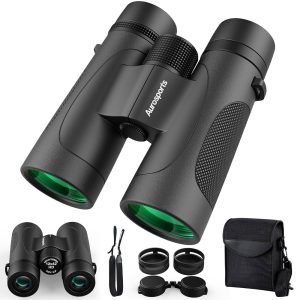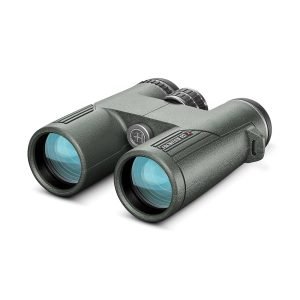
Are you wondering if your birding binoculars can handle a sudden rain shower or a splash from a nearby pond? When you’re out in nature, unexpected weather or moisture can easily catch you off guard.
Knowing whether your binoculars are waterproof could save you from damaging your valuable gear and missing out on spotting that rare bird. You’ll discover what makes binoculars waterproof, how to check if yours are, and why this feature matters for every birdwatcher.
Keep reading to protect your investment and enjoy your birding adventures worry-free.
Importance Of Waterproof Binoculars
Waterproof binoculars protect against rain, fog, and splashes. They keep the lenses clear for sharp views. This is key for bird watchers who spend time outside. Moisture can damage binoculars and blur vision. Waterproof models use seals and special coatings to stop water inside. They also resist dust and dirt, making them last longer. These binoculars are useful near lakes, rivers, or in wet weather. They help you enjoy birding without worry about weather conditions. Plus, many waterproof binoculars are fog proof. This means no mist inside, even with quick temperature changes. Choosing waterproof binoculars means more fun and less damage risk.

Credit: www.amazon.com
Waterproof Vs. Water-resistant
Waterproofbinoculars keep water out completely. They can be submerged without damage. Water-resistantbinoculars block light rain or splashes but not full water exposure. Both types protect lenses and internal parts from moisture.
| Feature | Waterproof | Water-Resistant |
|---|---|---|
| Protection Level | Full water protection, can be submerged | Resists rain and splashes only |
| Use | Best for wet or rainy environments | Good for light rain and dew |
| Price | Usually higher cost | Generally less expensive |
- Waterproofbinoculars offer peace of mind in storms.
- Water-resistantmodels are lighter and still protect in mild wetness.
Technology Behind Waterproof Binoculars
Waterproof binoculars use special sealsto keep water out. These seals are often made of rubber or silicone. They fit tightly around the binocular’s parts. This blocks moisture and dust from entering. The sealing process uses O-ringsplaced in small grooves. They stop water from leaking inside even under pressure.
The materials used in waterproof binoculars are chosen for durability and water resistance. The outer body is often made from rubber-coated metal or plastic. This adds grip and protects against bumps. Inside, lenses have special coatings that repel water and reduce fogging. Nitrogen or argon gas fills the binoculars to stop internal fogging and moisture.

Credit: www.amazon.com
Benefits Of Waterproof Binoculars For Birding
Waterproof binocularslet birders enjoy their hobby in all weather. They work well in rain, fog, and snow. This means you can keep watching birds without worry.
These binoculars are built to resist water and moisture. This keeps the lenses clear and the view sharp. No blurry images from raindrops or fog.
Durabilityis another big plus. Waterproof models often have strong, sealed bodies. They protect against dust, dirt, and bumps. Perfect for rough outdoor use.
- Great for wet or humid places
- Protects against accidental drops and scratches
- Helps binoculars last longer
- Keeps internal parts safe from water damage
Popular Waterproof Binocular Brands
Many popular birding binocular brands offer waterproof models for outdoor use. These binoculars protect against rain and moisture, ensuring clear views. Waterproof features help bird watchers enjoy nature without worry.
Top Features
- Waterproof and fog-prooffor use in rainy or wet places.
- Rubber coatingfor better grip and shock resistance.
- Lightweight design for easy carrying during bird watching.
- Wide field of view to spot birds quickly and clearly.
- Good lens quality for bright and sharp images.
- Durable build to last through rough outdoor use.
User Reviews
Many users say these binoculars work great in wet weather. They are easy to hold and focus. The image stays clear even in fog or rain. Some mention the rubber grip helps them not drop the binoculars. A few users note they feel strong and do not break easily. Most people find them good for bird watching and hiking. The waterproof feature gives peace of mind outdoors. Users recommend these brands for beginners and experts alike.
Choosing The Right Waterproof Binoculars
Choosing waterproof binocularshelps protect against rain and moisture. Birdwatchers often face wet weather or damp areas. A good pair should have a rating like IPX7or be nitrogen-purgedto prevent fog inside.
Consider the weight and size for easy carrying during long walks. Look for rubber coatingthat provides a strong grip and extra protection.
| Price Range | Performance | Best For |
|---|---|---|
| Under $100 | Basic waterproofing, lower clarity | Casual birdwatchers, beginners |
| $100 – $300 | Good waterproofing, clearer views | Regular birdwatchers |
| Above $300 | Excellent waterproofing, sharp images | Serious birdwatchers, professionals |
Maintenance Tips For Waterproof Binoculars
Use a soft cloth or lens brush to clean binocular lenses. Avoid using rough materials that can scratch the glass. Gently wipe in a circular motion to remove dust and smudges.
Do not use household cleaners or solvents on lenses. Use only cleaning solutions made for optics. Keep the binoculars dry after cleaning to maintain the waterproof seals.
- Store binoculars in a dry, cool place away from direct sunlight.
- Keep them in a protective case to prevent dust and damage.
- Avoid leaving binoculars in damp or humid areas for long times.
- Check seals regularly to ensure they are intact and working well.

Credit: www.amazon.com
Frequently Asked Questions
Are All Birding Binoculars Waterproof?
Not all birding binoculars are waterproof. Many models offer waterproofing, but it depends on the brand and price. Always check the specifications before purchasing to ensure they meet your needs for wet conditions.
How Does Waterproofing Protect Birding Binoculars?
Waterproofing seals the binoculars, preventing moisture and water from entering. This protects internal lenses and mechanics, ensuring clear vision and longevity. It’s essential for outdoor use in rain or humid environments.
Can Waterproof Binoculars Fog Up Inside?
Waterproof binoculars are often nitrogen or argon purged to prevent internal fogging. This gas replacement stops moisture buildup inside the lenses during temperature changes, maintaining clear views in various weather.
Are Waterproof Binoculars More Expensive?
Waterproof binoculars usually cost more due to added sealing and purging processes. These features increase durability and performance, making them a worthwhile investment for serious birders and outdoor enthusiasts.
Conclusion
Birding binoculars often come with waterproof features. These protect the lenses and internal parts from water damage. This makes them reliable in rain, fog, or wet conditions. Choosing waterproof binoculars helps you enjoy bird watching without worry. Always check the product details before buying.
Remember, durability matters for outdoor use. Waterproof binoculars offer peace of mind during your adventures. So, consider this feature to get the best experience. Safe, clear views matter most for bird lovers.