When you’re choosing binoculars, brightness is one of the first things you want to know about. You might have heard about roof prism and Porro prism binoculars, but which one actually gives you a clearer, brighter view?
If you’ve ever struggled to decide between the two, this article is made for you. By the end, you’ll understand how each type works and which one can bring your outdoor adventures to life with sharper, more vibrant images. Keep reading to make sure your next binoculars choice is a bright one.

Credit: zarimex.eu
Roof Prism Vs Porro Prism
Binoculars use prisms to flip the image right side up. Two main types are roof prisms and Porro prisms. Many wonder if roof prism binoculars are brighter than Porro prism ones.
This article compares roof prism and Porro prism binoculars. It focuses on their design and how they affect light and image quality.
Basic Design Differences
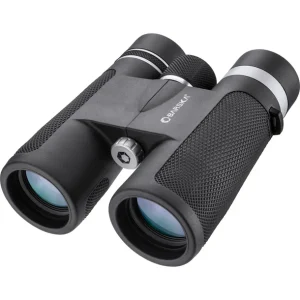
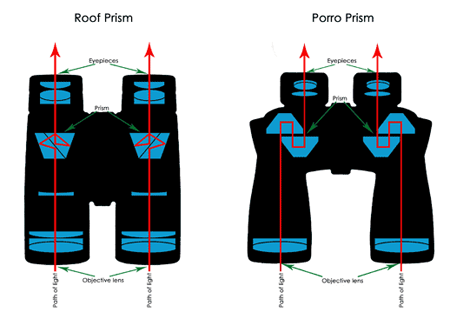
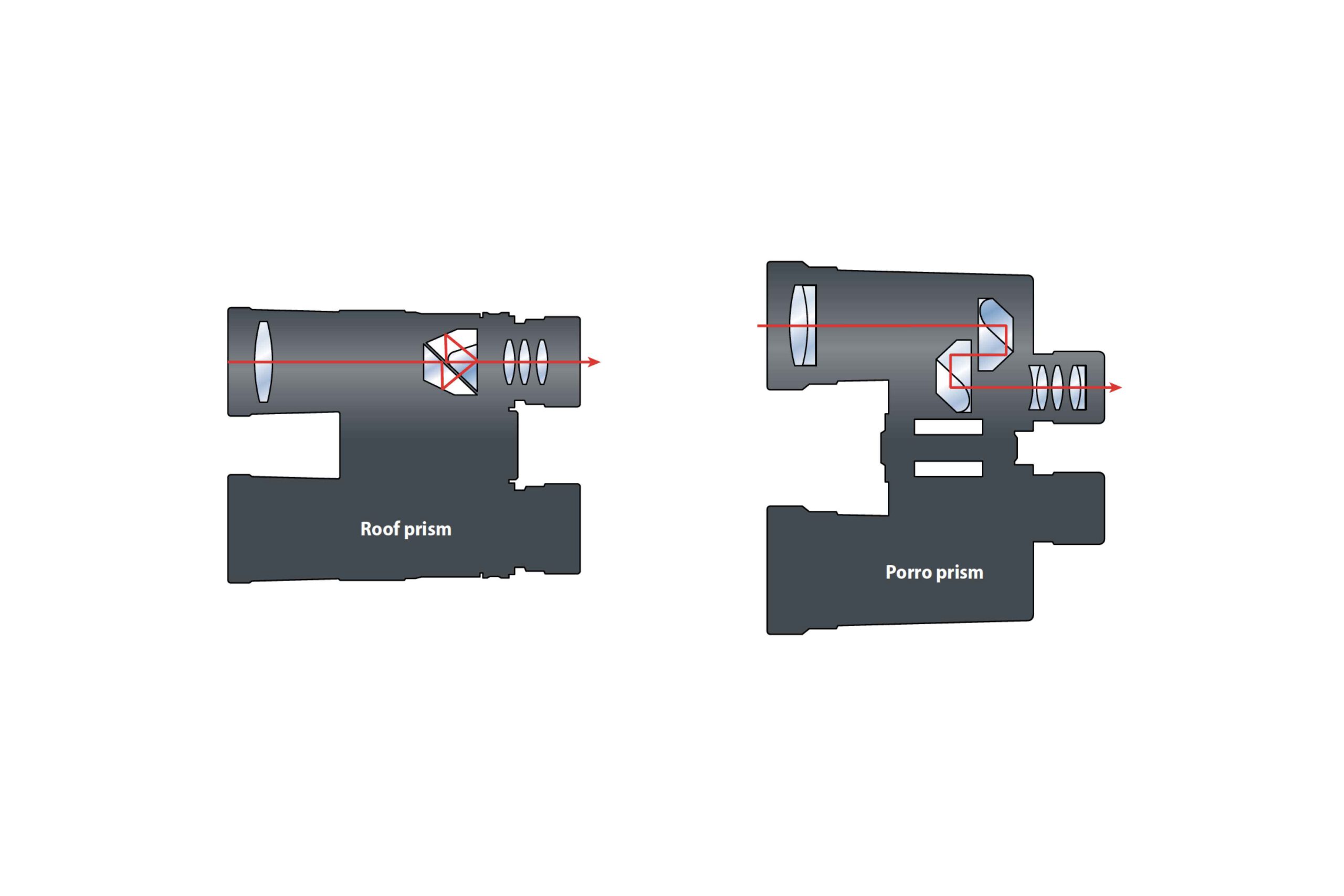
Roof prism binoculars have straight barrels. The prisms are aligned in a straight line inside. This makes roof prism binoculars compact and slim.
Porro prism binoculars have offset barrels. The prisms are arranged in a zigzag shape. This design makes the binoculars wider but often bulkier.
- Roof prism: straight, slim design
- Porro prism: angled, wider design
- Roof prism binoculars are easier to hold steady
- Porro prism binoculars often feel heavier
Light Path And Image Quality
Roof prisms have a shorter light path inside. This can cause a slight loss of light. Roof prism binoculars often need special coatings to improve brightness.
Porro prisms have a longer light path. This allows more light to pass through. Porro prism binoculars usually give brighter and sharper images without extra coatings.
- Roof prism: shorter light path, may lose some brightness
- Porro prism: longer light path, often brighter images
- Coatings on roof prisms improve image brightness
- Porro prisms often show better depth and 3D effect
Brightness Factors In Binoculars
Brightness in binoculars depends on several factors. These factors affect how clear and bright the image looks.
Roof prism and Porro prism binoculars can differ in brightness. Understanding what causes these differences helps in choosing the right binoculars.
Lens Coatings And Their Role
Lens coatings reduce light loss inside binoculars. They help increase the amount of light reaching your eyes.
Good coatings make images brighter and clearer. Poor coatings let more light escape, making images darker.
- Fully multi-coated lenses offer the best brightness.
- Single-coated lenses let less light pass through.
- Roof prism binoculars need special coatings to reduce light loss.
Objective Lens Size Impact
The objective lens size affects brightness directly. Larger lenses collect more light for a brighter image.
Roof prism and Porro prism binoculars can have similar lens sizes. This means size alone does not decide which is brighter.
- Large lenses are better in low light.
- Small lenses are lighter but less bright.
- Choose lens size based on your use and comfort.
Exit Pupil And Its Importance
The exit pupil is the light beam size that reaches your eye. It is the objective lens diameter divided by magnification.
Bigger exit pupils give brighter images, especially in the dark. Both roof and Porro prism binoculars can have similar exit pupil sizes.
- Exit pupil size affects brightness and eye comfort.
- A 5mm exit pupil works well for night use.
- Smaller exit pupils are fine in bright daylight.
Performance In Low Light
Binoculars often face challenges in low light. Bright images are key for clear views at dawn, dusk, or in shaded areas.
This article compares roof prism and porro prism binoculars and their ability to perform in dim conditions.
How Roof Prisms Handle Dim Conditions
Roof prism binoculars have a straight design that makes them compact and easy to handle. Their light path is tight, which can reduce light transmission. This sometimes causes images to appear less bright in low light.
- Roof prisms need special coatings to improve brightness.
- High-quality roof prisms have phase correction coatings that increase image clarity.
- They often use dielectric coatings to reflect more light inside the prism.
- Without these coatings, roof prisms can lose more light than porro prisms.
Porro Prisms And Night Vision
Porro prism binoculars have a zigzag shape that allows more light to reach your eyes. This usually makes images brighter in low light compared to roof prisms.
| Feature | Porro Prism | Roof Prism |
| Light Transmission | Usually higher | Depends on coatings |
| Brightness in Dim Light | Brighter images | Less bright without coatings |
| Design | Bulkier | Compact |
| Cost | Often less expensive | Can be pricier due to coatings |
Durability And Build Quality
Choosing binoculars involves looking at how strong and well-made they are. Roof prism and Porro prism designs differ in structure and toughness.
Durability affects how long the binoculars last and how well they handle rough use outside.
Waterproofing And Fog Resistance
Both roof prism and Porro prism binoculars can offer good waterproofing. Most models use seals and special coatings to keep moisture out.
- Waterproof seals protect internal lenses from rain and splashes.
- Fog resistance prevents lenses from misting inside during temperature changes.
- Roof prism binoculars often have a tighter, more compact design that helps with sealing.
- Porro prism models usually have larger housings that may need extra sealing care.
Weight And Portability Considerations
| Binocular Type | Average Weight | Portability |
| Roof Prism | 400-700 grams | Compact and easy to carry |
| Porro Prism | 600-900 grams | Bulkier and less portable |
Roof prism binoculars usually weigh less and fit better in small bags. Porro prism binoculars are heavier but can offer a wider field of view.
Cost And Value Comparison
Choosing between roof prism and porro prism binoculars often depends on cost and value. Both types offer different features at various price points.
This section explores price ranges and what you get for your money with each type.
Price Ranges For Roof Vs Porro
Roof prism binoculars usually cost more than porro prism models. This is due to their compact design and complex build. Porro prism binoculars are often more affordable, especially at entry-level prices.
- Roof prism binoculars start around $100 and can go up to $2000 or more.
- Porro prism binoculars range from $50 to about $500.
- Mid-range roof prisms typically cost between $300 and $800.
- Mid-range porro prisms generally fall between $100 and $300.
What You Get For The Price
| Feature | Roof Prism Binoculars | Porro Prism Binoculars |
| Build Quality | Compact, durable, often waterproof | Bulkier, less compact, may lack full waterproofing |
| Optical Performance | Sharp image, good brightness with coatings | Bright image, good field of view, often better at low cost |
| Weight | Lighter, easier to carry | Heavier and larger |
| Maintenance | More complex, may require professional servicing | Simple design, easier to maintain |
| Price | Higher price due to design and features | Lower price, good value for beginners |
Credit: www.astronomy.com
Expert Tips For Choosing Binoculars
Choosing the right binoculars can improve your viewing experience. Understanding different prism types helps in making a smart choice.
We focus on whether roof prism binoculars are brighter than porro prism ones. Also, tips on matching binoculars to your needs and testing brightness.
Matching Binoculars To Your Needs
Pick binoculars based on your activities like birdwatching, hiking, or stargazing. Size, weight, and brightness matter.
- Choose compact binoculars for travel and hiking.
- Use larger lenses for better light in low light conditions.
- Consider the field of view for scanning wide areas.
- Check the prism type: roof prisms are compact but may cost more.
- Porro prisms offer good brightness and depth perception at lower cost.
Testing Brightness Before Purchase
Brightness depends on lens size and prism quality. Test binoculars in different light conditions.
| Factor | Effect on Brightness |
| Objective Lens Diameter | Larger lenses gather more light |
| Prism Type | Porro prisms often give brighter images |
| Lens Coatings | Reduce glare and increase light transmission |
| Exit Pupil Size | Shows how much light reaches your eye |

Credit: wildonline.blog
Frequently Asked Questions
Are Roof Prism Binoculars Brighter Than Porro Prism?
Roof prism binoculars are generally less bright than Porro prism models. Porro prisms offer better light transmission, resulting in brighter images. Roof prisms are more compact but often sacrifice some brightness for size and durability.
What Affects Brightness In Roof Vs Porro Prism Binoculars?
Brightness depends on prism type, lens coatings, and objective lens size. Porro prisms usually have better light transmission due to simpler design. High-quality coatings on roof prisms can improve brightness but rarely match Porro prisms.
Which Prism Type Offers Better Image Quality Overall?
Porro prism binoculars typically provide better image brightness and depth perception. Roof prisms are more compact and durable but may have slightly lower image quality. Your choice depends on preference between size and optical performance.
Do Roof Prism Binoculars Offer Better Durability Than Porro?
Yes, roof prism binoculars are more durable and waterproof. Their straight barrel design makes them more rugged and easier to handle. Porro prisms are bulkier and more prone to misalignment from impacts.
Conclusion
Deciding between roof and Porro prism binoculars depends on your needs. Roof prisms offer a sleek design and are often more compact. Porro prisms generally provide better depth and wider field of view. Light transmission might be better in Porro prisms due to fewer internal reflections.
Consider your usage and preferences. Both types offer their unique strengths. Your choice impacts your viewing experience. Keep your budget and purpose in mind. Whether birdwatching or stargazing, choose what’s best for you. Make an informed decision for brighter views.
Enjoy exploring the world through your binoculars.