Have you ever been out hiking, only to find your binoculars fogged up and useless just when you need them most? Condensation inside your hiking binoculars can ruin your view and spoil your outdoor experience.
But don’t worry—avoiding this frustrating problem is easier than you think. You’ll discover simple, practical tips to keep your binoculars clear and ready, no matter the weather. Keep reading to learn how you can protect your gear and enjoy every moment of your adventure with crystal-clear vision.
Choosing The Right Binoculars
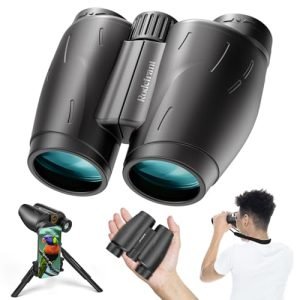
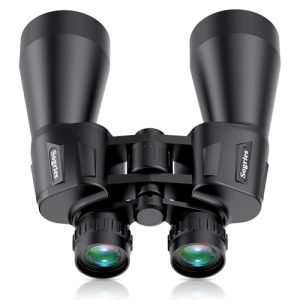
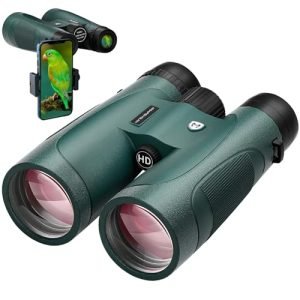
Choosing binoculars with waterproof featureshelps stop water from entering. This keeps lenses dry and clear during rain or wet conditions. Many hiking binoculars use O-ring sealsto block moisture.
Fog-proof technologiesprevent internal fogging caused by temperature changes. Nitrogen or argon gas fills inside the binoculars stop condensation. This keeps your view sharp and clear even in cold or humid weather.

Credit: www.amazon.com
Proper Storage Techniques
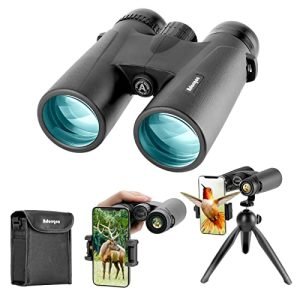
Using protective caseshelps keep hiking binoculars safe and dry. Cases stop dust, dirt, and moisture from reaching the lenses. Choose cases made with water-resistant materialsfor better protection. Soft cases are easy to carry, while hard cases offer stronger defense.
Storing binoculars in climate-controlled environmentsreduces condensation risk. Avoid places with sudden temperature changes. Keep binoculars in rooms with stable temperature and humidity. This stops moisture from forming inside the lenses.
Maintenance And Cleaning
Check your binoculars often for any signs of moisture or dirt. Look inside the lenses for fog or dust. Catching problems early helps keep your view clear. Store binoculars in a dry place to avoid dampness.
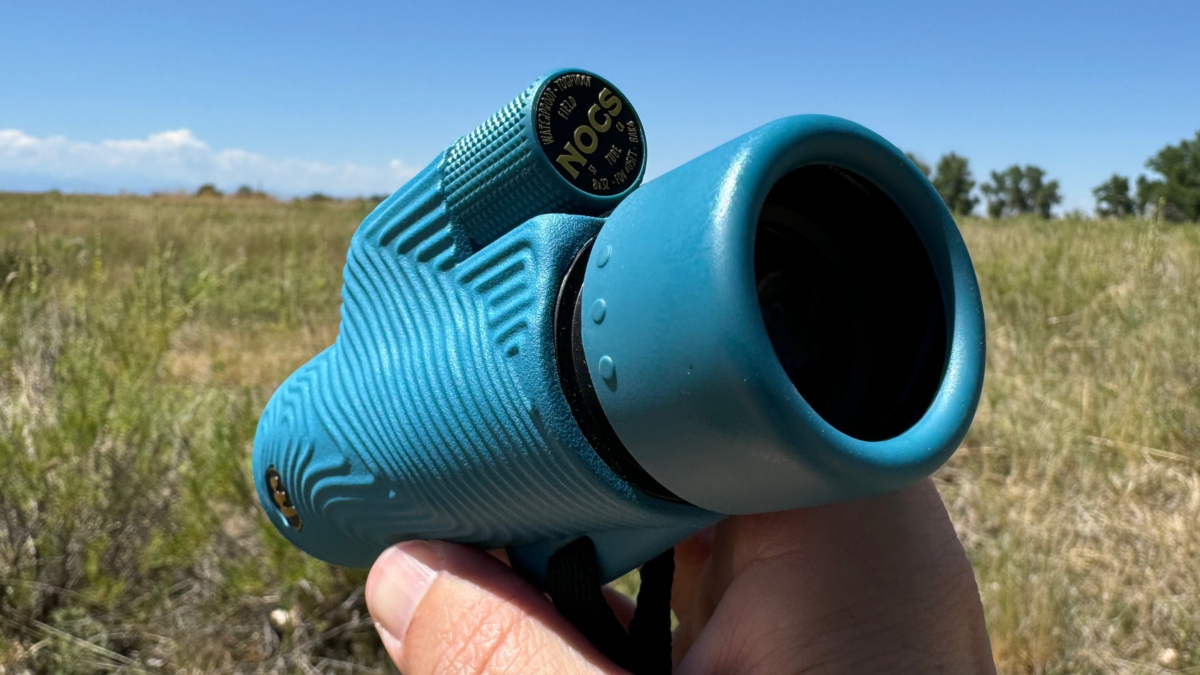
Use a soft cloth or lens brush to clean lenses gently. Avoid using rough materials that can scratch. Use lens cleaning fluid made for optics, not household cleaners. Wipe in a circular motion to remove smudges.
- Keep binoculars in a case when not in use.
- Dry lenses with a clean microfiber cloth.
- Do not open binoculars to clean inside parts.
- Let binoculars air dry if they get wet.
Credit: gearjunkie.com
Using Anti-fog Solutions
Anti-fog sprays and wipes create a thin layer that stops moisture buildup. These products are easy to apply and dry quickly. Always use sprays and wipes made for optics to avoid damage.
Some DIY remedies can help reduce condensation too. Wiping lenses with a soft cloth or using a small amount of soap can work. Rubbing a tiny bit of shaving cream and then wiping it off leaves a clear, fog-free layer.
| Solution | How It Works | Notes |
|---|---|---|
| Anti-fog Spray | Forms a protective layer | Use only on lenses, avoid excessive spray |
| Anti-fog Wipes | Quick and easy application | Disposable and travel-friendly |
| Soap or Shaving Cream | Leaves a thin, clear film | Apply lightly and wipe gently |
Handling Binoculars In Humid Conditions
Keep binoculars at a steady temperature to prevent condensation. Sudden changes cause moisture to form inside lenses. Carry binoculars in a protective case before going outside. This helps them adjust slowly to outdoor air.
When moving from cold to warm places, avoid opening the case right away. Let binoculars warm up gradually. This reduces the risk of fogging on the lenses.
- Store binoculars in a dry place before use.
- Use silica gel packs inside the case to absorb moisture.
- Avoid breathing directly onto lenses to clear fog.
- Keep binoculars away from wet or damp surfaces.
Tips For Hiking In Wet Weather
Use a waterproof case or cover to keep binoculars dry. Carry a rain jacket with a hood for extra protection. Wear gloves that do not block your grip on the binoculars. Avoid touching the lenses with wet or dirty hands.
Carry a soft, clean cloth to wipe off water drops quickly. Use silica gel packs inside the binocular case to absorb moisture. Open the binoculars carefully to air them out if they get wet. Store them in a warm, dry place after the hike.

Credit: www.amazon.com
Frequently Asked Questions
How Can I Prevent Binocular Condensation Outdoors?
To prevent condensation, keep your binoculars dry and avoid sudden temperature changes. Use waterproof, fog-resistant models and store them in breathable cases when not in use.
Why Do Hiking Binoculars Fog Up Quickly?
Hiking binoculars fog due to moisture and temperature shifts. Warm breath or sweat can cause internal fogging if lenses aren’t sealed or treated properly.
Are Waterproof Binoculars Better Against Condensation?
Yes, waterproof binoculars have sealed lenses and nitrogen or argon purging. This prevents moisture entry and reduces fogging in humid or wet conditions.
How To Dry Binoculars After Exposure To Moisture?
Wipe binoculars with a soft, dry cloth. Leave them in a warm, dry place with the eyecups extended. Avoid using heat sources like hairdryers.
Conclusion
Condensation can ruin your hiking binoculars’ view and experience. Keep them dry and clean to avoid fogging. Store binoculars in a cool, dry place after use. Use silica gel packs or anti-fog sprays to help reduce moisture. Always check and clean lenses before and after hiking trips.
Small steps make a big difference in keeping your gear clear. Enjoy sharper views and better adventures with simple care. Stay prepared and protect your binoculars from moisture every time.