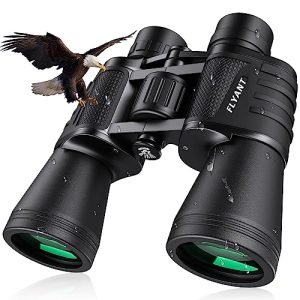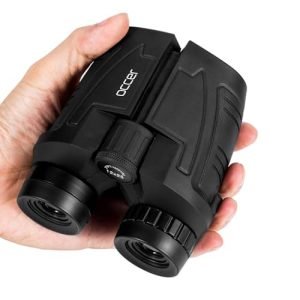
Are you ready to take your birding trips to the next level? Using hiking binoculars can transform the way you spot and enjoy birds in their natural habitat.
But how do you choose the right pair, and more importantly, how do you use them effectively? In this guide, you’ll discover simple tips and tricks that make birdwatching clearer, easier, and more exciting. Keep reading to unlock the secrets that will help you see every feather and detail like never before.
Your next birding adventure is about to get a whole lot better!
Choosing The Right Binoculars
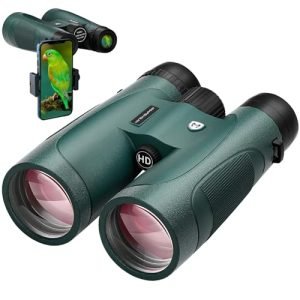
Magnificationshows how close objects appear. For birding, a magnification of 8x to 10xworks well. The objective lenssize affects brightness and clarity. A lens size of 32mm to 42mmbalances light and weight.
Binoculars should be lightweightand easy to carry. Heavy binoculars can tire your arms quickly. Choose a size that fits comfortably in your hands and backpack.
Binoculars need to be durablefor outdoor use. Look for models with rubber armorto protect against drops. Waterproofand fog-prooffeatures keep lenses clear in rain or mist.
:max_bytes(150000):strip_icc()/tal-celestron-trailseeker-8x42-ed-binoculars-sarah-barber-3-9d50fbf0e9db4f25a94784195680e2ab.jpeg)
Credit: www.travelandleisure.com
Setting Up Your Binoculars
Adjusting the focusis key to clear views. Hold the binoculars up and look through them. Turn the center focus wheel slowly until the image becomes sharp. This helps you see birds in detail without blur.
Calibrating the eye reliefmeans setting the right distance between your eyes and the binocular lenses. Move the binoculars closer or farther from your eyes until the full view fits in. This avoids dark edges and gives a better picture.
Use the diopter for precisionto balance the focus between your two eyes. Close one eye and focus with the other using the center wheel. Then close the other eye and adjust the diopter ring until both eyes see clearly. This makes bird watching easier and more comfortable.
Enhancing Birding Experience
Using hiking binocularsenhances the birding experience by making birds clearer and closer. They help spot birds in different environments, like forests, fields, and mountains. Adjust focus for sharp images and hold binoculars steady for best views.
In low light conditions, choose binoculars with a large lens diameter to gather more light. Use slower, smooth movements to avoid startling birds. A tripod or stabilizer can help keep the view steady during dawn or dusk.
Tracking fast-moving birds requires quick focus adjustment and practice. Follow the bird’s flight path smoothly with your eyes and binoculars. Choose binoculars with a wide field of view to help keep up with rapid movements.

Credit: www.celestron.com
Maintaining Your Binoculars
Cleaning the lenses keeps your view clear and sharp. Use a soft microfiber cloth to wipe lenses gently. Avoid using paper towels or clothes that can scratch the glass. Use lens cleaning solution or water if lenses are very dirty. Do not spray liquids directly on lenses; spray on cloth instead.
Protecting from scratches and dust is key to long life. Always keep lens caps on when not using binoculars. Avoid placing binoculars on rough or dirty surfaces. Use a padded case or pouch for extra protection during hikes.
Storing properly after use helps prevent damage. Store binoculars in a cool, dry place away from sunlight. Keep them in their case to avoid dust buildup. Check for moisture and dry binoculars before storing to stop mold and rust.
Expert Tips For Bird Watching
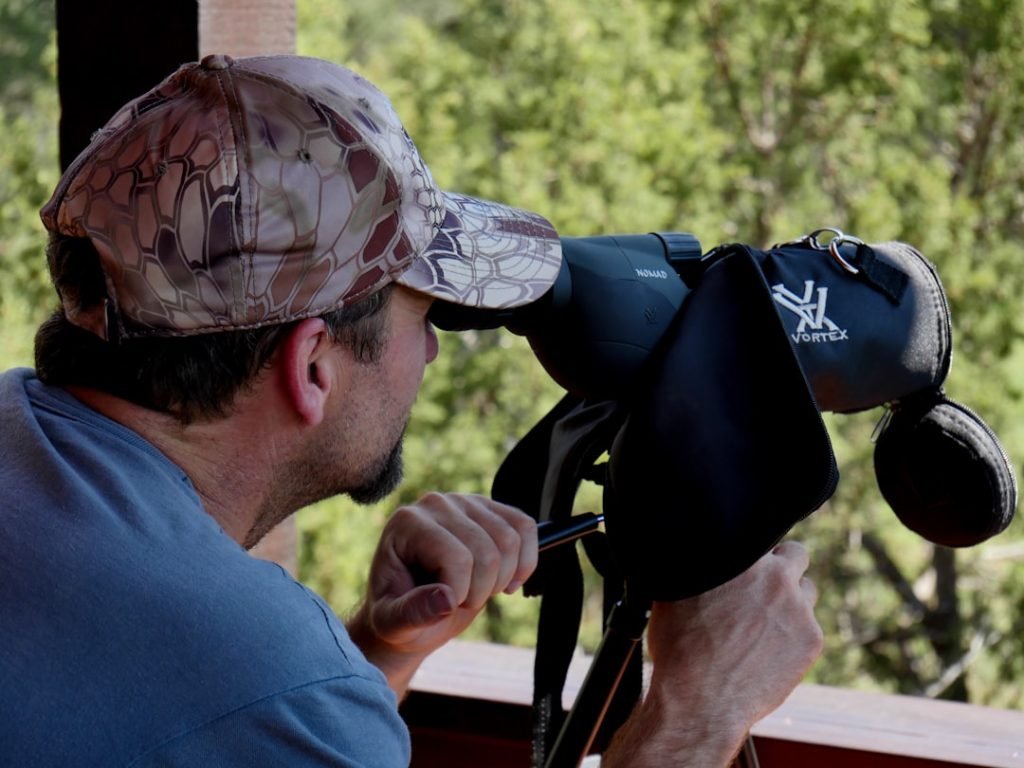
Using hiking binocularshelps spot birds from far away. Clear vision lets you see colors and shapes well. Always hold binoculars steady to avoid blurry images. Adjust the focus for sharp details. Look for unique features like beak shape, wing pattern, and size. These clues help identify bird speciescorrectly.
Keeping a notebook or app to record observationsis useful. Write down bird names, colors, and behaviors seen. Note the place and time. This helps track birds you meet on different trips. Pictures can support your notes and make memories last.
Joining birding communitiesconnects you with others who love birds. Share your sightings and ask questions. Learn from experienced bird watchers. Group trips and events offer chances to see rare birds. Being part of a group makes birding more fun and educational.
Credit: www.parksconservancy.org
Frequently Asked Questions
What Are The Best Hiking Binoculars For Birding Trips?
The best hiking binoculars for birding are lightweight, durable, and offer clear, sharp images. Look for 8×42 or 10×42 models for balanced magnification and brightness. Waterproof and fog-proof features enhance performance in outdoor conditions.
How Do I Adjust Binoculars For Bird Watching?
Adjust the eyecups to match your use of glasses or not. Set the interpupillary distance for comfortable viewing. Focus the center wheel until the bird image is sharp. Use the diopter adjustment to fine-tune one eyepiece.
Can Hiking Binoculars Improve Bird Identification?
Yes, hiking binoculars enhance bird identification by providing detailed views of color, patterns, and behavior. They help spot birds from a distance without disturbing them, making observation clearer and more enjoyable.
How To Clean Hiking Binocular Lenses Properly?
Use a soft brush or air blower to remove dust. Gently wipe lenses with a microfiber cloth or lens tissue. Avoid using household cleaners or rough materials that could scratch the lenses.
Conclusion
Using hiking binoculars on birding trips makes spotting birds easier. Choose the right binoculars for clear and bright views. Keep them steady to see details well. Practice focusing quickly to catch moving birds. Take care of your binoculars to keep them working longer.
Enjoy the quiet moments in nature while watching birds up close. Each trip helps you learn more about bird behaviors and habitats. Happy birding!