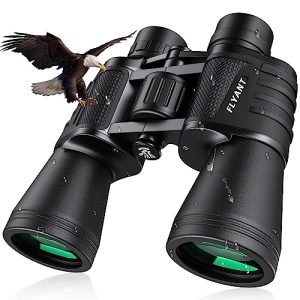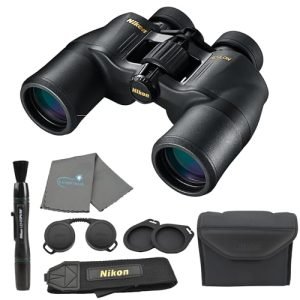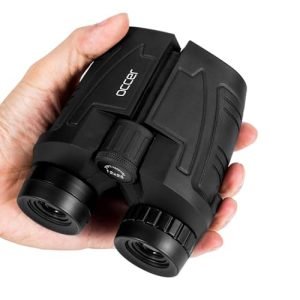
If you love hiking and wildlife spotting, you know how important it is to have your binoculars ready at all times. But carrying wildlife binoculars on your hiking trips can be tricky.
You want them to be easy to reach, safe from damage, and comfortable to carry without slowing you down. How do you find the perfect balance? You’ll discover simple, practical tips to carry your binoculars smartly, so you never miss a stunning view or a rare animal sighting.
Keep reading, and make your next hike more enjoyable and rewarding!

Credit: www.facebook.com
Choosing The Right Binoculars
Lightweight binoculars are easier to carry on hikes. Heavy binoculars can tire your arms quickly. Choose binoculars that fit comfortably in your backpack. Smaller models are often more portable. Make sure they are not too bulky for your hiking gear.
Good lens quality means clear views of wildlife. Check for lenses that reduce glare. Higher magnification lets you see animals far away. But, very high magnification can make images shaky. Strike a balance between clarity and magnification.
Binoculars should resist rain and dust. Waterproof models are best for rainy hikes. Fog-proof lenses ensure clear views in humid weather. Durable materials withstand harsh outdoor conditions. Ensure they are robust for long-lasting use.
Preparing Your Binoculars For The Hike
Keep your binoculars clean and well-maintainedfor clear views. Use a soft cloth to wipe lenses gently. Avoid harsh chemicals to prevent damage. Check for dirt or moisture before every hike.
Use protective covers or casesto shield binoculars from scratches and bumps. Soft cases offer light protection while hard cases guard against impacts. Choose a case that fits your binocular size snugly.
- Adjust strapsto fit comfortably on your neck or shoulder.
- Make sure straps are secure but not too tightto avoid discomfort.
- Consider padded straps for longer hikes to reduce strain.
- Keep binoculars close to your body to prevent swinging and damage.
Packing Techniques For Easy Access
Chest harnesses keep binoculars close to your chest. This setup lets you grab them quickly without stopping. The harness spreads the weight evenly, making it comfy to wear for long hikes. It also stops binoculars from swinging around while you walk.
Attaching binoculars to backpack straps is another good choice. Use clips or loops to secure them firmly. This way, binoculars stay in place and don’t bounce. Plus, they stay easy to reach without taking off the pack.
Side pockets on backpacks offer quick storage. Binoculars fit snugly inside and stay safe from bumps. Choose pockets with zippers or flaps to avoid falling out. This keeps your hands free and your gear ready to use.

Credit: www.facebook.com
Carrying Tips To Prevent Damage
Protect wildlife binocularsfrom drops and bumps by using a padded case. Keep the case close to your body to avoid impacts. Store binoculars in a soft pouch to prevent scratches during hikes. Avoid placing them loosely in your backpack where they can rub against hard objects.
Prevent moisture damage by keeping binoculars in waterproof covers. Use silica gel packs inside the case to absorb moisture. Wipe lenses gently with a soft cloth to stop fogging. Avoid breathing directly on lenses to keep them clear.
- Hold binoculars firmly while walking on rough trails.
- Use a neck strap to keep them handy and secure.
- Stop and rest when adjusting binoculars to avoid dropping.
- Keep binoculars away from dirt and dust by closing lens caps when not in use.
Safety And Convenience On The Trail
Wildlife binoculars need to be easy to reach for quick spotting. Attach them to your backpack strap or chest harness. This allows fast accesswithout slowing down your hike.
Even weight spread helps keep balance on rough trails. Place binoculars close to your body to avoid swinging. This reduces strain and keeps your center of gravity steady.
- Use a neck or shoulder strap to keep hands free.
- Secure binoculars with a quick-release clip for safety.
- Consider padded cases to protect lenses from damage.
:max_bytes(150000):strip_icc()/tal-athlon-optics-8x42-midas-uhd-binoculars-signe-bamsey-ben-wanamaker-09-1-8caa644274c046f78e4cc47a08bb9750.jpeg)
Credit: www.travelandleisure.com
Frequently Asked Questions
How Do I Secure Binoculars During A Hike?
Use a sturdy harness or neck strap for stability. Secure binoculars close to your body to prevent swinging or damage while walking.
What’s The Best Way To Protect Binoculars From Weather?
Carry binoculars in a waterproof case or pouch. Use lens covers and keep them inside your backpack during rain or snow.
Can I Carry Binoculars In A Backpack Pocket?
Yes, use a padded compartment or case inside your backpack. This prevents scratches and absorbs shocks during rough hikes.
How To Keep Binoculars Easily Accessible On Trails?
Attach binoculars to your chest or neck with an adjustable strap. This allows quick access without removing your backpack.
Conclusion
Carrying wildlife binoculars on hiking trips keeps your hands free and your gear safe. Use a comfortable strap or a secure case to avoid damage. Keep your binoculars easily accessible for quick wildlife spotting. Balance the weight to prevent strain during long walks.
A little care helps your binoculars last longer in the wild. Enjoy nature’s beauty with the right carrying method. Stay prepared and travel light. Safe packing means better adventures ahead.