When you’re out camping, your gear needs to keep up with you—especially your binoculars. You want something tough that won’t break or let you down when you spot wildlife or navigate tricky terrain.
But what exactly makes a pair of camping binoculars durable? Understanding these key features can save you money and frustration. Keep reading to discover what to look for so your binoculars stay strong and reliable, no matter where your adventure takes you.

Credit: www.indiatelescopeshop.com
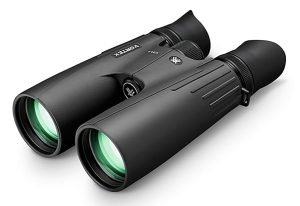
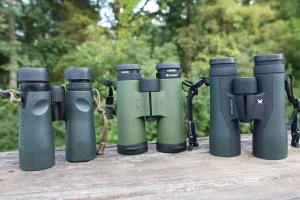
Robust Housing Materials
Binocularsneed strong shells. These shells protect against bumps. They shield the lenses. Tough materials like polycarbonateare often used. These materials absorb shocks. This keeps binoculars safe. No cracks or scratches form easily.
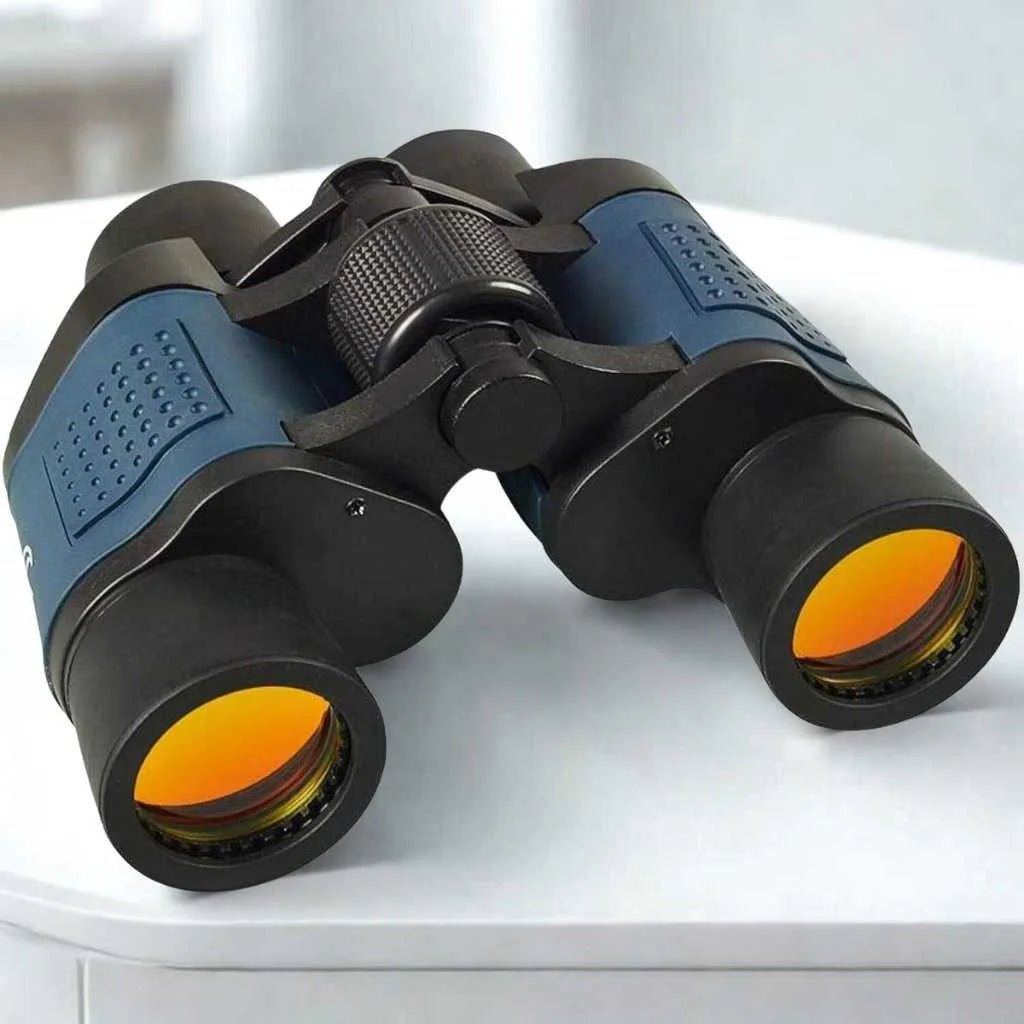
Special coatings guard against rain. Waterprooflayers stop water from entering. They keep lenses dry. Dust and dirt can’t stick easily. This keeps views clear. Binoculars stay safe in harsh weather. You can use them in heavy rain.
Metals like aluminumare used in binoculars. These metals resist rust. Rust weakens metal. Strong metals last longer. They keep binoculars working well. Saltwater can’t damage them. This is great for ocean trips.

Credit: www.amazon.com
Protective Lens Features
Scratch-resistant coatingsprotect binocular lenses from damage. They keep lenses clear and sharp for longer use. This coating helps prevent marks from rough surfaces and accidental drops.
Water-repellent lens treatmentcauses water to bead and roll off the lenses. This keeps vision clear in rain or wet conditions. It also helps stop dirt and dust from sticking to the lenses.
Fog-proof designstops lenses from fogging during temperature changes. This is done by sealing the binoculars and filling them with dry gas. Fog-free lenses ensure clear views in cold or humid weather.
Sealing And Waterproofing
O-ring sealskeep water and dust out of binoculars. They create a tight barrier around the lenses and moving parts. This helps stop moisture from entering and fogging the lenses. It also prevents dirt from getting inside and damaging the optics.
Nitrogen or argon purgingfills the inside of binoculars with dry gas. This stops fog from forming inside the lenses during temperature changes. It also keeps the glass clear for better viewing in wet or cold conditions.
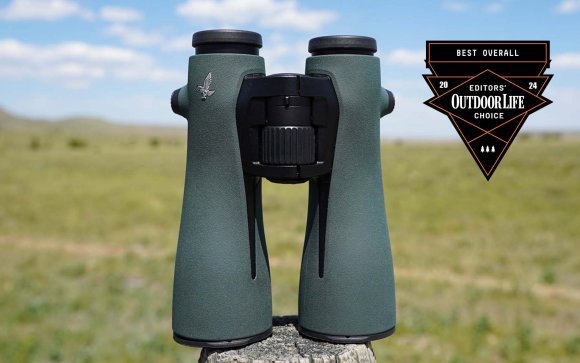
Dust and debris protectionmeans binoculars have sealed covers and strong outer coatings. These features stop particles from scratching or wearing down the lenses. They also help the binoculars last longer in rough outdoor use.
Credit: www.outdoorlife.com
Ergonomic Design Elements
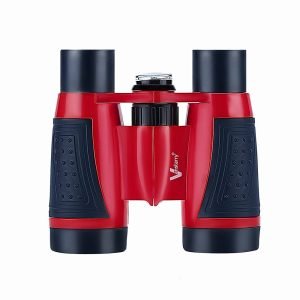
Non-slip grip surfaceshelp keep binoculars steady in your hands. They prevent slipping when your hands are wet or sweaty. This feature is key for safe handling during outdoor activities.
Shock-absorbing armorprotects binoculars from bumps and drops. It acts like a cushion around the lens and body. This armor increases the life of your binoculars.
A compact and lightweight buildmakes carrying easier. Smaller binoculars fit well in backpacks without adding weight. This design helps you move freely and carry your gear comfortably.
Maintenance And Longevity
Easy-to-clean componentsmake camping binoculars last longer. Dirt, dust, and water can harm lenses and moving parts. Wiping lenses with a soft cloth keeps vision clear. Removable lens caps protect from scratches and dirt. Materials that resist water and mud help maintain binoculars in rough weather.
Replaceable partsadd to durability. Swappable lenses, eyecups, and focus knobs mean small damages don’t ruin the whole binocular. This saves money and extends use. Look for models with parts you can buy separately.
| Durability Testing Standards | What It Means |
|---|---|
| Waterproof Rating (IPX) | Protection against water, rain, and splashes |
| Shock Resistance | Withstands drops and bumps during outdoor use |
| Fog Proofing | Prevents internal fogging in cold or humid weather |
| Scratch-resistant Coating | Protects lenses from scratches and abrasions |
Frequently Asked Questions
What Materials Make Camping Binoculars More Durable?
Camping binoculars made with rubber armor and polycarbonate bodies resist impacts well. These materials protect against drops and rough handling outdoors. Durable coatings prevent scratches and wear, extending the binoculars’ lifespan in rugged environments.
How Does Waterproofing Improve Binocular Durability?
Waterproof binoculars prevent moisture damage inside the lenses and mechanics. This feature protects binoculars from rain, splashes, and accidental submersion. It ensures clear vision and reliable performance in wet or humid camping conditions.
Why Is Fog-proofing Important For Camping Binoculars?
Fog-proof binoculars contain nitrogen or argon gas to prevent internal fogging. This keeps the lenses clear in temperature changes and humid weather. Fog-proofing maintains visibility and prevents damage caused by moisture buildup inside the binoculars.
How Do Shockproof Features Enhance Binocular Lifespan?
Shockproof binoculars have reinforced frames and cushioned components to absorb impacts. This reduces internal damage from drops or bumps during camping activities. Shockproofing ensures long-term durability and consistent optical performance.
Conclusion
Durable camping binoculars stand up to rough use and weather. Tough materials protect lenses and body from damage. Waterproof and fog-proof features keep vision clear. A good grip stops slips during adventures. Shock resistance helps against drops and bumps. These features make binoculars last longer outdoors.
Choose models with strong build for reliable use. Enjoy your trips without worrying about gear breakage. Durable binoculars bring better views and peace of mind.