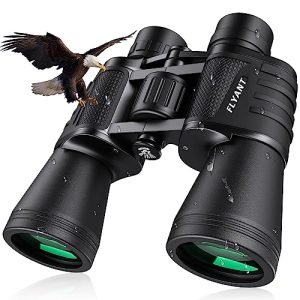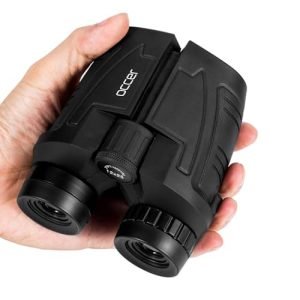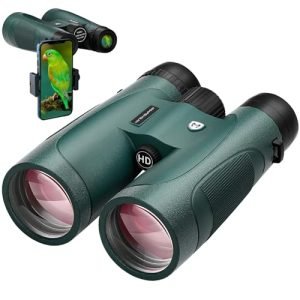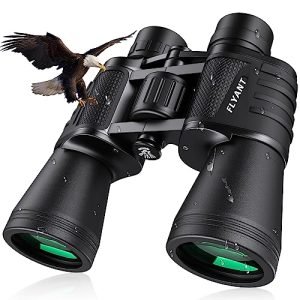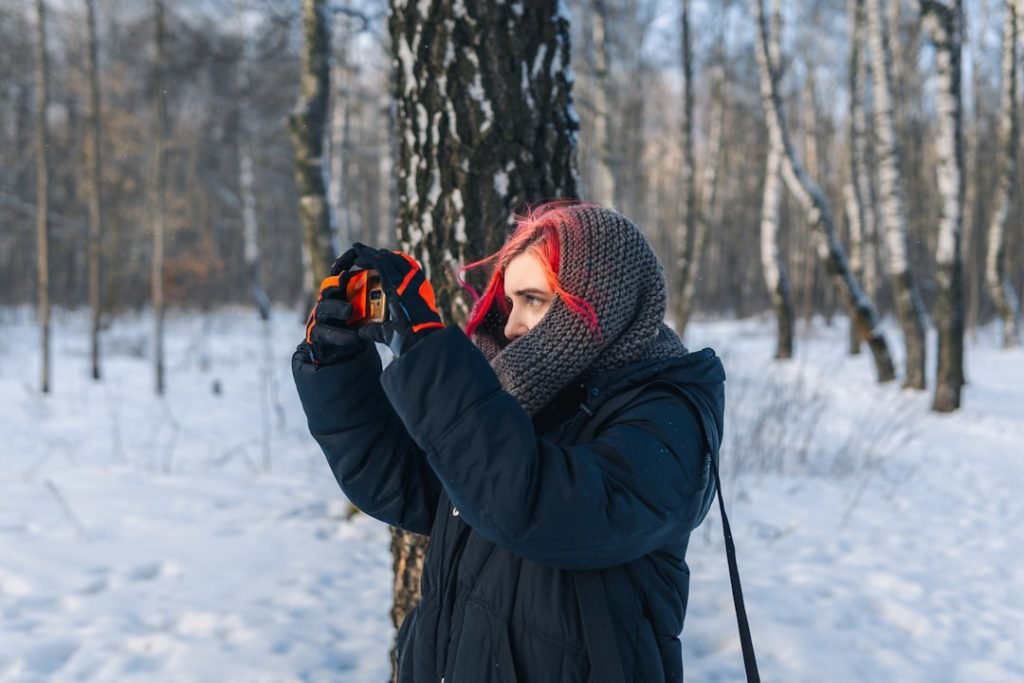
Are you planning a camping trip in chilly weather and wondering if your binoculars can keep up? You probably rely on your camping binoculars to spot wildlife, navigate trails, or enjoy stunning views.
But what happens when the temperature drops? Will your binoculars fog up, freeze, or stop working altogether? Keep reading to discover how cold weather affects your camping binoculars and what you can do to make sure they perform perfectly, no matter how cold it gets outside.
Cold Weather Challenges
Cold weather can cause fogging and freezing issues with camping binoculars. Choosing models with waterproof and fog-proof features helps maintain clear views. Proper care and storage also protect binoculars from damage in low temperatures.
Effects Of Low Temperatures On Binoculars
Cold weather can affect binoculars in several ways. Low temperatures may cause the lenses to fog up quickly. This fog can reduce visibility and clarity. Cold can also make the binoculars stiff and harder to adjust. Lubricants inside might freeze, impacting movement. Metal parts can become cold to touch, causing discomfort.
Common Issues Faced Outdoors
- Fogging of lenses is a common problem.
- Adjusting knobs can become difficult.
- Cold hands struggle to grip metal parts.
- Battery life of digital models might reduce.
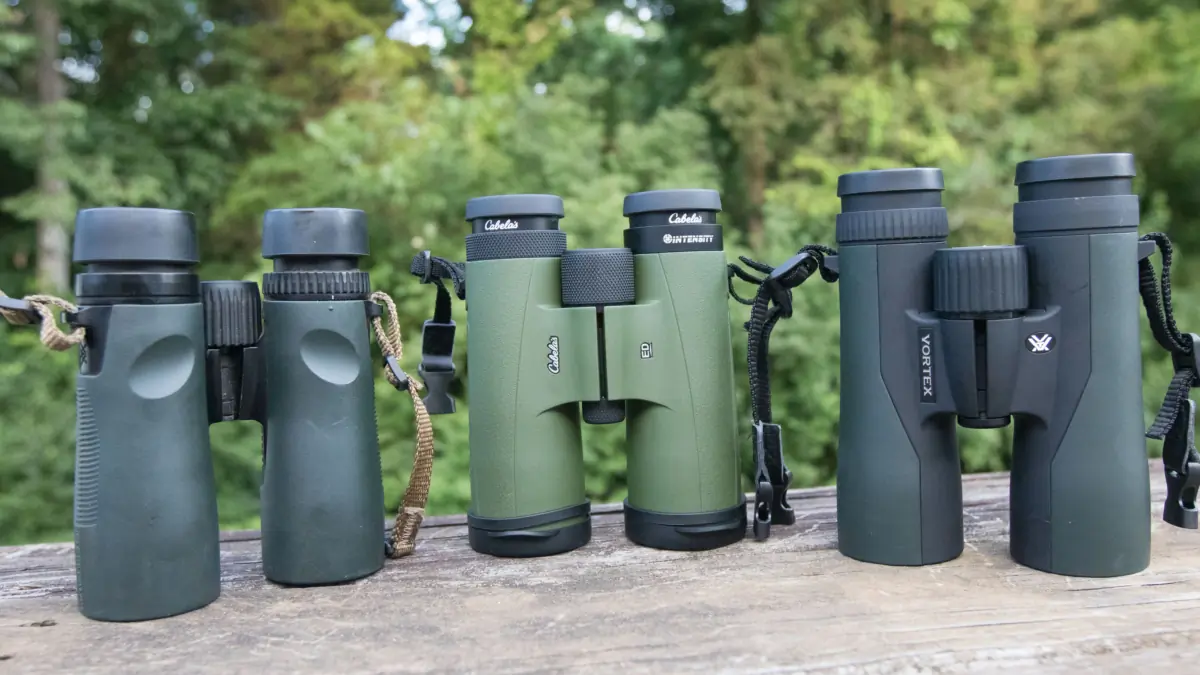
Credit: gearjunkie.com
Features To Look For
Fog and waterproofinghelp binoculars work in cold, wet places. Fog inside lenses can blur your view. Waterproof binoculars stop water from getting in. Look for models with sealed bodies and nitrogen or argon gas. These keep fog away and protect parts inside.
Lens coatings and materialsimprove light and image quality. Coatings reduce glare and give bright, clear views. Lenses made from high-quality glass or optical plasticlast longer in cold weather. Good coatings also protect lenses from scratches and dirt.
| Durability and Build Quality | Why It Matters |
|---|---|
| Rubber Armor | Protects from drops and cold impacts |
| Metal or Strong Plastic Body | Lasts longer and handles rough use |
| Strong Hinges | Keep binoculars stable and aligned |
Best Binocular Types For Cold
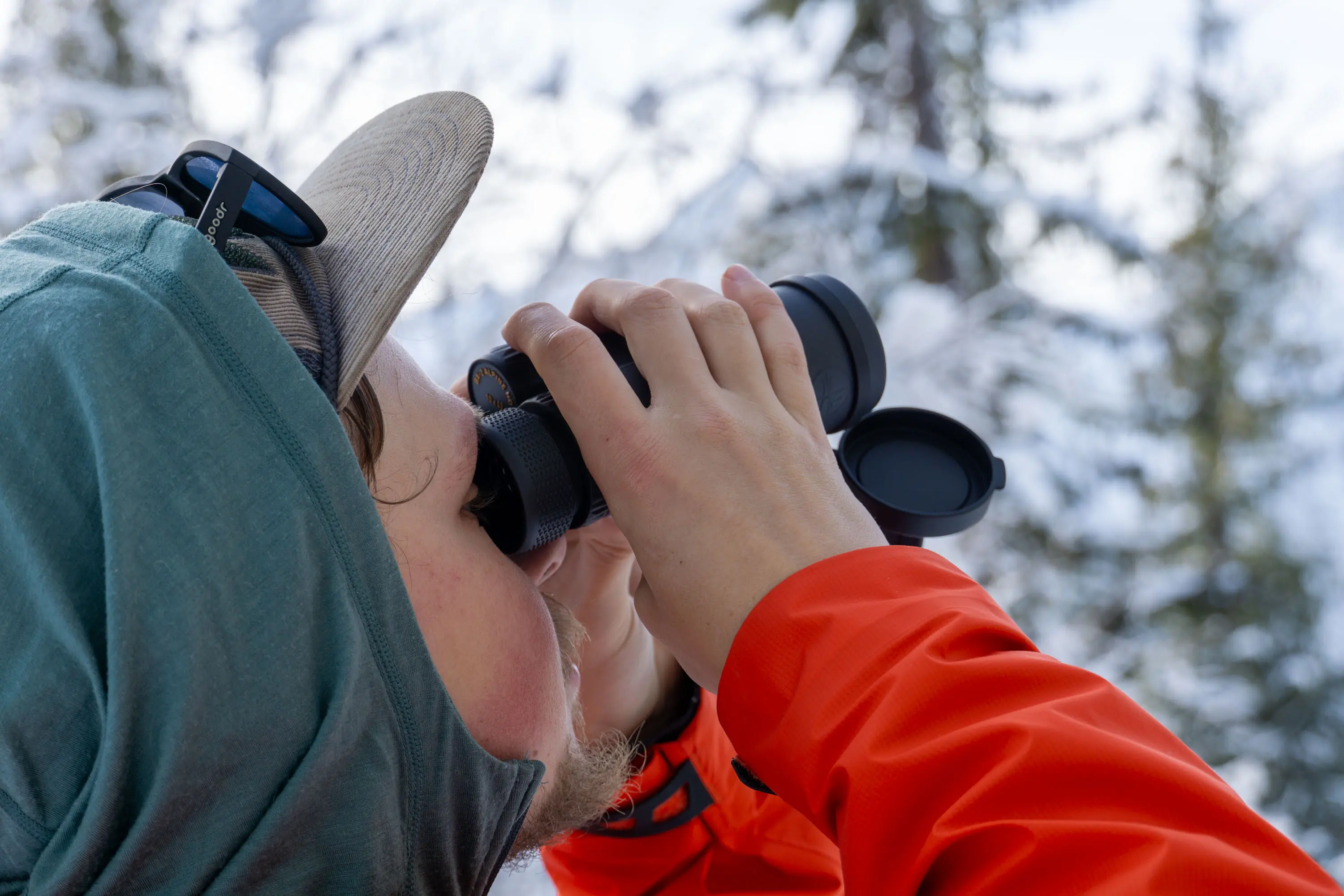
Porro prism binocularsoffer better depth perception and a wider view. They are bulkier but often provide brighter imagesin cold weather. Roof prism binoculars are more compact and easier to carry. They tend to be lighterand more waterproof, which helps in snowy or wet conditions.
Choosing between compactand full-size binocularsdepends on your needs. Compact models are easy to hold and carry but may have a smaller field of view. Full-size binoculars give better light gathering and clearer images in low light. This is useful in winter mornings or late evenings.
| Type | Advantages | Disadvantages |
|---|---|---|
| Porro Prism | Better depth, wider view, brighter image | Heavier, bulkier |
| Roof Prism | Compact, lightweight, more waterproof | Usually more expensive, slightly less bright |
| Compact Binoculars | Easy to carry, lightweight | Smaller field of view, less light gathering |
| Full-Size Binoculars | Better image in low light, larger field of view | Heavier, less portable |
Credit: gearjunkie.com
Maintenance Tips In Cold Weather
Fog and condensationcan harm your binoculars in cold weather. Keep lenses dry by wiping them gently with a soft cloth. Avoid breathing on lenses to prevent moisture buildup. Store binoculars in a sealed bagor case with silica gel packets to absorb moisture. Allow binoculars to warm gradually before use to reduce fogging.
Handle binoculars carefully to avoid damage. Never leave them outside in freezing temperatures for long. Store them in a warm, dry placeafter use. Avoid sudden temperature changes, which can cause condensation inside. Use lens caps and covers to protect lenses from snow and ice.
Expert Usage Tips
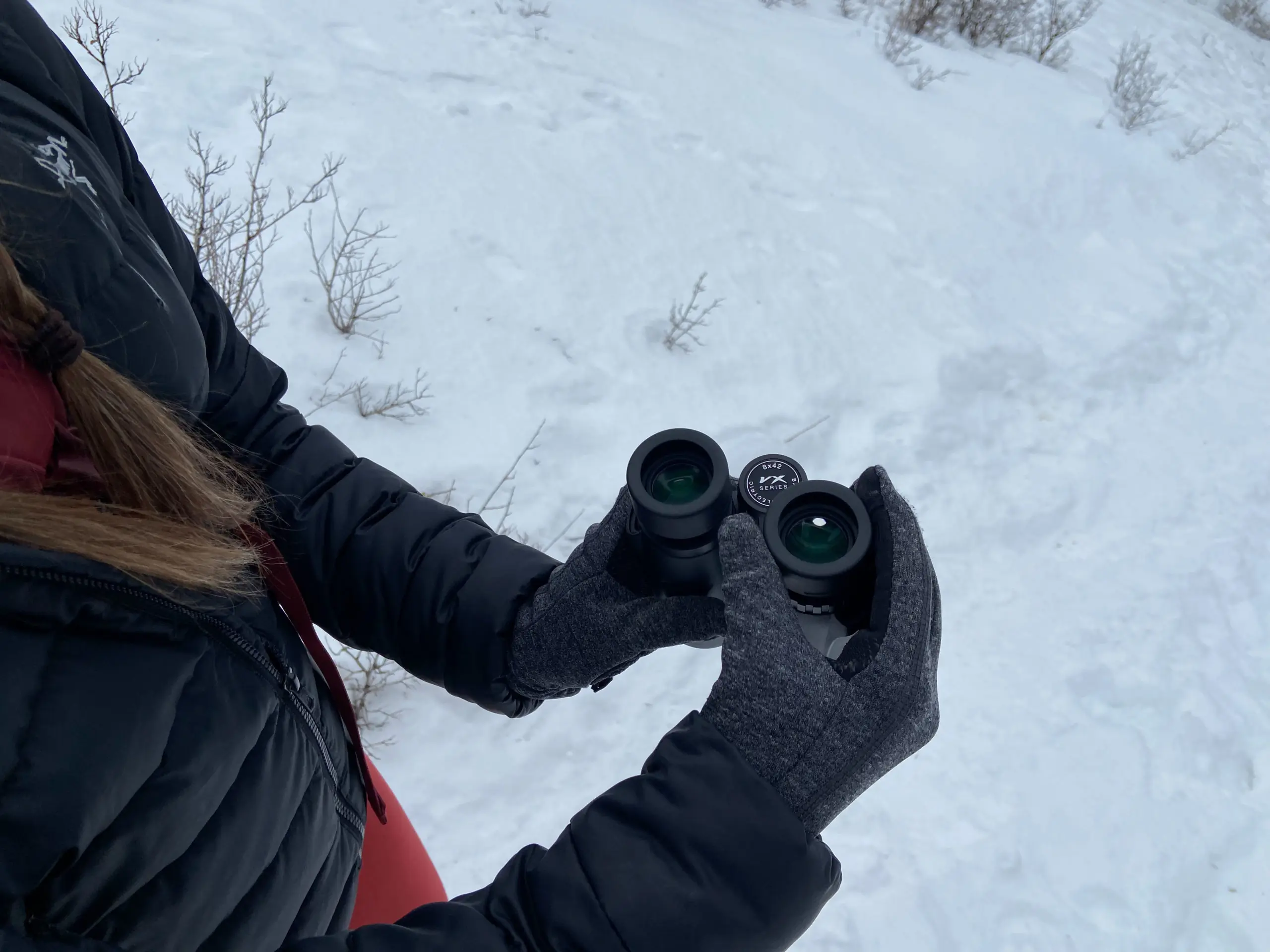
Wearing glovescan make using binoculars tricky. Choose gloves that allow finger movement.
Thin gloves or glove liners help you adjust the focus without taking them off. Cold hands can make focusing hard. Use binoculars with large, easy-to-turn focus wheels.
Try to keep your hands warm before using binoculars. Warm hands work better at adjusting focus.
- Use gloves with touch-friendly fingertips.
- Hold binoculars firmly but gently.
- Practice focusing before the cold sets in.
Credit: gearjunkie.com
Recommended Models
Binoculars for cold weather need to be durableand fog-proof. Look for models with rubber coatingsto keep a good grip in snow or ice. Waterproofingis key to protect lenses from moisture.
Many top binoculars have nitrogen or argon purging. This stops fog inside the lenses during temperature changes. Also, find binoculars with twist-up eyecupsfor use with gloves.
| Model | Key Feature | Price Range |
|---|---|---|
| Vortex Diamondback HD | Fog-proof, waterproof, great optics | Mid-range |
| Nikon Prostaff 3S | Lightweight, waterproof, budget-friendly | Budget |
| Celestron Outland X | Rubber armored, waterproof, good grip | Budget |
- Choose binoculars with anti-fog coating.
- Look for models that stay clear in freezing temperatures.
- Pick binoculars with easy focus knobsfor use with gloves.
- Compact and lightweightdesigns make carrying easier.
- Check warrantyfor protection against harsh winter use.
Frequently Asked Questions
Can Camping Binoculars Withstand Freezing Temperatures?
Yes, many camping binoculars are designed with waterproof and fog-proof features. These protect internal lenses and prisms from freezing and moisture damage during cold weather use.
How To Prevent Fogging In Binoculars During Cold Weather?
To prevent fogging, use binoculars with nitrogen or argon purging. Store them in a dry, insulated case and avoid rapid temperature changes.
Are There Specific Binoculars For Cold Weather Camping?
Yes, some binoculars are specially built for extreme cold. They have enhanced sealing, anti-fog coatings, and durable materials suited for freezing conditions.
Does Cold Weather Affect Binocular Lens Clarity?
Cold weather can cause lens fogging and condensation. Proper sealed and purged binoculars maintain clear optics despite low temperatures.
Conclusion
Camping binoculars can work well in cold weather if you choose the right type. Look for models with fog-resistant and waterproof features. Keep them warm before use to avoid lens fogging. Handle them carefully to prevent damage from freezing temperatures.
Proper care helps binoculars last longer outdoors. Enjoy clear views of nature, even in chilly conditions. With simple steps, binoculars stay reliable on winter trips. Cold weather should not stop your outdoor adventures. Just prepare and protect your gear well.