Have you ever struggled to keep your hiking binoculars steady while trying to spot wildlife or distant views? Holding them by hand can be tiring and shaky, making it hard to enjoy the full experience.
Using a tripod with your binoculars can change everything—giving you clear, stable views without the strain. You’ll discover simple steps to set up and use hiking binoculars with a tripod, so you never miss a moment. Ready to see the world more clearly and comfortably?
Let’s dive in!

Credit: www.amazon.com
Choosing The Right Binoculars
Attaching hiking binoculars to a tripod provides steady views and reduces hand shakiness. Secure the binoculars properly, adjust the tripod height, and focus for clear images. This setup helps enjoy distant landscapes with ease and comfort.
Magnification And Lens Size
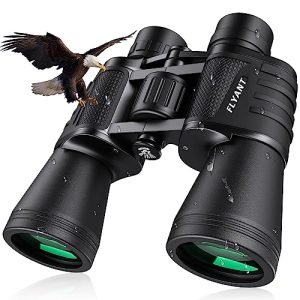
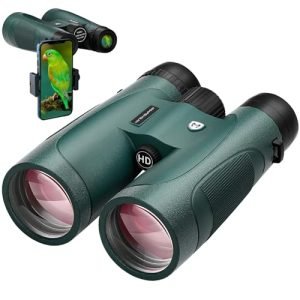
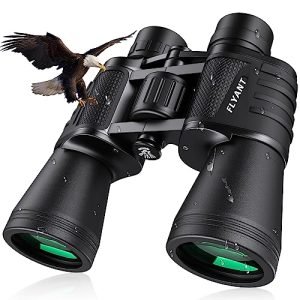
Binoculars with 8x to 10x magnificationare ideal for hiking. They offer a clear view without too much shake. Larger lensesgather more light, making images brighter. But they also make binoculars heavier. Choose lenses around 30mm to 42mmfor balance.
Weight And Portability
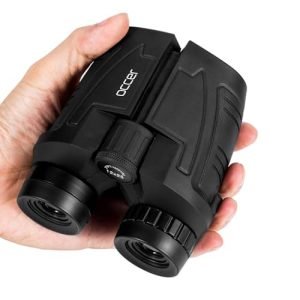
Lightweight binoculars are easier to carry during long hikes. Compact designsfit in backpacks easily. Consider binoculars that weigh under 1.5 pounds. A comfortable strap can help distribute weight evenly.
Weather Resistance Features
Choose binoculars with waterproof and fog-prooffeatures. They withstand rain and humidity. Rubber armor provides extra protectionagainst drops. Look for binoculars with sealed O-rings for durability.

Credit: www.celestron.com
Selecting A Suitable Tripod
Tripod heightshould match your eye level for comfort. It helps avoid strain during long hikes. Stability is key. A tripod with wide legs offers better balance on rough ground.
Lightweight materials like aluminum or carbon fiber make carrying easier. Aluminum is affordable but heavier. Carbon fiber is lighter and strong but costs more.
| Material | Weight | Durability | Cost |
|---|---|---|---|
| Aluminum | Heavier | Good | Affordable |
| Carbon Fiber | Lighter | Very Good | Expensive |
Check if your binoculars fit the tripod mount. Most use a screw thread size 1/4 inch. Some tripods come with adapters for different binoculars. Choose a tripod head that allows smooth movement for easy viewing.
Mounting Binoculars On A Tripod
A tripod adapter helps connect binoculars to the tripod. It fits into the binoculars’ tripod mount. This adapter allows steady viewing without holding the binoculars.
Attach binoculars by screwing the adapter firmly. Make sure it feels tight to avoid wobbling. Use a soft cloth to protect the binoculars from scratches during attachment.
Balance the binoculars on the tripod by adjusting the legs. The goal is a stable and level setup. Uneven balance can cause shaking and blur your view.
- Check that the adapter fits your binocular model.
- Secure the adapter before mounting the binoculars.
- Adjust tripod height to comfortable eye level.
- Spread tripod legs wide for maximum stability.
- Test stability by gently nudging the binoculars.
Adjusting For Clear Views
Focusing techniqueshelp bring objects into sharp view. Turn the central focus wheel slowly. Stop when the image is clear. Use the diopter ring on the right eyepiece to adjust for differences between your eyes. This ensures both eyes see clearly.
Adjusting eye reliefis key for comfort, especially for those who wear glasses. Move the eyecups up or down to find the best distance from your eyes. Proper eye relief prevents dark circles around the view and reduces eye strain.
Aligning for comfortmeans positioning the binoculars and tripod so your neck and back feel relaxed. Adjust tripod height and angle to avoid bending or stretching. Keep your elbows close to your body for steadiness during use.
Optimizing Use During Hikes
Quick setupsaves time and helps you enjoy the view faster. Extend the tripod legs fully for better stability. Make sure the binoculars attach tightly to the tripod mount. Adjust the height so you can look through the binoculars comfortably without straining your neck.
Uneven ground can make your setup wobbly. Place the tripod legs on firm spots. Use rocks or sticks to support legs if needed. Keep the tripod low for better balance in windy areas. A steady base helps keep the image clear and sharp.
Protect your gear by always carrying it carefully. Use a padded case for the binoculars. Keep the tripod folded and secure when moving. Avoid banging the equipment against trees or rocks. Clean lenses gently with a soft cloth after use to keep the view clear.

Credit: www.instagram.com
Caring For Binoculars And Tripod
Cleaning lenses requires care to avoid scratches. Use a soft brush to remove dust gently. A microfiber cloth works best for wiping lenses. Avoid using paper towels or clothing, as they can damage the glass. Use lens cleaning solution sparingly and only on the lenses.
Storing binoculars and tripods properly keeps them safe and ready for use. Keep them in a padded case to protect from bumps. Store in a dry place to prevent mold and rust. Avoid leaving equipment in direct sunlight or extreme temperatures.
Regular maintenance checks help spot problems early. Tighten screws and joints on the tripod to keep it stable. Check for loose parts or cracks on binoculars. Clean moving parts with a dry cloth. Replace worn-out parts promptly to keep equipment working well.
Frequently Asked Questions
How Do I Attach Hiking Binoculars To A Tripod?
To attach hiking binoculars to a tripod, use a compatible tripod adapter or mount. Secure the adapter to the binoculars’ tripod thread. Then, fasten the adapter onto the tripod’s mounting plate. This setup ensures stability and allows hands-free viewing during hikes.
What Tripod Height Is Best For Hiking Binoculars?
Choose a tripod height that matches your eye level for comfortable viewing. Adjustable tripods between 50 to 70 inches work well. This height range reduces neck strain and provides a stable platform for clear, steady binocular use while hiking.
Can I Use Any Tripod With Hiking Binoculars?
Not all tripods fit hiking binoculars. Use a tripod with a universal mounting screw (usually 1/4 inch). Ensure the tripod is lightweight and sturdy for outdoor use. A tripod designed for optics or photography is ideal for hiking binoculars.
Why Use A Tripod With Hiking Binoculars?
A tripod stabilizes binoculars, reducing hand shake and improving image clarity. It allows longer viewing sessions without fatigue. Tripods are essential for spotting distant wildlife or landscapes during hikes, enhancing your overall outdoor experience.
Conclusion
Using hiking binoculars with a tripod makes viewing steady and clear. It helps reduce hand shake, giving you sharper images. Set up the tripod on a flat surface for best results. Adjust the binoculars on the tripod for comfort and easy use.
Take your time to focus carefully before observing. This simple technique improves your hiking experience and lets you enjoy nature fully. Practice often to get comfortable with the setup. Soon, you will see distant views with ease and detail.