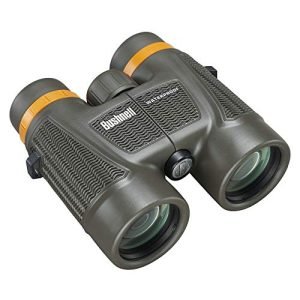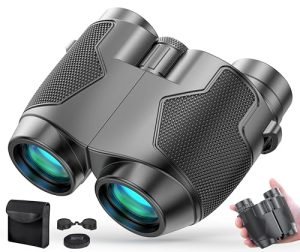
Have you ever wondered if your tactical binoculars can stand up to harsh weather conditions? Whether you’re out in heavy rain, freezing snow, or scorching heat, you need gear that won’t let you down.
Your binoculars are more than just lenses—they’re your eyes in tough environments. You’ll discover how well tactical binoculars perform when the weather turns extreme. Keep reading to find out what features to look for and how to choose binoculars that stay reliable no matter what nature throws at you.

Credit: www.instagram.com
Tactical Binoculars Basics
Tactical binoculars often have waterproof and fog-resistant features, making them reliable in rain or snow. Their rugged design helps them withstand harsh conditions like extreme cold or heat. Perfect for outdoor activities requiring clear vision in tough weather.
Key Features
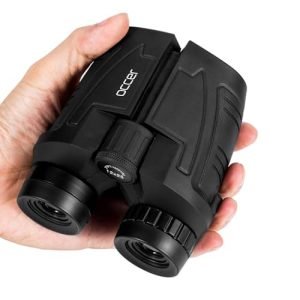
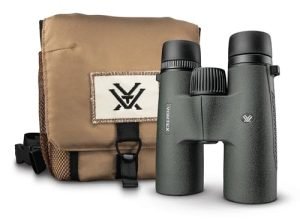
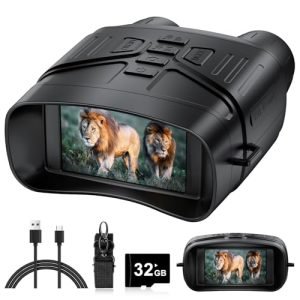
Tactical binoculars are designed for tough conditions. They often have waterproofand fog-prooffeatures. This helps them work in extreme weather. Their durable bodycan handle drops and bumps. They have anti-glare lensesfor clear views. Some models offer night visioncapabilities. This is useful in low light. Their magnification powercan bring distant objects closer. Adjustable focus makes them easy to use.
Common Uses
Many people use tactical binoculars for outdoor adventures. They’re great for hikingand bird watching. Hunters find them very helpful. They help spot animals from far away. Soldiers use them for missions. They need clear views in tough environments. Binoculars are also used in search and rescueoperations. They help find people in large areas. Nature lovers enjoy them for viewing landscapes.
Types Of Extreme Weather
Rain and Humiditycan cause fogging inside lenses. Tactical binoculars with waterproof sealsand anti-fog coatingsperform well here. They keep vision clear even in heavy rain.
Snow and Icecan freeze binocular parts and block lenses. Models with rubber armorprotect against cold and impacts. Look for binoculars rated for low temperatures.
High Temperaturesmay cause lens damage or fogging. Binoculars with heat-resistant materialsavoid warping. Ventilation can also help reduce fogging in hot weather.
Wind and Dustcan scratch lenses and block vision. Dustproof and sealed binoculars keep dirt out. Rubber coatings help hold binoculars steady in strong wind.
Weatherproofing Features
Tactical binocularsare built to handle tough weather. Water resistancekeeps them safe in rain or snow. Many models have special seals to stop water from entering. This means you can use them in wet conditions without worry.
Fog proofingis another key feature. Inside the binoculars, they often use nitrogen or argon gas. This stops fog from forming on the lenses, keeping your view clear even when temperatures change fast.
Durability and shock resistancemake these binoculars strong. They have rubber armor that protects from drops or bumps. This armor also helps keep a good grip, even with wet or cold hands.
- Water-resistant seals prevent leaks
- Gas-filled lenses stop fogging
- Rubber armor absorbs shocks
- Good grip in harsh weather

Credit: www.amazon.in
Material And Build Quality
Lens coatingshelp reduce glare and improve light transmission. This is key for clear vision in rain or fog. Quality coatings also protect lenses from scratches and dust. They keep images sharp even in tough weather.
Housing materialsmust be strong and light. Many tactical binoculars use rubber armorfor shock resistance and a good grip. Metals like aluminumor magnesiumprovide durability without adding too much weight.
Sealing techniquesprevent water, dust, and fog from entering the binoculars. Look for models with O-ring sealsand nitrogen or argon gas filling. These features keep the inside dry and fog-free in extreme weather.
Performance In Various Conditions
Tactical binocularsoften have coatings on lenses to improve visibility in rain and fog. These coatings reduce glare and help you see clearer in wet conditions. Some models have waterproof seals that stop water from entering the binoculars.
In cold weather, many tactical binoculars are built to work well at low temperatures. They often have antifog features to keep the lenses clear. This helps avoid blurry views caused by condensation inside the binoculars.
Heat and sun exposurecan sometimes cause lens fogging or damage. High-quality binoculars use special materials to resist heat and keep the image sharp. Also, sunshades or lens covers protect the lenses from bright sun rays.
Tactical binoculars are designed to resist dust and sand. Seals and rugged bodies keep dirt out and protect internal parts. This makes them reliable in desert or dusty environments.
Maintenance Tips For Longevity
After using tactical binoculars in harsh weather, clean them carefully. Use a soft cloth to wipe away dirt and moisture. Avoid harsh chemicals that can damage lenses and coatings. Rinse with clean water if salt or mud sticks. Dry them fully before storage to stop rust or mold.
Store binoculars in a dry, cool place. Use a padded case to protect them from bumps and dust. Keep them away from direct sunlight and heat sources. This helps keep seals and lenses in good shape for a long time.
Check binoculars often for damage or dirt. Look for cracks, loose parts, and fog inside lenses. Test focus and moving parts to ensure smooth work. Early fixes can stop bigger problems later.
Top Tactical Binoculars For Extreme Weather
Waterproof tactical binocularsprotect lenses and internal parts from water. They are great for rain, snow, or wet conditions. These models often have sealed bodies and special coatings. This keeps your view clear and sharp no matter the weather. Ideal for hunters, hikers, and soldiers in wet places.
Fogproof binocularsstop fog from forming inside the lenses. They use nitrogen or argon gas to fill the space inside. This prevents moisture buildup on cold or humid days. Clear vision is crucial during early mornings or sudden temperature changes.
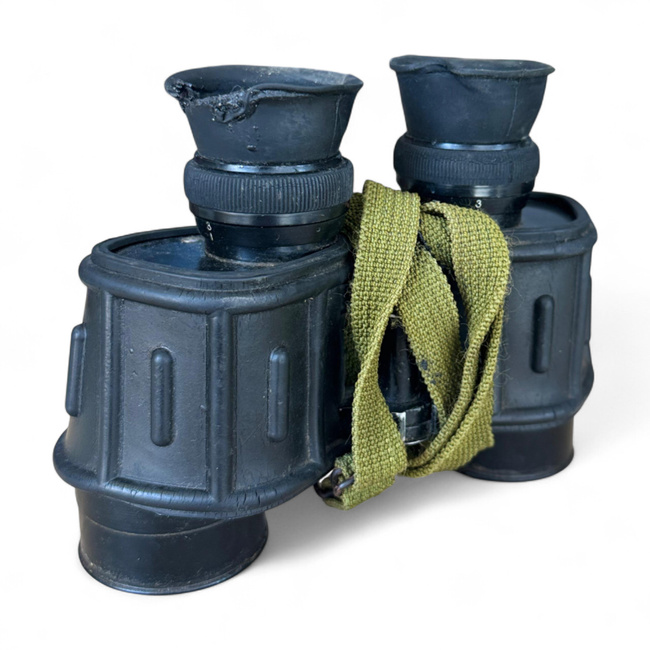
Durable tactical binocularsare built to survive tough use. They have rugged housings made of rubber or metal. Shockproof designs help protect them from drops or hits. Such models handle extreme cold, heat, or rough handling well. Perfect for harsh outdoor adventures or military use.
Credit: www.militarysurplus.eu
Frequently Asked Questions
Can Tactical Binoculars Resist Heavy Rain And Snow?
Yes, many tactical binoculars are waterproof and fog-proof. They use sealed O-rings and nitrogen purging to prevent moisture damage. This makes them reliable for heavy rain and snow conditions during outdoor activities.
Are Tactical Binoculars Durable In Extreme Cold Temperatures?
Tactical binoculars often feature rugged construction with rubber armor. This protects them from impacts and cold weather. High-quality models function well in freezing temperatures without lens fogging or mechanical failures.
Do Tactical Binoculars Perform Well In Hot, Humid Climates?
Yes, tactical binoculars designed for extreme weather handle heat and humidity efficiently. They include anti-fog coatings and moisture-resistant seals. This ensures clear vision and durability in tropical or humid environments.
How Do Tactical Binoculars Handle Dust And Sand Exposure?
Most tactical binoculars have dustproof designs with tight seals to block particles. Rubber armoring also helps protect against abrasions. These features allow use in dusty or sandy conditions without damage.
Conclusion
Tactical binoculars often handle tough weather well. They resist rain, fog, and cold with strong materials. Many models have waterproof and fog-proof features. Still, not all are equally tough. Choose ones made for harsh use and check product details. Proper care helps them last longer in bad weather.
Good binoculars keep your view clear in storms or snow. They make outdoor activities safer and more fun. Pick the right pair to trust in extreme conditions.