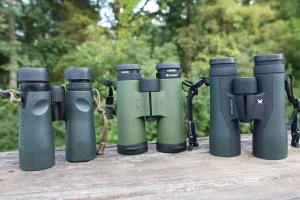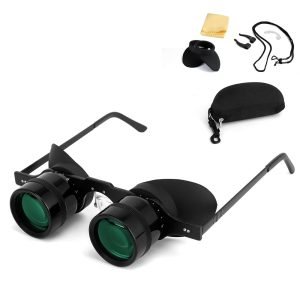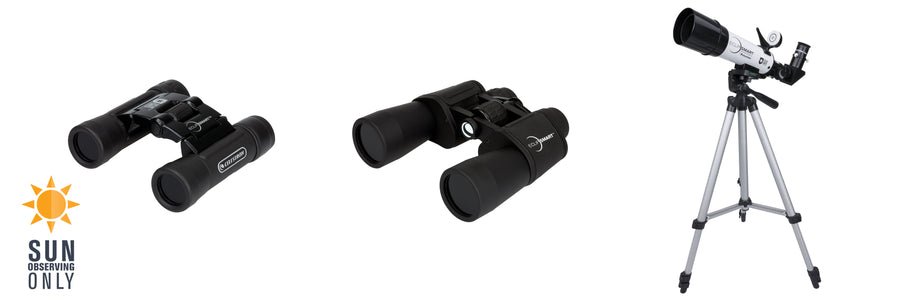
Have you ever wished you could get closer to wild animals without disturbing them? Using binoculars for remote wildlife watching lets you do just that.
With the right techniques, you can spot birds, deer, or even elusive creatures from a distance, making your outdoor experience more exciting and rewarding. You’ll discover simple tips to use your binoculars like a pro and enjoy nature like never before.
Ready to sharpen your skills and unlock the hidden world around you? Keep reading to find out how.
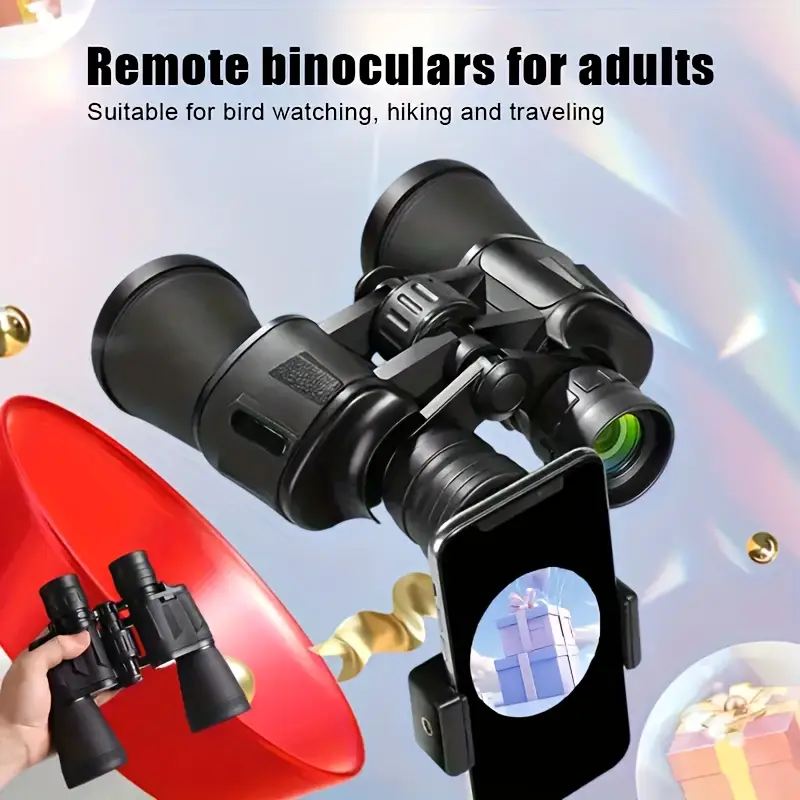
Credit: www.temu.com
Choosing The Right Binoculars
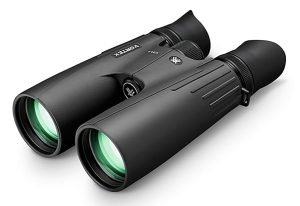
Binoculars have different magnification levels. Higher magnification shows closer views. But, too much magnification can make images blurry. Lens size matters too. Bigger lenses allow more light. This helps in low lightconditions. Choose lenses that fit your needs.
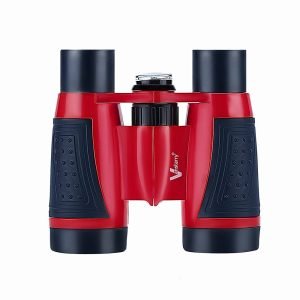
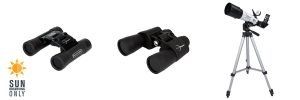
- Compact Binoculars: Small, easy to carry.
- Full-size Binoculars: Better for seeing far.
- Zoom Binoculars: Change magnification as needed.
Some binoculars have special waterproof designs. These are great for rainy days. Fogproof featureskeep lenses clear in humid places. These features help when watching animals in nature.

Credit: www.instagram.com
Setting Up Your Binoculars
Adjust the eyecups to match your eye type. If you wear glasses, keep the eyecups folded down. If you don’t wear glasses, extend the eyecups fully. This helps you see the full view without dark edges.
To focus, first close your right eye and look through the left lens. Turn the center wheel until the image is sharp. Then, close your left eye and open your right eye.
Use the diopter ring on the right eyepiece. Adjust it until the view is clear for your right eye. This step balances the focus between both eyes.
Techniques For Stable Viewing
Hold binoculars firmly with both hands to keep them steady. Rest your elbows against your chest or a solid surface for extra support. This reduces shaking and helps you see clearly.
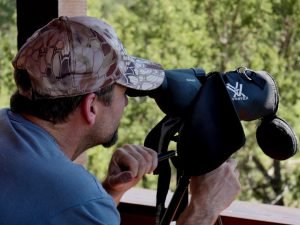
Using a tripod or another support can greatly improve stability. Attach the binoculars to a tripod when possible. This keeps your view steady for a long time without fatigue.
Control your breathing by taking slow, calm breaths. Hold your breath briefly while looking through the binoculars to reduce movement. Stand or sit in a relaxed position to stay steady.

Credit: www.countryliving.com
Finding And Tracking Wildlife
Start by slowly scanning the area with your binoculars. Move your eyes side to side and up and down. Look for any quick or subtle animal movementslike rustling leaves or shifting shadows.
Spotting a tiny motion can help you find hidden wildlife. Pay close attention to colors and shapes that stand out from the background.
- Keep your binoculars steady for a clear view.
- Follow the animal’s movement gently without jerking.
- Stay quiet to avoid scaring the animal away.
Use smooth, slow motions to track subjects. This helps keep the animal in view and avoids sudden shifts. Practice patience to enjoy the full experience of wildlife watching.
Care And Maintenance Tips
Cleaning lensesis key for clear views. Use a soft brush or air blower first. This removes dust without scratching. Then, gently wipe lenses with a microfiber cloth. Avoid using tissues or clothes that can cause damage. Use lens cleaner made for optics only. Do not spray cleaner directly on lenses; apply it on the cloth.
Proper storagekeeps binoculars safe and dry. Always store them in a padded case. Keep the case in a cool, dry place to avoid mold. Avoid leaving binoculars in direct sunlight or damp areas. Use silica gel packs inside the case to absorb moisture.
Regular inspectionhelps find problems early. Check for loose screws and tighten them carefully. Look for cracks or damage on the lenses and body. Test the focus and adjust if needed. Clean any dirt or mud from the outer parts. Fix small issues before they become big problems.
Frequently Asked Questions
How Do Binoculars Improve Wildlife Watching Experience?
Binoculars enhance wildlife watching by magnifying distant animals. They offer clear, detailed views without disturbing wildlife. This helps observe behaviors and identify species from afar safely and comfortably.
What Magnification Is Best For Remote Wildlife Viewing?
A magnification of 8x to 10x is ideal for remote wildlife watching. It balances image clarity and field of view. Higher magnifications can cause shaky images and narrow views.
How To Choose The Right Binoculars For Wildlife?
Choose binoculars with good magnification, wide field of view, and waterproof features. Lightweight and durable models are best for outdoor use. Look for quality optics and comfortable grips.
Can Binoculars Work Well In Low Light Conditions?
Yes, binoculars with larger objective lenses (40mm or more) gather more light. This improves visibility during dawn, dusk, or shaded areas. Quality lenses and coatings also enhance low-light performance.
Conclusion
Using binoculars lets you see wildlife from a safe distance. Choose the right pair and practice steady holding. Focus carefully to enjoy clear, close-up views of animals. Stay quiet to avoid scaring wildlife away. Remember, patience helps you spot more animals.
Enjoy nature’s beauty without disturbing it. With these tips, your wildlife watching trips will be more fun and rewarding. Keep exploring, observing, and appreciating the wild world around you.