If you love exploring the wild, you know how important your binoculars are. They bring distant animals and breathtaking views right to your eyes.
But what if your binoculars stop working properly when you need them most? You don’t want to miss that rare moment because of a dirty lens or a foggy view. That’s why taking care of your binoculars is key to every long wildlife trip.
You’ll discover simple and effective ways to keep your binoculars in top shape. Follow these tips, and you’ll enjoy clear, sharp views every time you head out into nature. Ready to protect your gear and make the most of your adventures? Let’s dive in!

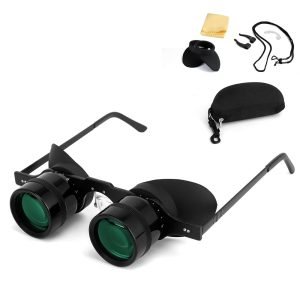
Credit: www.amazon.in
Choosing Durable Binoculars
Durable binoculars need regular cleaning to keep lenses clear and free from dust. Store them in a protective case to avoid damage during trips. Always check for moisture and wipe with a soft cloth to maintain performance.
Material And Build Quality
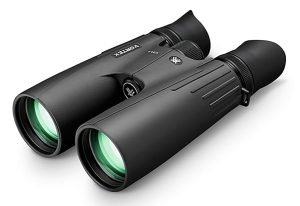
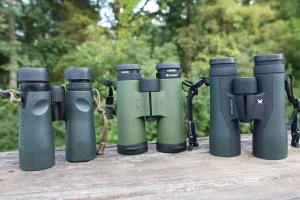
Strong binoculars use tough materials. Metal frames are sturdier than plastic. Rubber coating gives better grip and protection. High-quality glass ensures clear vision. Check for scratch-resistant lenses. Durable binoculars last longer on wildlife trips.
Waterproof And Fogproof Features
Wildlife trips can have rain and fog. Waterproof binoculars resist water damage. Fogproof models prevent lens fogging. Look for binoculars with sealed bodies. O-ring seals keep water out. Nitrogen gas inside stops fogging. These features protect your binoculars.
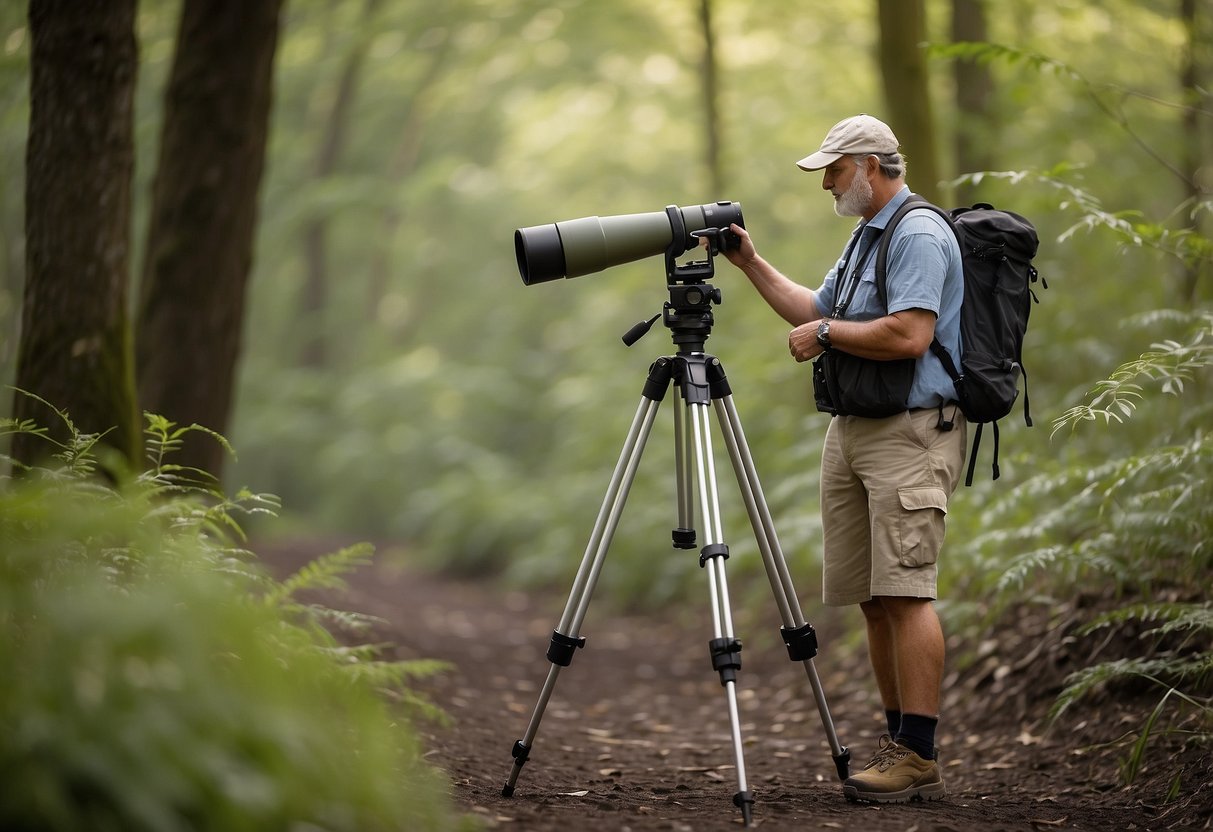
Credit: shopeverbeam.com
Cleaning Techniques
Use a soft brush or air blower to remove dust from lenses.
Apply a small drop of lens cleaner to a microfiber cloth, never directly on lenses.
Gently wipe lenses in a circular motion to avoid scratches.
For tough dirt, dampen the cloth slightly with water before cleaning.
Clean the binocular body with a damp cloth and mild soap solution.
Avoid harsh chemicals that can damage the surface or coatings.
Wipe eyecups carefully to remove oils and dirt from skin contact.
Fold eyecups when not in use to protect lenses and keep dirt away.
Proper Storage Tips
Using a protective caseis key to keeping binoculars safe. It shields them from dust, dirt, and scratches. Choose a case that fits snugly and offers padding. Soft cases are light but hard cases provide better protectionduring travel.
Avoid exposing binoculars to extreme temperatures. Very hot or cold weather can damage lenses and internal parts. Store binoculars in a cool, dry placewhen not in use. Never leave them in a car on hot days or outside in freezing cold.

Credit: www.amazon.in
Handling And Usage
Carry binoculars using a neck strap or padded case for safety. Avoid dropping or banging them against hard surfaces. Always hold binoculars with both hands to keep a firm grip. Store them in a dry place when not in use to prevent moisture damage.
Adjust the focus slowly to avoid straining the lenses. Use the central focus wheel for sharp images. Turn the diopter ring to match your eyesight for clear viewing. Avoid forcing any parts; gentle adjustments keep binoculars working well.
Routine Maintenance Checks
Check binoculars carefully for any cracks or scratches. Look at lenses and body for damage. Small cracks can let dirt or water inside. This can harm the binoculars during trips. Tighten loose screws to keep parts steady. Use a soft cloth to wipe dust and dirt away.
Use special lubricant to keep moving parts smooth. Do not use oil or grease from home. These can damage the binoculars. Apply a little lubricant to the focus wheel and hinges. Move parts gently to spread the lubricant evenly. Wipe off any extra to avoid dust build-up.
Troubleshooting Common Issues
Fogginghappens when moisture gets inside the lenses. Keep binoculars in a dry place. Use silica gel packs in your storage case to absorb moisture. Wipe lenses gently with a soft, dry cloth. Avoid breathing or touching lenses directly. For quick fixes, use anti-fog wipes designed for optics.
Mechanical problems may include stiff focus knobs or loose parts. Regularly clean the binoculars to remove dirt and dust. Use a small brush or compressed air for tight spots. Tighten any loose screws carefully. If the focus is hard to turn, apply a tiny drop of lubricant on the moving parts. Avoid forcing stuck components to prevent damage.
Frequently Asked Questions
How Often Should I Clean My Binocular Lenses?
Clean lenses after every trip or when visibly dirty. Use a soft brush or microfiber cloth to avoid scratches. Avoid harsh chemicals; use lens cleaning solution for stubborn smudges. Regular cleaning ensures clear vision and extends the life of your binoculars.
What Is The Best Way To Store Binoculars During Trips?
Store binoculars in a padded case to protect from dust and impact. Keep them in a dry, cool place to prevent mold and moisture damage. Avoid leaving binoculars exposed to direct sunlight or extreme temperatures during wildlife trips.
How Can I Protect Binoculars From Moisture And Fogging?
Use silica gel packs in the storage case to absorb moisture. Keep binoculars dry by wiping off rain or dew immediately. Consider binoculars with fog-proof and waterproof features for long wildlife trips in humid environments.
Should I Lubricate Binocular Hinges And Focusing Mechanisms?
Yes, but sparingly. Use manufacturer-recommended lubricants to keep hinges and focus smooth. Over-lubrication can attract dirt and damage internal parts. Regular maintenance ensures smooth operation and prevents mechanical wear during extended use.
Conclusion
Proper care keeps your binoculars ready for every wildlife trip. Clean lenses gently with a soft cloth to avoid scratches. Store them in a dry case to protect from dust and moisture. Check for loose parts before each trip and tighten if needed.
Regular maintenance extends their life and improves your viewing experience. Small habits make a big difference. Enjoy nature clearly and confidently on every adventure.