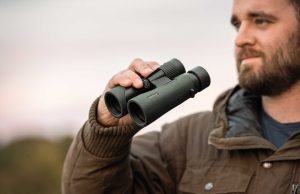
You rely on your surveillance binoculars to see details clearly and stay alert. But what happens when the lenses get dirty or smudged?
Your view becomes blurry, and you might miss crucial moments. Cleaning your binocular lenses the right way is key to keeping your vision sharp and your equipment in top shape. You’ll discover simple, effective steps to clean your surveillance binocular lenses safely.
By the end, you’ll know exactly how to maintain crystal-clear optics every time you use them. Keep reading to protect your gear and enhance your viewing experience.
Choosing The Right Cleaning Tools
Choose soft, lint-free cloths and gentle cleaning solutions to protect binocular lenses. Avoid harsh materials that can scratch or damage delicate surfaces. Using the right tools ensures clear, sharp images during surveillance.
Soft Cloths And Lens Tissues
Use soft clothsor lens tissuesfor cleaning binoculars. Hard cloths can scratch the lens. Always keep the cloth clean and dry. Dirty cloths leave marks on lenses. Lens tissues are very soft. They are safe for delicate surfaces. Always use a fresh tissue each time.
Lens Cleaning Solutions
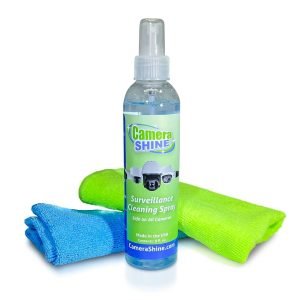
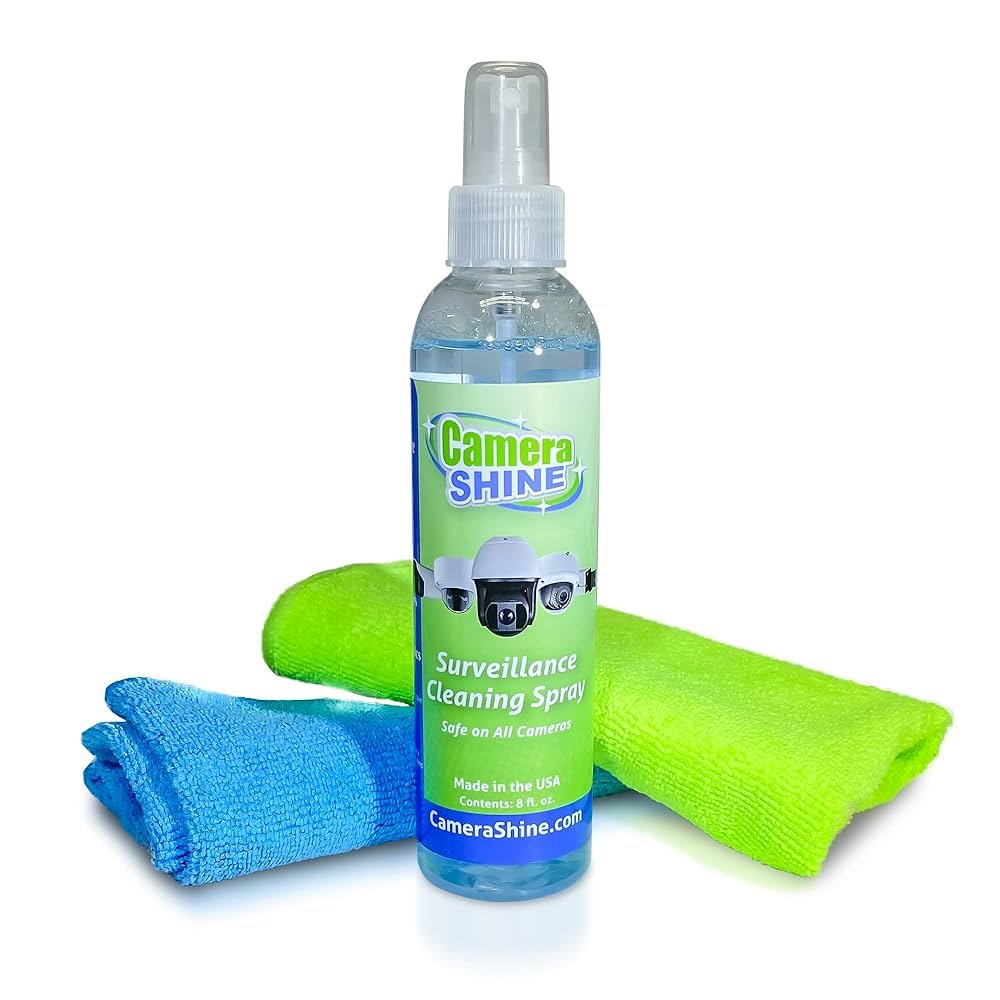
Use a lens cleaning solutionfor tough stains. Apply the solution to the cloth, not the lens. This prevents liquid from entering the binoculars. Make sure the solution is alcohol-free. Alcohol can damage lens coatings. Use a small amount to avoid streaks.
Avoiding Harmful Materials
- Never use glass cleaners on lenses.
- Avoid paper towels; they are too rough.
- Stay away from tissues with lotion.
- Do not use your shirt to clean lenses.

Credit: www.amazon.in
Preparing Your Binoculars
Start by holding the binoculars with clean hands. Avoid touching the lenses directly. Use a soft brush or a blower to remove dust and loose debris. Do this gently to prevent scratches.
Handle binoculars with care. Keep them steady on a soft surface while cleaning. Avoid pressing hard on the lenses. Store them in a case when not in use to keep them safe.
Step-by-step Lens Cleaning Process
Use a special lens cleaning solutionto avoid damage. Never apply liquid directly to lenses. Instead, put a few drops on a clean, soft cloth. This keeps the lenses safe from streaks and smudges.
Use gentle wiping techniquesto clean lenses. Wipe in a circular motion with a microfiber cloth. Avoid using paper towels or clothes with rough fibers. These can scratch the lenses easily.
Let the lenses dry properlyafter cleaning. Use a dry part of the cloth to remove any leftover moisture. Air drying in a clean, dust-free place is also a good idea. This prevents water spots and keeps lenses clear.

Credit: www.zdnet.com
Maintaining Lens Quality
Cleaning surveillance binocular lenses often keeps them clear and sharp. A regular cleaning schedulehelps avoid dirt build-up and scratches. Use a soft brush or air blower to remove dust gently. Apply lens cleaner with a microfiber cloth to wipe the lenses softly in a circular motion. Avoid harsh chemicals or rough fabrics that can damage the lens coating.
Proper storageis key to prevent lens damage. Always keep binoculars in a dry, cool place away from direct sunlight. Use a protective case to shield from dust and accidental drops. Store with lens caps on to guard against scratches and smudges. Check your storage area for moisture to avoid mold growth on lenses.
Common Mistakes To Avoid
Household cleanersoften contain harsh chemicals. These can damage the lens coating. Use only cleaners made for optics or lens tissues. Avoid wipes with alcohol or ammonia.
Applying too much pressurecan scratch lenses. Always use a soft clothand gentle strokes. Let dirt fall off naturally before wiping.
Neglecting lens covers invites dust and scratches. Always keep covers on when not using binoculars. This helps protect lensesfrom damage and dirt.

Credit: www.kentfaith.com
When To Seek Professional Help
Signs of lens damageinclude visible scratches, cracks, or foggy spots on the lenses. If the lens surface looks uneven or has dirt that won’t wipe off, damage may have occurred. Trouble focusing or blurry images can also indicate lens problems. Avoid using harsh chemicals or rough materials to clean the lenses. Persistent smudges or stains that resist gentle cleaning might mean internal damage.
Professional cleaning servicesuse special tools and solutions to safely clean lenses without causing harm. They can fix small scratches and remove dirt from hard-to-reach places. Professionals also check the lens for damage and fix issues before they get worse. Seeking expert help ensures your binoculars stay clear and last longer. This service is especially useful for valuable or high-end models.
Frequently Asked Questions
How Often Should I Clean Surveillance Binocular Lenses?
Clean your binocular lenses after every use or when visibly dirty. Regular cleaning maintains clarity and prevents damage from dust and oils. Avoid over-cleaning, which can wear out lens coatings.
What Tools Are Best For Cleaning Binocular Lenses?
Use a soft microfiber cloth, lens cleaning solution, and a blower brush. Avoid rough materials that can scratch the lenses. Always use products designed specifically for optics.
Can Household Cleaners Damage Surveillance Binocular Lenses?
Yes, household cleaners can harm lens coatings and affect clarity. Always use lens-specific cleaning solutions to protect the binocular’s optical quality and ensure long-term durability.
How Do I Remove Stubborn Dirt From Binocular Lenses?
Gently use a blower brush to remove loose dirt first. Then apply lens cleaner on a microfiber cloth to wipe softly in circular motions. Avoid pressing too hard to prevent scratches.
Conclusion
Cleaning your surveillance binocular lenses keeps your view clear and sharp. Use soft cloths and gentle cleaners to avoid scratches. Regular care helps your binoculars last longer and work better. Dirt and smudges can block your sight. Take your time and clean carefully for the best results.
Clear lenses make observing easier and more enjoyable. Keep your binoculars ready for every important moment. Simple steps bring big improvements.