If you love exploring wildlife up close, you know how important binoculars are. But carrying them safely on rugged trips can be tricky.
One wrong move, and your binoculars could get scratched, damaged, or even lost. How can you keep your gear secure while staying comfortable and ready to spot amazing animals? You’ll discover simple, practical tips to carry your binoculars safely, so you never miss a moment in the wild.
Keep reading to protect your gear and enjoy your adventure with confidence.
Choosing The Right Binoculars
Carrying binoculars securely protects them from damage during rugged wildlife trips. Use padded cases and strong straps to keep them close and safe. Avoid loose handling to prevent scratches and drops in rough terrain.
Durability And Build Quality
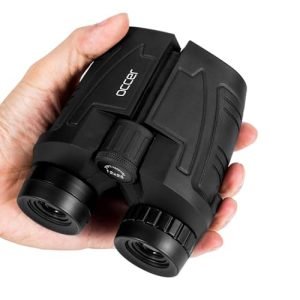
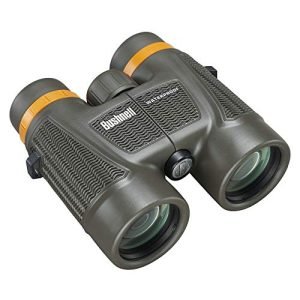
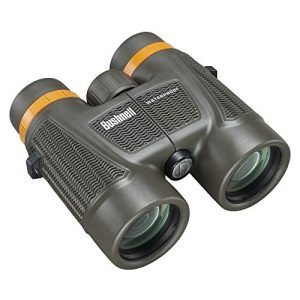
Binoculars need to be strong for outdoor adventures. Look for sturdy materialsthat can withstand bumps and falls. Rubber coating adds extra protection and grip. Check for solid constructionthat resists damage.
Waterproof And Fogproof Features
Nature trips can be wet. Binoculars should be waterproofto handle rain. Fogproof features keep lenses clear in humid places. This ensures you see clearly in all weather conditions.
Size And Weight Considerations
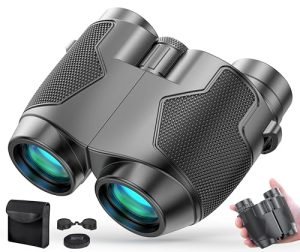
Lightweight binoculars are easier to carry. Choose a size that fits well in your hands. Large ones might be heavy for long hikes. Compact designs are better for quick access. Balance size with comfortand portability.
Selecting Suitable Carrying Gear
Carrying strapscome in many types. Neck straps are simple and light. They keep binoculars close but can strain your neck on long trips. Shoulder straps spread weight better and offer more comfort. Padded straps reduce pressure and stop chafing. Adjustable straps fit different body sizes easily.
Using protective caseshelps keep binoculars safe from dust and shocks. Hard cases give the best protection but can be heavy. Soft covers are lighter and protect against scratches. Waterproof covers guard against rain and mud.
Harnesses and chest packsoffer hands-free carrying. Harnesses distribute weight evenly across shoulders and back. Chest packs keep binoculars within easy reach and protect them well. They also allow quick access without removing the pack.
Proper Carrying Techniques
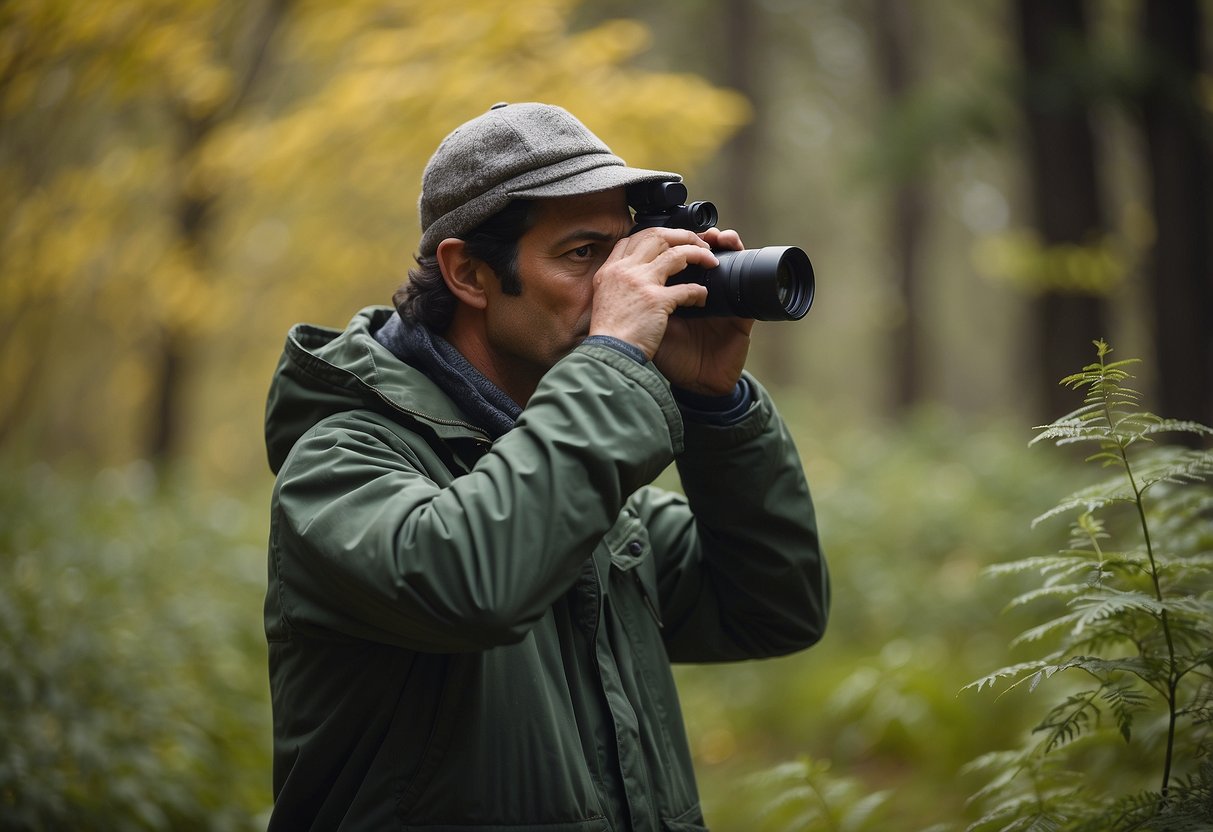
Keep binoculars close to your body to avoid swinging. Use a sturdy neck or shoulder strap to hold them firmly. Choose straps with padding to reduce neck pressure and improve comfort during long trips.
Protect lenses by using caps and covers. Store binoculars in a padded case when not in use. Avoid dropping or hitting them against rocks or branches to prevent damage and scratches.
| Strap Adjustment | Benefit |
|---|---|
| Tighten strap near chest | Prevents bouncing while walking |
| Loosen strap when resting | Improves comfort and air flow |
| Adjust length for quick access | Makes viewing easier and faster |
Credit: shopeverbeam.com
Maintenance While On The Trail
Use a soft microfiber cloth to clean binocular lenses gently. Avoid using rough materials that can scratch the glass. Blow away loose dirt with a lens blower before wiping. For stubborn spots, dampen the cloth slightly with lens cleaner. Never apply liquid directly to the lenses.
Keep binoculars in a protective case to shield from dust and moisture. Use silica gel packs inside the case to absorb moisture. Avoid storing binoculars in damp places. Cover binoculars with a rain cover during wet weather. Always dry binoculars quickly if they get wet.
| Check Item | What to Look For |
|---|---|
| Lens Condition | Scratches, smudges, or dirt |
| Focus Mechanism | Smooth, no stiffness |
| Straps and Mounts | Secure, no frays or breaks |
| Seals and Covers | Intact, no cracks or gaps |
Safety Tips For Rugged Terrain
Binoculars can catch on branches or straps during rugged trips. Use a smooth, slim strap to reduce snags. Keep straps tight but not too tight to avoid entanglements. Cover lenses with caps to protect them from dirt and damage.
Balance is key between easy reach and keeping binoculars safe. Attach them to your chest or neck using quick-release clips. This keeps binoculars secure but lets you grab them fast.
| Emergency Storage Options | Benefits |
|---|---|
| Hard-shell case | Protects from drops and pressure |
| Waterproof pouch | Keeps binoculars dry in rain |
| Backpack compartment | Safe storage when not in use |
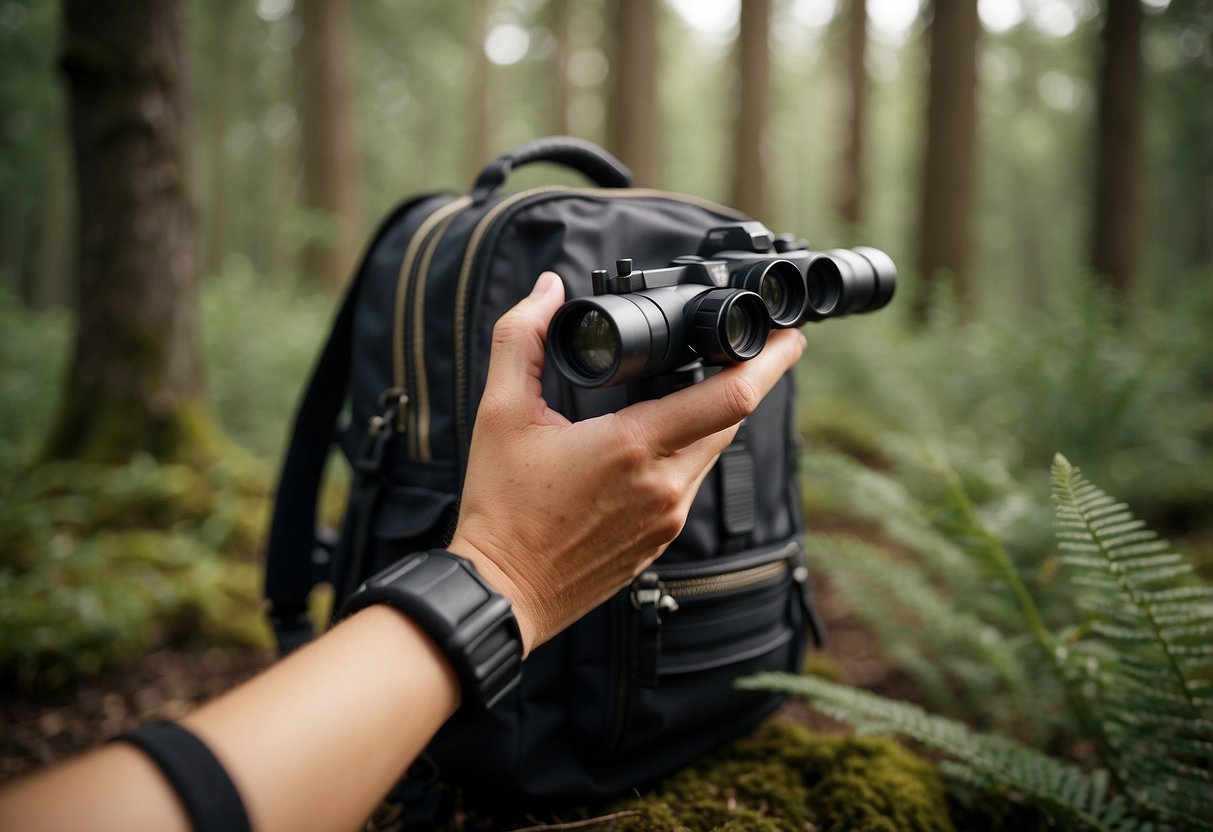
Credit: shopeverbeam.com

Credit: www.instagram.com
Frequently Asked Questions
How To Prevent Binoculars From Damage During Wildlife Trips?
Use a sturdy, padded case to protect binoculars from shocks. Secure straps tightly to avoid swinging. Avoid placing them where they can fall or get crushed. Always clean lenses before packing to prevent scratches.
What Is The Best Way To Carry Binoculars On Rugged Trails?
Use a neck or chest harness to keep binoculars close and stable. This prevents bouncing and reduces hand fatigue. Choose adjustable straps for comfort and quick access during your wildlife adventure.
Should Binoculars Be Covered When Not In Use Outdoors?
Yes, always cover binocular lenses with caps or cloth. This protects them from dust, moisture, and scratches. Keeping lenses clean ensures clear viewing and prolongs binocular lifespan on rugged trips.
Can Binocular Straps Cause Discomfort On Long Trips?
Unpadded straps may cause neck or shoulder pain. Use padded, wide straps or harness systems for better weight distribution. Adjust straps to avoid strain and improve comfort during extended wildlife excursions.
Conclusion
Carrying binoculars safely protects your gear and your adventure. Use sturdy straps or cases to keep them secure. Avoid placing binoculars where they can fall or get scratched. Check your equipment often during the trip. Stay mindful of your surroundings and move carefully.
Safe handling lets you focus on the wildlife, not your gear. Keep your binoculars ready for clear views anytime. Simple care makes your wildlife trips more enjoyable and stress-free.