Your hiking binoculars are your window to the wild, offering clear views of distant landscapes and wildlife. But what happens when your eyepieces get dirty or smudged?
Suddenly, your once-sharp images become blurry and frustrating. You might think cleaning them is tricky or risky, but it doesn’t have to be that way. In this guide, you’ll discover simple, safe steps to clean your eyepieces effectively. Keep reading, and you’ll learn how to restore crystal-clear vision on every outdoor adventure.
Credit: www.popsci.com
Choosing The Right Cleaning Tools
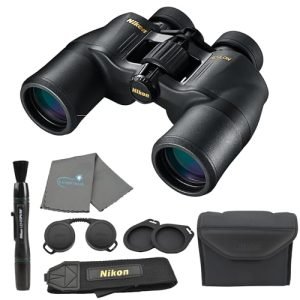
Selecting soft microfiber cloths and gentle cleaning brushes helps protect eyepiece lenses from scratches. Using proper cleaning solutions designed for optics ensures clear, streak-free views. Avoid rough or abrasive materials to keep binoculars in good condition during hikes.
Soft Microfiber Cloths
Soft microfiber cloths are great for cleaning lenses. They are gentle and won’t scratch. Use them to wipe away dust and dirt carefully. Always keep your cloths clean for best results.
Lens Cleaning Solutions
Use lens cleaning solutions to remove smudges. These solutions are safe for glass. Apply a small amount to the cloth, not directly on the lens. This ensures safe and effective cleaning.
Air Blowers And Brushes
- Air blowers remove dust without touching the lens.
- Brushes help in cleaning corners and edges.
- Use gently to avoid damaging the lens surface.

Credit: zarimex.eu
Preparing Your Binoculars For Cleaning
Start by gently removing loose dirt and dustfrom the eyepieces. Use a soft brush or a clean, dry cloth. Avoid rubbing hard to prevent scratches. Blowing air with a hand blower can help remove particles without touching the lens.
Protect the special coatingson the lenses. These coatings improve image quality but can be damaged easily. Never use rough materials or strong chemicals. Use only lens cleaning solutions designed for coated optics. Always apply cleaning fluid to the cloth, not directly to the lens.
Step-by-step Cleaning Process
Use an air blowerto gently remove dust and small dirt from eyepieces. Avoid blowing with your mouth to stop moisture buildup. Hold the binoculars steady and blow air from a few inches away. This clears loose debris without touching the lens surface.
Apply a few drops of cleaning solutionmade for optics on a microfiber cloth. Never put the solution directly on the eyepiece lens. This prevents damage or streaks. Use a solution that is safe for coated lenses to keep optics clear.
- Use a soft microfiber clothto wipe gently.
- Wipe in small circles starting from the center of the lens.
- Do not press hard to avoid scratches.
- Repeat if needed but keep the cloth clean.

Credit: www.amazon.com
Dealing With Stubborn Smudges And Stains
Use a soft, lint-free cloth to gently dab the smudge. Avoid rubbing hard as it may scratch the lens.
For stubborn stains, apply a small drop of lens cleaner to the cloth, not directly on the eyepiece. Wipe in a circular motion, starting from the center.
Blow away dust first using a hand blower or gently brush with a soft brush. This prevents scratching during cleaning.
- Clean only when you see smudges or dirt.
- Repeat spot cleaning if stains remain after the first try.
- Use gentle motions to protect lens coatings.
- Avoid frequent cleaning to keep lenses safe.
Maintaining Eyepieces On The Trail
Keep a soft brush or air blower handy to remove dust and dirt. Use a clean microfiber cloth to wipe the eyepieces gently. Avoid using tissues or rough fabrics that can scratch the lenses.
For stubborn smudges, slightly dampen the cloth with water or lens cleaner. Always wipe in small circles to avoid streaks. Never apply liquid directly on the eyepieces.
| Protecting Eyepieces from Elements | Tips |
|---|---|
| Keep Covers On | Use lens caps when not in use to block dust and moisture. |
| Store Properly | Place binoculars in a padded case during breaks or bad weather. |
| Avoid Touching Lenses | Oils from fingers can leave marks and damage coatings. |
| Use a Rain Guard | Protect lenses from water drops during rain or dew. |
Avoiding Common Cleaning Mistakes
Harsh chemicalscan damage the eyepiece coatings. Use only cleaning solutionsmade for optics. Avoid household cleaners or alcohol.
Scrubbing too hardcan scratch the lenses. Gently wipe with a soft microfiber cloth. Light pressure is enough to remove dirt.
Follow the manufacturer’s guidelinesclosely. Each brand may have specific cleaning instructions. Ignoring these can void your warranty or harm the binoculars.
Frequently Asked Questions
How Often Should I Clean Hiking Binocular Eyepieces?
Clean eyepieces after every few hikes or when visibly dirty. Frequent cleaning prevents dirt buildup and ensures clear viewing. Avoid over-cleaning to protect lens coatings. Regular maintenance extends binocular life and enhances your hiking experience.
What Materials Are Safe For Cleaning Binocular Eyepieces?
Use microfiber cloths, lens cleaning solutions, or lens wipes designed for optics. Avoid rough materials like paper towels or clothing. These can scratch lenses and damage coatings. Proper materials keep eyepieces clear and scratch-free.
Can I Use Household Cleaners On Binocular Eyepieces?
No, household cleaners contain harsh chemicals that can damage lens coatings. Always use specialized lens cleaning solutions or water with mild soap. Gentle cleaning protects optical quality and prevents permanent damage.
How Do I Remove Stubborn Dirt From Eyepieces?
Blow off loose dust with a soft air blower first. Then, gently wipe with a damp microfiber cloth and lens cleaner. Avoid scrubbing hard to prevent scratches. This method safely removes dirt without harming lenses.
Conclusion
Keeping your hiking binoculars’ eyepieces clean improves your view. Use a soft brush or cloth to remove dust gently. Avoid harsh chemicals that might damage lenses. Regular cleaning helps your binoculars last longer. Clean eyepieces give clearer images on every hike.
Take care of your gear and enjoy nature fully. Simple steps make a big difference in your experience. Clean lenses mean better sights and more fun outdoors.