Are you ready to see wildlife like never before? Choosing the right binoculars can make all the difference between a blurry glimpse and a crystal-clear view.
But with so many options out there, how do you know which features really matter? You’ll discover the key things to look for in wildlife binoculars—so you can enjoy every detail of nature’s beauty. Keep reading, and you’ll be one step closer to the perfect pair that fits your needs and makes every outdoor adventure unforgettable.
Credit: www.outdoorlife.com
Magnification And Lens Size
Wildlife binocularsneed the right magnification for clear views. High magnification might shake images. A balanceis essential for steady viewing. Common magnificationis 8x or 10x. Both are good for stability. It is easy for kids to use too.
Powerful binocularscan be hard to hold steady. A tripod helps keep them stable. Lower magnification is easier to manage. It lets you see more without shaking. This makes watching wildlife fun and easy.
Objective lens size matters. Bigger lenses gather more light. This helps in low light settings. Common sizesare 32mm and 42mm. Bigger lenses can be heavier. Choose what you can carry easily. Kids should pick lighter binoculars for comfort.
Field Of View
Wide viewsshow more area at once. They help find animals faster. Good for moving wildlife.
Narrow viewsfocus on smaller areas. They give more detail and make animals look closer.
Wide views are best for spotting birds in trees or open fields. Narrow views suit watching one animal closely.
Choose field of view based on the wildlife and place you visit. A wider view can catch quick movements.
Remember, a wider field may reduce sharpness at edges. Narrow fields keep images clearer but limit sight area.
Image Clarity And Brightness
Lens coatingshelp reduce glare and improve light transmission. This makes the image clearer and brighter. Coatings also protect lenses from scratches and dirt. Some common coatings include:
- Anti-reflective coating
- Water-repellent coating
- Scratch-resistant coating
These coatings work together to give better viewing in low lightor bright sunlight. The quality of coatings affects how sharp and colorful the image looks.
| Prism Type | Features | Impact on Quality |
|---|---|---|
| Roof Prism | Compact design, lightweight | Sharper image, more durable |
| Porro Prism | Bulkier, wider body | Better depth perception, brighter image |
Choosing the right prism helps improve image brightness and clarity. Both prism types have pros and cons. The choice depends on what is most important to you.
Durability And Weather Resistance
Wildlife binoculars must have waterproofand fogprooffeatures. These protect lenses from rain and humidity. You can use them in wet or cold weather without worry.
A rugged buildensures the binoculars handle rough outdoor use. Look for strong materials like rubber coating. It helps absorb shocks and prevents damage from drops.
- Waterproof:Keeps water out during rain or splashes.
- Fogproof:Stops inside lenses from fogging up in cold weather.
- Rubber coating:Protects against bumps and drops.
- Strong frame:Holds up in rough conditions.
Eye Relief And Comfort
Eye reliefis the distance between your eye and the binocular lens. It matters a lot for people who wear glasses.Binoculars with a longer eye relief allow glasses wearers to see the full view clearly without moving too close.
Look for binoculars with at least 15mm eye reliefif you wear glasses. This helps reduce eye strain and gives a more comfortable view.
- Adjustable eyecupslet you change the distance to fit your eyes and glasses perfectly.
- Soft, rubberized eyecups add comfort and prevent light from leaking in.
Ergonomic design is important for long wildlife watching trips. Choose binoculars that fit well in your hands and feel balanced.
- Textured grips prevent slipping, even when hands are wet.
- Lightweight models reduce arm fatigue and make carrying easier.
- Compact sizes fit easily into bags or pockets.
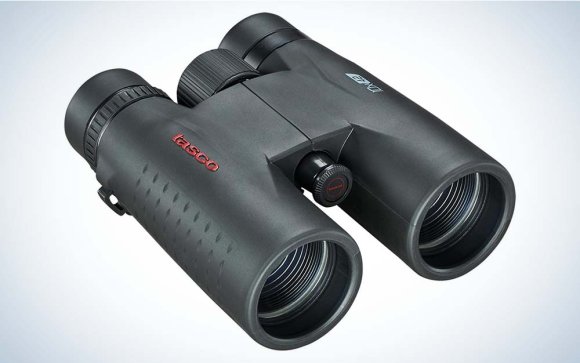
Credit: www.popsci.com
Weight And Portability
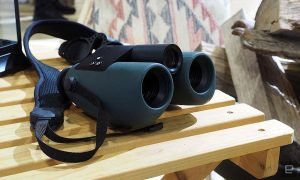
Weightis a key factor for wildlife binoculars. Light binoculars are easy to carry for long hours. But very light models may lose some performancelike image quality or durability.
Finding the right balancebetween lightness and performance is important. Binoculars should feel comfortable around the neck and in hands. They must not tire the user quickly during hikes.
Compact modelsare great for travel. They fit easily in bags and pockets. Compact binoculars often weigh less and take less space. Still, they provide good magnificationand clear images.
- Lightweight design for easy carrying
- Strong build for outdoor use
- Compact size for travel convenience
- Good image quality despite small size
- Comfortable grip and easy handling
Additional Features
Focus mechanismshelp you see animals clearly. Some binoculars have a central focus wheelthat is easy to turn. Others offer individual eyepiece focusfor sharper views. Choose based on comfort and ease of use.
Tripod compatibilityis useful for steady viewing. It helps reduce hand shakiness during long observations. Many binoculars have a threaded socketfor attaching to a tripod. This feature is great for watching distant wildlife.
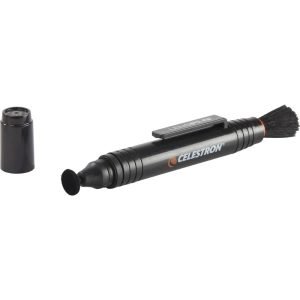
Protective accessorieskeep binoculars safe. Look for carrying casesthat protect from dust and drops. Lens coversprevent scratches. Some models come with rain guardsto keep lenses clear in wet weather.

Credit: www.popsci.com
Frequently Asked Questions
What Magnification Is Ideal For Wildlife Binoculars?
A 8x to 10x magnification is ideal for wildlife binoculars. It provides clear close-up views without losing stability. Higher magnifications can be shaky and harder to focus.
How Important Is Lens Quality In Wildlife Binoculars?
Lens quality is crucial for sharp, bright images in low light. Look for fully multi-coated lenses to enhance light transmission and reduce glare.
Should Wildlife Binoculars Be Waterproof And Fog-proof?
Yes, waterproof and fog-proof features protect binoculars from weather elements. They ensure durability and clear vision during rain or humidity.
What Field Of View Suits Wildlife Observation?
A wide field of view (over 300 feet at 1000 yards) helps track moving animals easily. It offers a broader viewing area for quick spotting.
Conclusion
Choosing the right wildlife binoculars makes a big difference. Focus on clarity, size, and comfort. Bright images help you see animals clearly. A lightweight design keeps you comfortable on long walks. Durable materials protect your binoculars outdoors. Good eye relief suits those who wear glasses.
Don’t forget easy focus and a wide view. These features make wildlife watching more fun and rewarding. Take your time to pick binoculars that fit your needs. Enjoy every moment in nature with the right gear.