Are you wondering how to keep your camping binoculars safe and ready to use after winter? If you’ve invested in good binoculars, you know they need special care when the cold months arrive.
Storing them the right way protects your gear from damage, so you don’t face blurry views or costly repairs next season. You’ll discover simple, effective tips to store your binoculars during winter. Follow these steps to ensure your binoculars stay in perfect condition and ready for your next adventure.
Keep reading to learn exactly what you need to do!
Cleaning Binoculars Before Storage
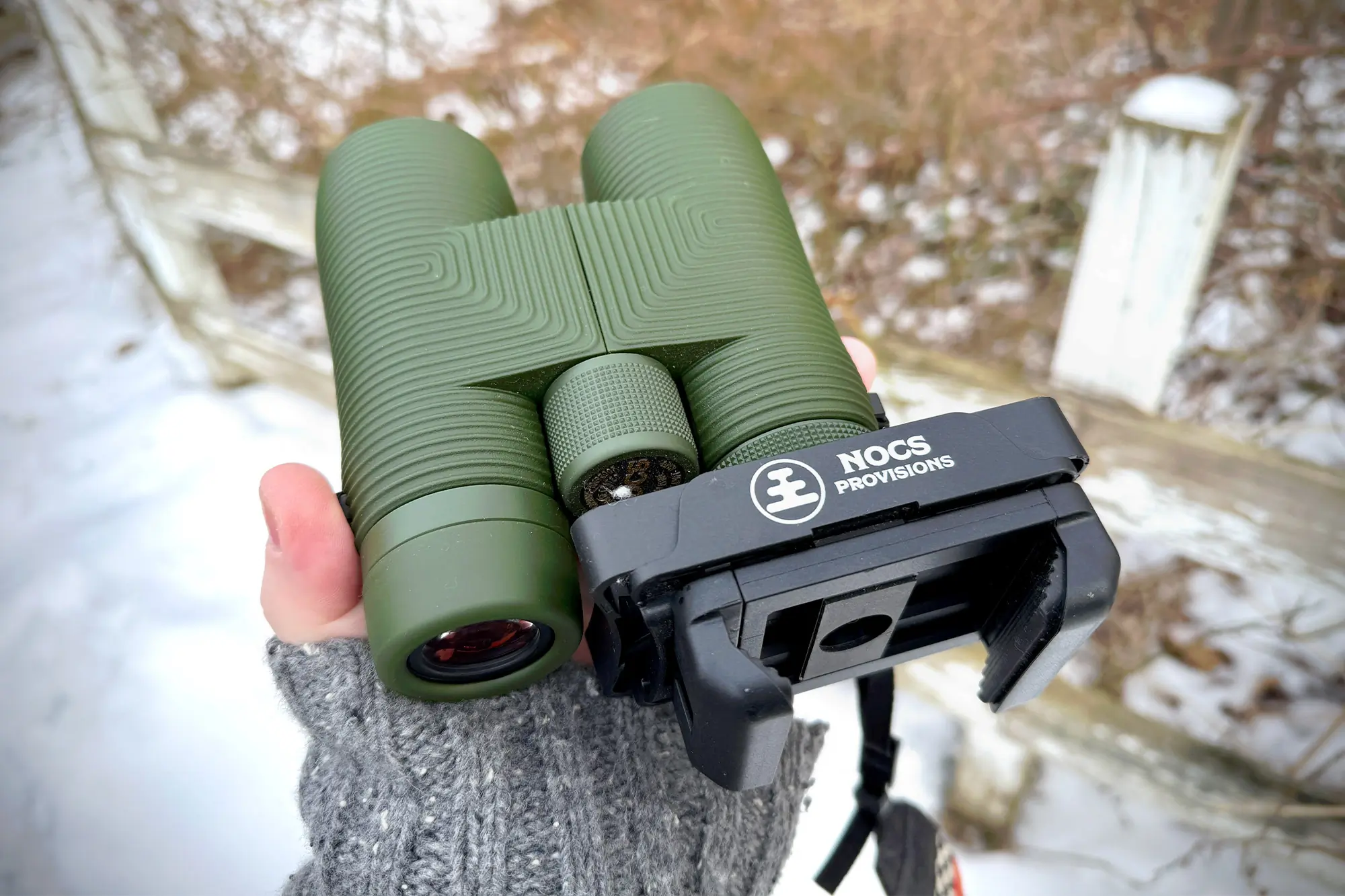
Start by gently wiping the binoculars with a soft, dry cloth. This removes dust and dirt from the lenses and body. Use a lens cleaning solution made for optics if there are stubborn smudges. Apply the solution to the cloth, not directly on the lenses.
Check the binoculars for any moisture. Dry them completely to prevent mold or damage during storage. Avoid using paper towels, as they can scratch the lenses.
- Use a soft brush or air blower to remove dirt from small crevices.
- Clean the eyecups and focus wheel carefully.
- Ensure all parts are dry before storing.
Credit: gearjunkie.com
Choosing The Right Storage Location
Store binoculars in a place with steady, moderate temperature. Avoid spots that get too hot or too cold. Extreme temperatures can damage lenses and seals.
Keep binoculars away from windows or heaters. A closet inside the house is a good choice.
- Humidity can cause mold and fog inside lenses.
- Use silica gel packs to absorb moisture.
- Place binoculars in a sealed container or bag with these packs.
- Check storage area for dampness regularly.
Using Protective Cases
Hard casesoffer strong protection against drops and impacts. They keep binoculars safe from heavy pressure and rough handling. These cases often have a rigid shell made from plastic or metal. Inside, they usually have foam paddingthat cushions the binoculars. This padding prevents scratches and damage during storage or travel.
Soft casesare lighter and easier to carry. They protect binoculars from dust and light bumps. Made from fabric or neoprene, soft cases are less bulky. However, they do not protect well against heavy impacts or crushing. They are best for short storage or when you carry binoculars inside a backpack.
| Feature | Hard Cases | Soft Cases |
|---|---|---|
| Protection Level | High (drops, impacts) | Moderate (dust, light bumps) |
| Weight | Heavier | Lighter |
| Portability | Bulkier | Compact |
| Padding | Thick foam | Thin or no padding |
Extra paddinginside cases adds protection. Use soft cloth or foam inserts. Wrap binoculars carefully to stop scratches. Padding helps during cold winter storage when materials can get brittle.
Properly Sealing Binoculars
Proper sealingof binoculars is key to keep them safe during winter. Dust can scratch lenses and block light. Use a soft cloth to clean binoculars before storing. Then, place them in a dust-proof caseor a sealed plastic bag. This stops tiny dust particles from getting inside.
Moisture can cause fog and damage inside binoculars. Use silica gel packsor other moisture absorbers in the storage container. These remove wetness and keep the inside dry. Make sure the storage place is cool and dry to prevent mold and rust.
Regular Maintenance Checks
Check binoculars carefully for any cracks, scratches, or loose parts. Small damage can get worse in cold weather. Look at lenses and body for dirt or moisture. Clean lenses gently with a soft cloth.
Test binoculars by focusing on a nearby object. Make sure both lenses work well and images are clear. Check zoom and focus knobs move smoothly. Replace batteries if needed to avoid leaks.
Credit: sustainlifejournal.com
Storing Accessories And Manuals
Keep accessories and manuals in a dry, cool place to avoid damage. Store them in a sealed plastic bag or container to protect from dust and moisture. Avoid leaving paper manuals exposed to damp air to prevent mold growth.
Use small boxes or pouches to organize smaller items like lens cloths and straps. Label each container clearly for easy access. This keeps everything neat and ready for your next trip.
Preparing Binoculars For Use After Winter
Clean the lenses gently with a soft, dry cloth. Avoid using harsh chemicals or rough materials. Check for any dust or dirt stuck on the glass. Use a lens cleaning solution if needed, but apply it carefully. Make sure lenses are fully dry before storing or using the binoculars again.
Test all moving parts to ensure smooth operation. Rotate the focus wheel and adjust the eyepieces. Look through the binoculars at different distances. Confirm the images are clear and sharp. Check for any fogging or moisture inside the lenses.
Credit: gearjunkie.com
Frequently Asked Questions
How Should I Clean Binoculars Before Winter Storage?
Clean lenses gently with a microfiber cloth to avoid scratches. Remove dirt and moisture to prevent mold during storage. Use lens cleaner designed for optics. Clean the body with a dry cloth. Proper cleaning ensures longevity and clear vision after winter.
What Is The Ideal Storage Temperature For Camping Binoculars?
Store binoculars in a cool, dry place between 40°F and 70°F. Avoid extreme cold or heat, which can damage lenses and seals. Consistent temperature prevents condensation and mold growth inside the binoculars. This helps maintain optical performance and durability during winter.
Should I Use Silica Gel Packets When Storing Binoculars?
Yes, silica gel packets absorb moisture and keep the storage area dry. Moisture can cause lens fogging and mold inside binoculars. Place a few packets in the storage case or bag. Replace the packets regularly for effective moisture control in winter.
Is It Necessary To Remove Batteries Before Storage?
Yes, remove batteries to avoid leakage and corrosion during long storage. Battery leaks can damage internal components of binoculars. Store batteries separately in a cool, dry place. This step protects your binoculars and extends their lifespan during winter.
Conclusion
Storing your camping binoculars properly keeps them safe and ready to use. Keep them dry and clean before putting them away. Use a soft case or pouch to protect against dust and scratches. Avoid places with extreme cold or moisture.
Check your binoculars now and then during winter storage. Small care steps help your gear last longer. Ready for your next adventure with clear, sharp views!