Are you wondering if your tactical binoculars can handle wet conditions without failing you? Whether you’re out in the rain, near water, or in humid environments, knowing if your gear is truly waterproof can make all the difference.
Imagine relying on your binoculars during a critical moment, only to have water fog up the lenses or damage the internal components. You’ll discover what waterproof really means for tactical binoculars, how to spot the best models, and why this feature matters more than you might think.
Keep reading to ensure your next adventure won’t be cut short by unexpected water damage.
Tactical Binoculars Explained
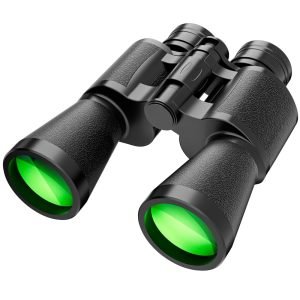
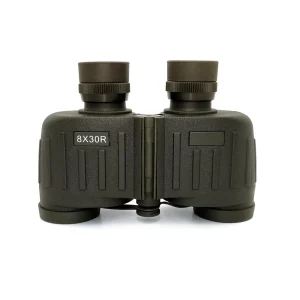
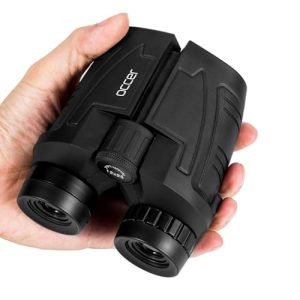
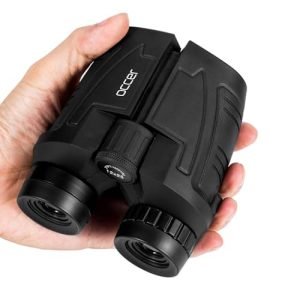
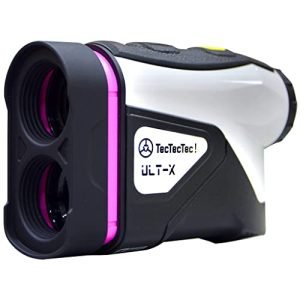
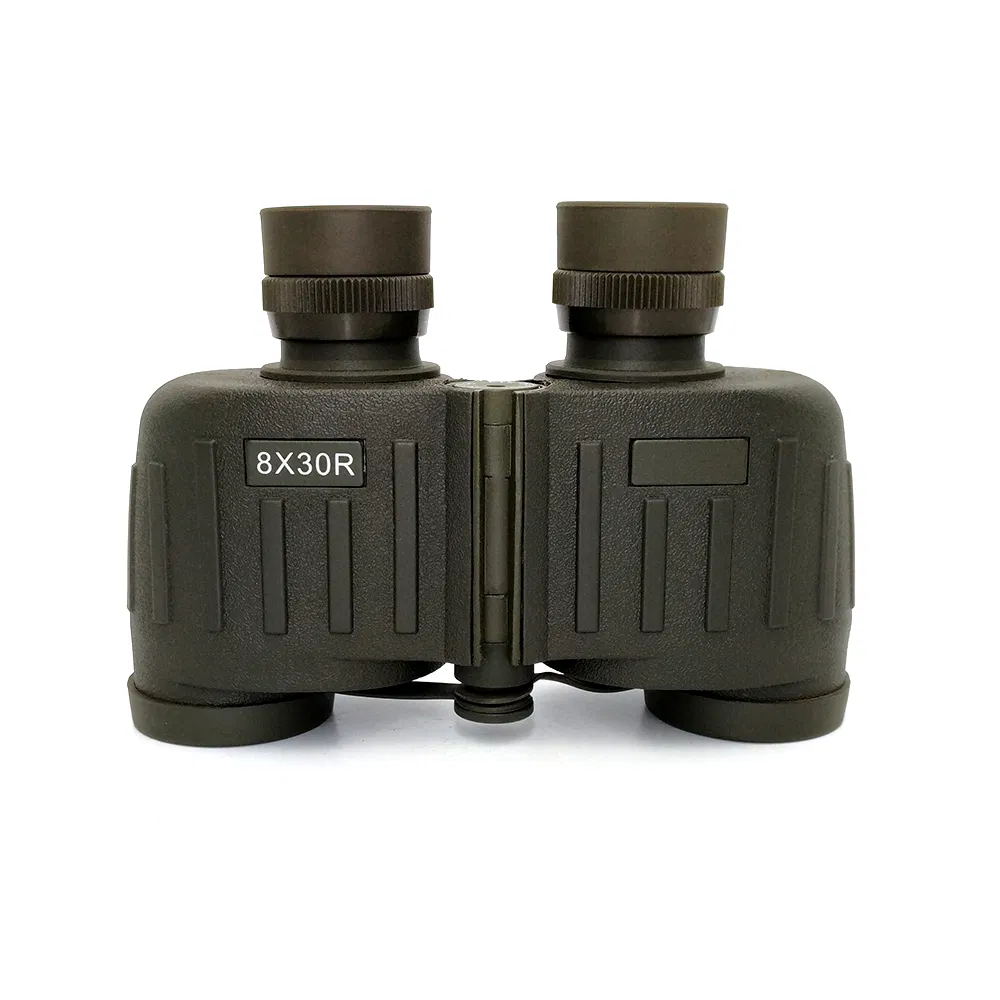
Tactical binocularsare built for tough use. They have a rugged designwith strong materials. Most have rubber armorto protect against shocks and drops. Many models are compactand easy to carry. They often include features like night vision, range finders, or compasses.
These binoculars are usually waterproofand fog proof. They have sealed lenses and air replaced with dry gas to stop fogging. This makes them useful in rain, snow, or humidplaces. Their design helps in harsh environments.
- Used by military and law enforcement
- Great for hunting and wildlife watching
- Good for hiking and outdoor adventures
- Useful in boating and marine activities

Credit: www.amazon.de
Waterproof Vs Water-resistant
Waterproofbinoculars can handle full water exposure without damage. Water-resistantones resist some water but may not survive heavy rain or submersion. The difference is key for outdoor use.
Waterproof means no water gets inside. Water-resistant means water may enter slightly but not harm the device.
Understanding Ratings
| Rating | Meaning | Protection Level |
|---|---|---|
| IPX7 | Protected against immersion up to 1 meter for 30 minutes | High |
| IPX4 | Protected against splashing water from any direction | Medium |
| IPX0 | No water protection | None |
Industry Standards
- Most tactical binoculars follow IP standards for water protection.
- Check product specs for exact IP rating before buying.
- Look for nitrogen or argon purging to prevent fogging inside.
- Sealed O-rings add extra protection against water entry.
Materials And Construction
Sealing techniqueskeep water out of tactical binoculars. Rubber O-rings and gaskets block moisture. Some models use special glue to seal tiny gaps. Air pressure inside the binoculars helps stop fogging. This makes them water-resistant or waterproof. Proper sealing is key for outdoor use.
Materialsalso affect water resistance. Most tactical binoculars use metal or high-grade plastic. Metal parts add strength but can be heavy. Plastic parts help keep the binoculars light. The lenses are coated to resist water and dirt. Quality materials protect the binoculars from rain and splashes.

Credit: ytgxyqoptics.en.made-in-china.com
Testing Durability
Laboratory tests check the waterproof strengthof tactical binoculars. They use water pressure tanksto simulate deep water. Binoculars must hold up without leaks. The tests also check for fogging inside the lenses. This ensures clear visioneven in wet conditions.
Real-world tests put binoculars through rain, splashes, and drops. They test how well binoculars work in rainstorms, near rivers, or wet forests. Some models have special coatings to stop water damage. These tests help buyers trust the binoculars in tough weather.
Maintenance And Care
Preventing water damagekeeps tactical binoculars working well. Always store binoculars in a dry place. Avoid leaving them in wet or damp spots. Use a waterproof case during rain or near water. Dry binoculars quickly if they get wet to stop mold and rust. Keep lens covers on to protect the glass from water and dirt. Wipe lenses gently with a clean, soft cloth after use. Avoid touching lenses with fingers to prevent smudges.
Regular inspectionhelps find problems early. Check seals and O-rings for cracks or wear. Replace damaged parts to keep water out. Look inside the lenses for fog or moisture, signs of leaks. Test binoculars in a safe water environment to confirm waterproofing. Tighten loose screws or parts that might let water in. Clean binoculars after use to keep them in top shape.
Choosing The Right Binoculars
Choosing the right binocularsdepends on many factors. Waterproofing is key for outdoor use. Look for binoculars with IPX7 or higher ratingsfor strong water resistance. Fog-proof lenses keep your view clear in wet or cold weather. Consider size and weight; heavier binoculars may tire your arms. Magnification and lens diameter affect how far and clear you see. A good grip and durable body help in rough conditions.
Popular brandsoffer reliable options. Brands like Nikon, Bushnell, Vortex, and Leicahave models with waterproof features. Some come with rubber armor for shock protection. Price varies, so set a budget first. Read reviews to find good value and quality.

Credit: www.ebay.com
Frequently Asked Questions
Are All Tactical Binoculars Waterproof?
Not all tactical binoculars are waterproof. Many models feature waterproof seals and nitrogen purging to prevent water damage. Always check product specifications to confirm waterproof ratings before purchase, especially for outdoor or marine use.
How Does Waterproofing Protect Tactical Binoculars?
Waterproofing prevents water from entering the binoculars, avoiding internal fogging and damage. It ensures clear vision and durability in wet conditions like rain, snow, or humidity. This feature is essential for reliable performance during tactical operations or outdoor activities.
Can I Use Tactical Binoculars Underwater?
Most waterproof tactical binoculars are water-resistant, not fully submersible. They can handle splashes and rain but usually can’t be used for prolonged underwater viewing. For underwater use, specialized waterproof or diving binoculars are recommended.
What Is The Difference Between Waterproof And Fog-proof Binoculars?
Waterproof binoculars prevent water entry, while fog-proof models resist internal fogging. Many tactical binoculars combine both features using sealed, nitrogen-filled interiors. This combination ensures clear vision in wet and humid environments.
Conclusion
Tactical binoculars often come with waterproof features. This protects them during rain, fog, or wet conditions. Not all models offer the same level of water resistance. Check product details before making a choice. Waterproof binoculars last longer and work better outdoors.
They help you see clearly without worrying about damage. Choosing the right pair means enjoying your adventures fully. Remember, durability matters when you face tough weather. Stay prepared and pick binoculars that meet your needs.