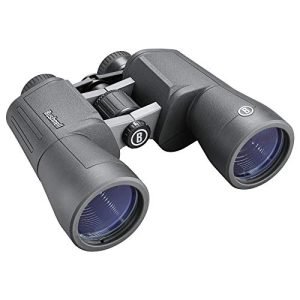
If you love bird watching, using hiking binoculars can take your experience to the next level. But do you know how to use them properly to spot even the smallest feathered friends?
With the right techniques, your binoculars become a powerful tool to bring birds closer, revealing details you might miss with the naked eye. In this guide, you’ll learn simple tips to get clear views, avoid common mistakes, and enjoy every moment of your bird watching adventure.
Ready to see birds like never before? Let’s dive in.

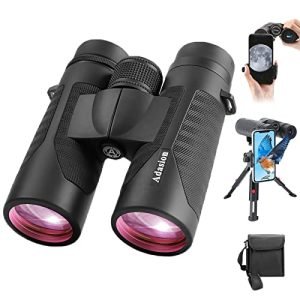
Credit: www.amazon.com
Choosing The Right Binoculars
Magnificationshows how close you can see birds. A range of 8x to 10xworks well. Field of viewtells how wide you can see. A wider view helps spot birds quickly. Choose binoculars with a balance of both.
Lens qualityis key for clear images. Look for binoculars with multi-coated lenses. These lenses reduce glare and improve light. This helps you see birds better, even in low light.
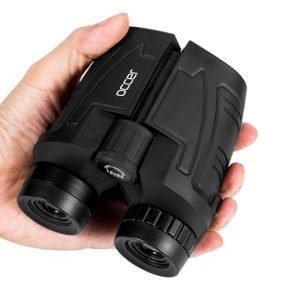
Weightmatters for long hikes. Light binoculars are easier to carry. Choose models that are compact and portable. This makes bird watching more comfortable and fun.
Understanding Bird Watching Needs
Bird watching needs clear and sharp vision. Binoculars help to see birds far away. Good binocularsshow details like color, size, and shape clearly. This helps in identifying bird specieseasily. Different birds have unique features. Some have bright feathers, others small beaks.
Finding rare birds is exciting. Use binoculars to scan trees and sky. Rare birds hide well. Patience is key. Look for unusual colors or movements. Keep binoculars steady for best views.
Watching bird behavior is fun and teaches a lot. See how birds fly, eat, or build nests. Notice their calls and interactions. Binoculars bring these actions closer. Learn patterns over time for better bird watching.
Setting Up Your Binoculars
Adjusting eye reliefhelps you see the full image clearly. Move the eyecups up or down to fit your eyes. People who wear glasses should keep the eyecups down for the best view. Proper eye relief prevents dark edges and strain.
Fine-tuning focusmakes birds sharp and easy to see. Start by covering one lens and focus with the other eye. Then use the center focus wheel for both eyes. Adjust slowly until the bird’s details are clear.
Stabilizing for clear viewsreduces shaking and blurring. Hold binoculars firmly with both hands. Rest your elbows close to your body. If possible, lean on a tree or wall. This keeps your view steady and sharp.

Credit: www.facebook.com
Techniques For Effective Bird Watching
Use binoculars along with a birding guidebook. This helps to identify birds by their colors and shapes. The guidebook also shows bird calls and habits. Keep the guide handy for quick reference while watching.
Practice quick scans by moving your binoculars fast across trees and bushes. This helps spot birds that hide well. Focus briefly on any movement or color that stands out. Stay alert and patient.
Track bird movements by following their flight path or hopping from branch to branch. Move your binoculars smoothly to keep the bird in view. This improves your chances of seeing details like feather patterns and beak shape.
Maintaining Your Binoculars
Cleaning lenses keeps your binoculars clear and sharp. Use a soft brush or air blower to remove dust. Then, gently wipe with a microfiber cloth. Avoid paper towels or rough fabrics that can scratch.
Protect binoculars from rain, dust, and extreme sun. Store them in a dry, padded case. Use lens covers when not in use. Never leave them in direct sunlight for long periods.
Check your binoculars often for damage or loose parts. Tighten screws carefully if needed. Look for cracks or fog inside lenses. Early fixes help binoculars last longer.

Credit: www.amazon.com
Safety And Etiquette Tips
Respecting wildlifemeans staying quiet and calm. Birds get scared by loud noises or sudden moves. Keep a good distance so you don’t bother them. Never touch or feed wild birds. This helps protect their natural habits and keeps them safe.
Navigating trails safelyrequires watching your step. Trails can be slippery or uneven. Use proper shoes and carry a small first aid kit. Stay on marked paths to avoid getting lost and to protect plants and animals around you.
Avoiding disturbancesmeans not making loud sounds or bright lights. Turn off phone sounds and keep voices low. Avoid using flash photography. Respect other hikers by sharing the trail and giving way when needed.
Frequently Asked Questions
What Are The Best Binoculars For Bird Watching?
Choose binoculars with 8×42 or 10×42 magnification for clear, bright images. They balance magnification and field of view, ideal for spotting birds.
How Do I Focus Hiking Binoculars For Bird Watching?
Adjust the central focus wheel while viewing a distant bird. Use the diopter ring on one eyepiece to fine-tune sharpness for each eye.
Can Hiking Binoculars Protect My Eyes During Bird Watching?
Yes, quality hiking binoculars have UV protection and anti-glare coatings. These features reduce eye strain and improve image clarity in bright conditions.
How To Hold Binoculars Steady While Bird Watching?
Hold binoculars with both hands, elbows close to your body. Lean against a stable surface or use a tripod for extra stability.
Conclusion
Using hiking binoculars makes bird watching more fun and clear. Choose the right binoculars for comfort and good view. Practice holding them steady to see birds well. Remember to clean lenses gently for a sharp image. Enjoy nature and observe birds quietly to avoid scaring them.
Each trip helps you notice new bird details. Keep your binoculars handy and explore often. Happy bird watching!