Have you ever wondered if kids binoculars can handle tough weather conditions? Whether it’s a rainy hike, a snowy adventure, or a hot summer day, you want to know if your child’s binoculars will still work.
Imagine your little explorer missing out because their gear can’t keep up. You’ll discover the truth about using kids binoculars in extreme weather. Keep reading to find out what to look for and how to protect your binoculars so your child’s outdoor fun never has to stop.
Features Of Kids Binoculars
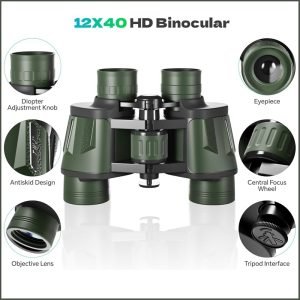
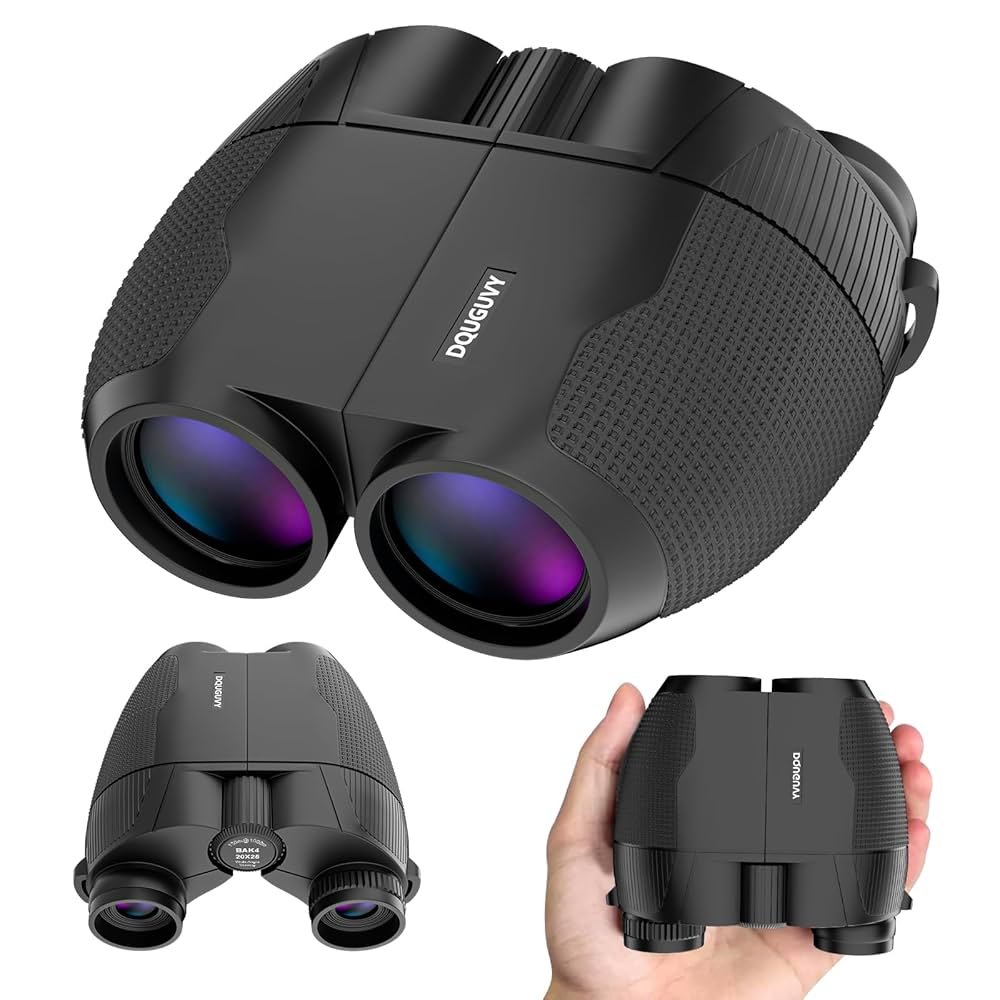
Kids binoculars often have a strong and tough build. They use plastic or rubber coversto protect from drops and bumps. This makes them good for outdoor play.
Many models are waterproof and weatherproof. This means they can handle rain, snow, or dust. Kids can use them in rainy or windy weatherwithout worry.
The design usually includes sealed lensesto stop water from getting inside. Some binoculars also have fog-proof features. This helps keep the view clear in cold or wet weather.
- Rubber coating:Protects from falls and rough use.
- Waterproof seals:Keep water and dust out.
- Fog proof:Prevents fog on lenses in cold weather.

Credit: www.amazon.com
Extreme Weather Challenges
Rain and snowcan make binoculars wet and blurry. Water drops on lenses block clear views. Snow can also freeze and stick to the binoculars. This may harm the lenses or the body if not dried quickly. Kids’ binoculars often lack waterproof features, so use a cover or cloth to protect them.
High winds cause shaking, making it hard to hold binoculars steady. Strong gusts can blow dust and dirt onto lenses, scratching them over time. Kids might find it tough to keep binoculars still in windy weather, which affects their viewing experience.
Expert Opinions On Usage
Experts say kids binoculars with waterproof and fog-proof features work well in rain or snow. Durability depends on the model’s build quality and weather resistance. Always check product details before using in harsh conditions.
Performance In Harsh Conditions
Kids binoculars can work in cold, rainy, or windy weather if they are made well. Some models have waterproofand fog-prooffeatures. These help keep the lenses clear and dry. In very cold weather, plastic parts might get stiff. So, binoculars with rubber coatingare better. This coating also protects from drops and bumps. Avoid binoculars with glass lenses if kids use them outside often. Glass can break easily in rough play or weather.
Recommended Models For Tough Weather
| Model | Key Features | Best Use |
|---|---|---|
| Adventure Kids 8×21 | Waterproof, rubber grip, fog-resistant | Rain, snow, hiking |
| Explorer Jr. 6×30 | Shockproof, lightweight, easy focus | Windy days, outdoor play |
| Trail Scout 7×25 | Waterproof, anti-slip, durable build | Camping, fishing, rough weather |

Credit: www.amazon.com
Care And Maintenance Tips
Cleaning after exposureis key to keeping kids binoculars in good shape. Use a soft cloth to gently wipe dirt and moisture off the lenses. Avoid using harsh chemicals that can damage the lens coating. For stubborn spots, a lens cleaning solution made for glasses works well. Let the binoculars air dry completely before storing them. Drying prevents mold and rust inside the device. Check for any sand or debris in the moving parts and remove them carefully to avoid scratches.
Storage solutions for protectionhelp extend the life of binoculars. Keep them in a sturdy case that shields against rain, dust, and drops. A padded case with a zipper or snap closure works best. Store the binoculars in a dry place away from direct sunlight to avoid fading or warping. Using silica gel packets inside the case absorbs any moisture. Always loosen the focus knob before storing to reduce strain on the mechanism.
Safety Considerations
Clear visibilityis key when kids use binoculars in extreme weather. Rain, fog, or snow can blur the view. Wiping lenses with a soft cloth helps keep images sharp. Bright colors on binoculars make them easier to spot if dropped outdoors. Avoid using binoculars during thunderstorms to keep kids safe.
Handling binoculars carefully protects both the child and the device. Teach kids to hold them with both hands. Avoid dropping or throwing binoculars, as they can break or cause injury. Use a neck strap to keep binoculars secure and prevent loss. Supervision is important during use in rough weather.

Credit: www.amazon.com
Frequently Asked Questions
Can Kids Binoculars Withstand Rain And Moisture?
Many kids binoculars are water-resistant but not fully waterproof. They handle light rain but avoid heavy rain or submersion to prevent damage.
Are Kids Binoculars Fog-proof For Extreme Cold?
Some high-quality kids binoculars have fog-proof coatings and sealed lenses. These features help prevent fogging in cold, humid, or changing temperatures.
What Materials Make Kids Binoculars Weather-resistant?
Durable rubber coatings and sealed bodies improve weather resistance. These materials protect against dust, moisture, and minor impacts during outdoor use.
Can Kids Safely Use Binoculars In Snowy Conditions?
Yes, if binoculars are weather-resistant and fog-proof. Ensure the binoculars are rated for cold weather to avoid lens fogging and damage.
Conclusion
Kids binoculars can handle some tough weather conditions. Many models resist rain, fog, and dust well. Still, avoid using them in heavy storms or extreme cold. Proper care helps keep binoculars working longer. Clean and dry them after outdoor use.
Choose binoculars with good seals and sturdy build. This way, kids enjoy clear views in many places. Outdoor fun does not have to stop because of weather. Safe, simple use makes binoculars a great tool for kids.