Are you ready to take your nature observation to the next level? Using tripod compatible binoculars can transform the way you see the world around you.
Imagine steady, clear views of birds, wildlife, and distant landscapes without the usual hand-shake blur. You’ll discover simple steps to set up and use these binoculars effectively. By the end, you’ll feel confident and excited to explore nature like never before.
Keep reading to unlock the full potential of your binoculars and make every observation sharper and more enjoyable.
Choosing The Right Binoculars
Choosing binoculars that fit your needs is key for good nature observation. Opt for tripod-compatible binocularsto keep your view steady. Look for lightweight modelsthat are easy to carry. A wide field of viewhelps spot animals faster. Magnification between 8x and 10xbalances zoom and clarity well. Waterproof and fog-proof features keep lenses clear in all weather. Comfortable grip and easy focus controls make long use easier.
Some brands are well-known for quality nature binoculars. They offer reliable optics and durable builds. Brands like Nikon, Vortex, and Zeissare popular choices. These brands often provide tripod adapters or built-in tripod mounts. Prices vary, so pick one that suits your budget and needs.
Selecting A Compatible Tripod
Choosing the right tripod is key for steady nature observation. Tripods come in different types. Some are lightweight and easy to carry. Others are heavier but offer more stability. Think about where you will use the binoculars most.
- Tabletop tripods:Small and portable, good for close views.
- Standard tripods:Taller and adjustable, great for most outdoor spots.
- Monopods:One-legged, easy to move but less stable.
Look for tripods with rubber feetor spikes for better grip on uneven ground. A tripod with adjustable legshelps keep binoculars steady on slopes. Smooth pan and tilt headsallow easy movement without shaking. The tripod mount must fit your binoculars securely to avoid wobbling during use.
Setting Up Your Equipment
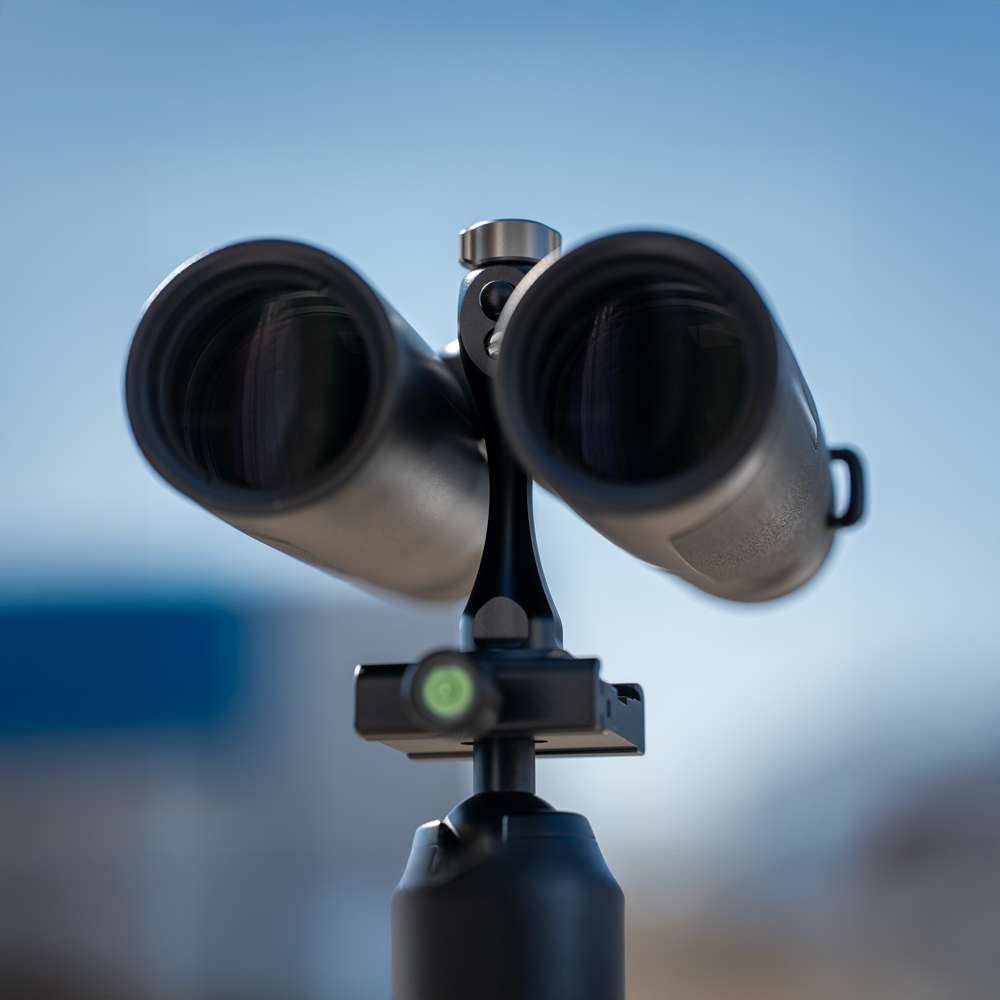
First, find the tripod mount on your binoculars. Attach the binoculars firmly to the tripod head using the screw mount. Make sure the connection is tight to avoid wobbling during use.
Adjust the tripod height so you can look through the binoculars comfortably. The height should allow you to stand or sit without bending or stretching.
Change the tripod angle to get the best view. Use the tripod head controls to tilt and pan smoothly. Lock the position when you find the right angle.
- Secure binoculars using the tripod screw mount.
- Check for a tight fit to prevent movement.
- Set tripod height for comfortable viewing.
- Adjust angle with tripod head controls.
- Lock tripod position after adjustment.

Credit: powrig.com
Optimizing Binocular Settings
Adjust the focus knob slowly until the image is sharp and clear. Use the diopter ring to fine-tune the focus for each eye. This helps reduce eye strain during long observation sessions.
Keep lens caps handy to protect the lenses from dust and scratches. Remove them only when you are ready to use the binoculars.
| Filter Type | Purpose | When to Use |
|---|---|---|
| Polarizing Filter | Reduces glare from water or leaves | Bright sunny days near water |
| UV Filter | Protects eyes from ultraviolet rays | High altitude or sunny environments |
| Neutral Density Filter | Reduces brightness without changing colors | Very bright light conditions |
Positioning For Best Views
Choose locations with clear, open viewsfor better observation. Avoid places with thick trees or tall buildings blocking your sight. Higher ground often gives better visibility. Stay away from areas with too much noise or movement that can distract you.
Common obstacles include:
- Branchesor leaves in your line of sight
- Bright lights causing glare on lenses
- Strong winds shaking the tripod
- Uneven surfaces making setup unstable
Make sure your tripod is steady and level. Adjust the binoculars so they point directly to your target. Use a smooth swivelto follow animals or birds without sudden jerks. Stay patient and keep your setup steady for the best views.
Improving Observation Skills
Patience is key for good nature observation. Waiting quietly helps spot animals. Early mornings or late evenings often show more activity.
Timing your observation with animal habits improves success. Birds, for example, are more active at dawn.
Recognizing patterns in nature helps predict animal behavior. Notice where animals feed or rest. This knowledge guides your focus.
- Watch for repeated movements or sounds.
- Learn seasonal changes and animal migrations.
- Understand how weather affects animal activity.
Using tripod compatible binoculars lets you keep steady views for long times. This steadiness helps catch small details and follow moving animals easily.
Maintaining Your Equipment
Clean binocular lenses gently with a soft cloth. Avoid using rough materials that can scratch. Use lens cleaning solution if needed. Wipe tripod parts with a dry cloth to remove dust and dirt. Keep tripod joints free of grime to ensure smooth movement.
Store binoculars in a protective case to avoid damage. Keep them in a dry place to prevent moisture buildup. Avoid leaving equipment in direct sunlight or extreme temperatures. Use silica gel packs in the case to absorb moisture. Regular storage care helps keep your gear working well for years.
Credit: www.facebook.com

Credit: www.youtube.com
Frequently Asked Questions
What Are Tripod Compatible Binoculars?
Tripod compatible binoculars have a threaded socket for mounting on tripods. This feature stabilizes the view, reducing hand shake and improving clarity during long nature observations.
How Do I Attach Binoculars To A Tripod?
Align the binocular’s threaded socket with the tripod’s mounting screw. Turn clockwise to secure it tightly, ensuring stability for steady and clear viewing.
Why Use A Tripod With Binoculars For Nature Observation?
A tripod eliminates hand tremors, providing a steady image. It allows longer, comfortable viewing sessions, enhancing detail recognition and reducing eye strain during wildlife observation.
Can All Binoculars Fit On Any Tripod?
No, only binoculars with a tripod adapter socket fit standard tripods. Check compatibility before purchasing to ensure your binoculars can mount securely on your tripod.
Conclusion
Using tripod compatible binoculars makes nature observation steadier and clearer. It reduces hand shake and helps you see details better. Setting up the tripod is easy and keeps your view stable. Spend time adjusting the binoculars for comfort and focus.
This way, you enjoy longer and more relaxing observation sessions. Remember, steady viewing brings nature’s beauty closer to you. Try these tips to enhance your outdoor experience today.