You’ve invested in image stabilized binoculars to enjoy crystal-clear views without the shakiness. But how do you make sure they stay in perfect condition?
Protecting your binoculars from damage isn’t just about careful handling—it’s about knowing the smart steps that keep them safe no matter where your adventures take you. If you want your binoculars to last longer and perform better, keep reading. You’ll discover simple, effective ways to shield your gear and get the most out of every use.

Credit: bawaruba.com
Choosing The Right Case
Choosing the right case is key to keep binoculars safe. Hard casesoffer strong protection against drops and impacts. They prevent damage from rough handling and sharp objects. Soft casesare lighter and easier to carry. They protect from dust and light scratches but not heavy shocks.
Waterproof and shockproof cases add extra safety. Waterproof cases stop water from reaching the binoculars. This is great for rainy or wet places. Shockproof cases have padding to absorb strong hits. They reduce the risk of internal damage to the image stabilizer and lenses.
| Case Type | Protection Level | Best Use |
|---|---|---|
| Hard Case | High | Outdoor, rough handling |
| Soft Case | Moderate | Light travel, dust protection |
| Waterproof Case | High | Wet weather, water activities |
| Shockproof Case | High | Protection from drops and hits |
Using Lens Covers
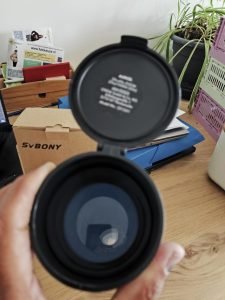
Lens covers help protect binoculars from scratchesand dust. They keep the lenses clean and safe during travel or storage. Using covers prevents dirt from scratching the glass surface. Dust can reduce image quality and cause damage over time.
Choosing the right lens cover is important. It should fit the binoculars perfectlyto avoid falling off. Covers made from soft, durable materials like rubber or silicone offer the best protection. They cushion the lenses against bumps and drops. Covers should be easy to put on and remove without forcing.
| Feature | Why It Matters |
|---|---|
| Proper Fit | Prevents cover from slipping off |
| Soft Material | Protects against scratches and shocks |
| Easy to Use | Allows quick lens access |
Avoiding Moisture Exposure
Store binoculars in dry placesto avoid moisture damage. Moisture can cause lenses to fog and parts to rust. A dry location helps keep the binoculars working well.
Using desiccantslike silica gel packets inside the storage case helps absorb moisture. These small packets are cheap and easy to find. Replace them when they look full or wet.
- Keep binoculars in a sealed bag with desiccants.
- Do not leave binoculars in damp areas like bathrooms or basements.
- Regularly check the storage area for humidity.

Credit: www.amazon.com
Regular Cleaning Practices
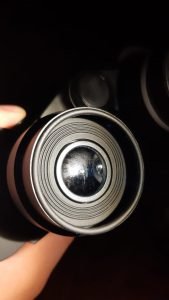
Use only soft microfiber clothsto clean lenses. Avoid rough materials that can scratchglass surfaces. Lens cleaning solutions should be gentleand alcohol-free. Do not use household cleaners or paper towels.
Hold binoculars steady. Gently wipe lenses in small circles. Start from the center and move outward. This removes dustand smudgeswithout damage.
- Blow off dust with a soft brush or air blower first.
- Use a small drop of lens cleaner on the cloth, not directly on lenses.
- Clean lens caps and body with a damp cloth to avoid dirt buildup.
Handling With Care
Hold binoculars with both hands to keep them steady. Use your thumbs and fingers to grip the body firmly but gently. Avoid squeezing too hard; it can damage the internal parts. Keep the strap around your neck or wrist for extra safety.
Move slowly and smoothly while using the binoculars. Sudden jerks or quick turns can harm the image stabilization system. Try to keep your arms close to your body for better control and less shake.

Credit: www.amazon.com
Battery Maintenance
Store batteries in a cool, dry placeto keep them working well. Avoid places that are too hot or wet. Use original battery cases or small containers to prevent damage. Always keep batteries away from metal objectsto avoid short circuits.
Check batteries often for signs of corrosion. Corrosion looks like a white or green powder. It can damage your binoculars’ battery compartment. If corrosion appears, clean it gently with a cotton swab dipped in vinegar or lemon juice.
- Remove batteries if binoculars won’t be used for a long time.
- Replace old or weak batteries promptly.
- Use fresh batteries of the same type and brand.
Periodic Maintenance Checks
Regular checks help keep image stabilized binocularsworking well. Look closely at the lenses and body for any scratches, cracks, or loose parts. Pay attention to the rubber gripsand seals to ensure they are not worn out or damaged.
Clean the lenses gently with a soft cloth. Avoid using harsh chemicals that can harm the coatings.
| Professional Servicing Tasks | Why It Matters |
|---|---|
| Check internal stabilization system | Ensures smooth and clear image |
| Replace worn-out parts | Prevents further damage |
| Clean internal lenses and mechanisms | Maintains sharp vision |
| Test waterproof seals | Keeps moisture out |
Have experts service your binoculars every 1-2 years. This keeps them in top conditionand extends their life.
Travel Tips
Secure your image stabilized binocularsin a hard case during travel. Soft cases do not protect well from drops. Wrap the binoculars in a clean, soft clothto prevent scratches.
Use padded compartments or dividers inside your bag. This keeps the binoculars from moving around. Avoid placing heavy items near the binoculars.
- Use a sturdy, shock-absorbing case.
- Wrap binoculars with microfiber cloth.
- Place in a separate padded bag compartment.
- Keep away from sharp or heavy objects.
- Carry binoculars close to your body for extra protection.
Frequently Asked Questions
How Do I Clean Image Stabilized Binoculars Safely?
Use a soft microfiber cloth to clean lenses gently. Avoid harsh chemicals; use lens cleaner designed for optics. Clean the body with a damp cloth, avoiding moisture near electronic parts.
What Is The Best Storage Method For Stabilized Binoculars?
Store binoculars in a padded case in a cool, dry place. Avoid extreme temperatures and direct sunlight. Remove batteries if unused for long periods to prevent leakage.
How Can I Prevent Damage During Outdoor Use?
Use a neck strap or harness to avoid drops. Keep binoculars in a protective case when not in use. Avoid exposing them to water or dust without proper sealing.
Should I Remove Batteries When Not Using Binoculars?
Yes, removing batteries prevents corrosion and leakage inside the device. Store batteries separately in a cool, dry place. This extends the life of your binoculars and electronics.
Conclusion
Protecting your image stabilized binoculars keeps them working well. Always use a sturdy case during travel or storage. Clean lenses gently with a soft cloth to avoid scratches. Avoid dropping or banging the binoculars on hard surfaces. Store them in a dry, cool place to prevent damage.
Regular care helps your binoculars last a long time. Follow these tips to enjoy clear, steady views every time. Taking simple steps protects your valuable gear from harm. Safe handling means better performance on every adventure.