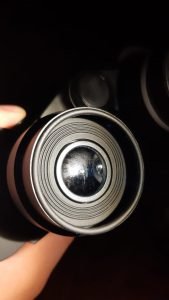
Have you ever struggled to see clearly through thick fog while using your zoom binoculars? It can be frustrating when the world around you turns hazy, and your usual tools don’t work as expected.
But what if you could cut through that fog and get a sharp, clear view every time? You’ll discover simple, effective tips to make the most of your zoom binoculars even in the foggiest conditions. Keep reading, and you’ll learn how to turn those blurry moments into crystal-clear sights.
Choosing The Right Zoom Binoculars
Optical qualityis key for clear vision in fog. Choose binoculars with lenses that reduce glare and improve contrast. Coated lenses help you see details better in low light.
For magnification options, 8x or 10x is best. Higher magnification can make images shaky and blurry. Lower magnification gives a wider view, which helps in fog.
| Feature | Benefit |
|---|---|
| Waterproof and fog-proof | Keep lenses clear inside and out in damp weather |
| Rubber coating | Protects binoculars from slips and drops |
| Sealed body | Stops moisture from entering and fogging inside lenses |
Preparing For Foggy Conditions
Check the weather forecastbefore using zoom binoculars. Fog can be light, thick, or patchy. Knowing the type helps you prepare better.
There are three common fog types:
- Radiation fog:Forms at night, usually thin.
- Advection fog:Happens when warm air moves over cold ground.
- Freezing fog:Contains tiny ice crystals, can be tricky.
Bring essential gear for foggy weather:
- Lens cleaning cloth to wipe moisture.
- Waterproof case to protect binoculars.
- Anti-fog spray to keep lenses clear.
- Warm clothes for comfort.
Adjusting Binoculars For Fog
Setting magnification levelslower helps reduce image blur in fog. High magnification can make objects look shaky and unclear. Choose a moderate zoom to balance clarity and field of view. This makes it easier to spot objects without straining your eyes.
Fine-tuning focusis key for clear vision. Slowly turn the focus wheel until the image sharpens. Small adjustments work best in foggy conditions. Avoid quick or large changes, as they can cause more blur.
- Fog-mode settingshelp reduce glare and improve contrast.
- Use these settings if your binoculars have them.
- They adjust lenses to cut through mist and fog better.
- This makes distant objects easier to see.

Credit: www.foreseenoptics.com
Enhancing Visibility In Fog
Lens coatingsreduce light reflection and improve clarity. They help binoculars cut through fog. Some coatings repel water, keeping lenses dry. Choose binoculars with anti-fog and waterproof coatingsfor best results.
Glare can blur vision in foggy weather. Use a lens hoodor shade your eyes with your hand. Adjust your angle to avoid direct light. This reduces reflectionand improves sight.
- Use soft, diffused light to reduce harsh reflections.
- Avoid using bright lights directly in front of binoculars.
- Try using a small flashlight with a red filter to keep night vision.
- Light from the side helps highlight shapes in fog.
Maintenance Tips For Foggy Weather
Cleaning binocular lensesis key for clear views in foggy weather. Use a soft cloth or lens brush to remove dirt. Avoid wiping lenses with your shirt or rough materials. A small amount of lens cleaner keeps the glass spotless. Clean lenses gently to avoid scratches.
Protecting against moisturehelps stop fog inside the binoculars. Store binoculars in a dry case with silica gel packs to absorb wetness. Avoid leaving them outside in rain or heavy fog. Wipe off any water drops quickly to prevent damage.
Long-term care practicesensure binoculars last many years. Keep them in a cool, dry place when not in use. Regularly check for loose parts and tighten screws if needed. Use a protective cover during travel to avoid bumps and scratches.

Credit: www.instagram.com
Expert Recommendations
Adjust the focus slowly to improve clarity in foggy conditions. Choose binoculars with fog-resistant coatings to prevent moisture buildup. Keep your eyes steady and avoid quick movements for a better view.
Top Binocular Models For Fog
| Model | Fog Resistance | Lens Coating | Price Range |
|---|---|---|---|
| Nikon Monarch 5 | Excellent | Fully Multi-Coated | $$$ |
| Vortex Diamondback | Very Good | Anti-Fog Coating | $$ |
| Bushnell Legend Ultra HD | Excellent | RainGuard HD | $$$ |
| Celestron Nature DX | Good | Fully Multi-Coated | $ |
Professional Insights
Choose binoculars with fog-proof and waterprooffeatures. These keep lenses clear in wet weather. Look for rubber armorfor a good grip and protection.
Use a lens clothto clean lenses gently. Avoid touching lenses with fingers. Always keep binoculars in a dry casewhen not in use.
Common Mistakes To Avoid
- Using binoculars without fog protection causes blurry views.
- Cleaning lenses with rough cloth can cause scratches.
- Ignoring waterproof ratings may damage your binoculars.
- Leaving binoculars exposed to foggy weather risks fogging inside.
- Not adjusting focus properly reduces image clarity.
Credit: www.availableonline.com.au
Frequently Asked Questions
How Do Zoom Binoculars Improve Visibility In Fog?
Zoom binoculars enhance visibility by magnifying distant objects, helping you see through light fog. Adjusting the zoom can focus on clearer areas, improving detail and contrast for better viewing in foggy conditions.
What Settings Work Best For Foggy Weather Binoculars?
Use lower zoom levels for a wider, clearer view in fog. Adjust focus slowly to sharpen images. Some binoculars have fog-resistant coatings; ensure these features are active for optimal performance.
Can Zoom Binoculars Fog Up In Humid Conditions?
Yes, binoculars can fog internally if not sealed properly. Choose waterproof, fog-proof models with nitrogen or argon purging to prevent moisture buildup inside the lenses during humid or foggy weather.
How To Clean Binocular Lenses After Fog Exposure?
Use a soft microfiber cloth to gently wipe lenses. Avoid harsh chemicals; use lens cleaning solution if needed. Cleaning prevents residue buildup and maintains clear, sharp images for future use in foggy conditions.
Conclusion
Using zoom binoculars in foggy weather takes patience and care. Adjust the zoom slowly to find clearer views. Keep your lenses clean to avoid blurry spots. Focus on nearby objects first, then try farther ones. Remember, fog limits how far you can see.
Practice often to improve your skills. This way, you enjoy better outdoor experiences even in fog. Stay safe and enjoy nature’s beauty, no matter the weather.