Are you tired of shaky views and missed details when birdwatching? Setting up tripod compatible binoculars can change everything for you.
Imagine steady, clear sights that bring every feather and color into sharp focus without the strain on your arms. In this guide, you’ll discover simple steps to get your binoculars perfectly mounted and ready for the best birdwatching experience. Keep reading to unlock tips that make your outdoor adventures more enjoyable and rewarding than ever before.
Choosing The Right Tripod
Tripods come in different types, each suited for birdwatching. Tabletop tripodsare small and light. They fit on flat surfaces and are easy to carry. Travel tripodsare compact but sturdy. They fold small and fit in bags. Full-size tripodsoffer strong support. They hold binoculars steady for longer viewing.
Choosing the right tripod means thinking about weight, height, and stability. The tripod must hold your binoculars without shaking. It should be easy to carry during walks or hikes. The height should let you look comfortably without bending or stretching. Look for tripods with adjustable legsand a smooth head for easy movement. Also, check if the tripod fits your binocular model well.

Credit: www.youtube.com
Selecting Binoculars
Choosing binoculars for birdwatching means focusing on the right features. A good birdwatching binocular usually has a magnification of 8x to 10x. This helps you see birds clearly without shaking the image too much. The lens size should be around 42mmto let enough light in for bright views.
Look for binoculars with good field of view. This makes it easier to spot moving birds. Waterproof and fog-proof models are best for all weather conditions. Also, binoculars should feel comfortableand lightweightfor long use.
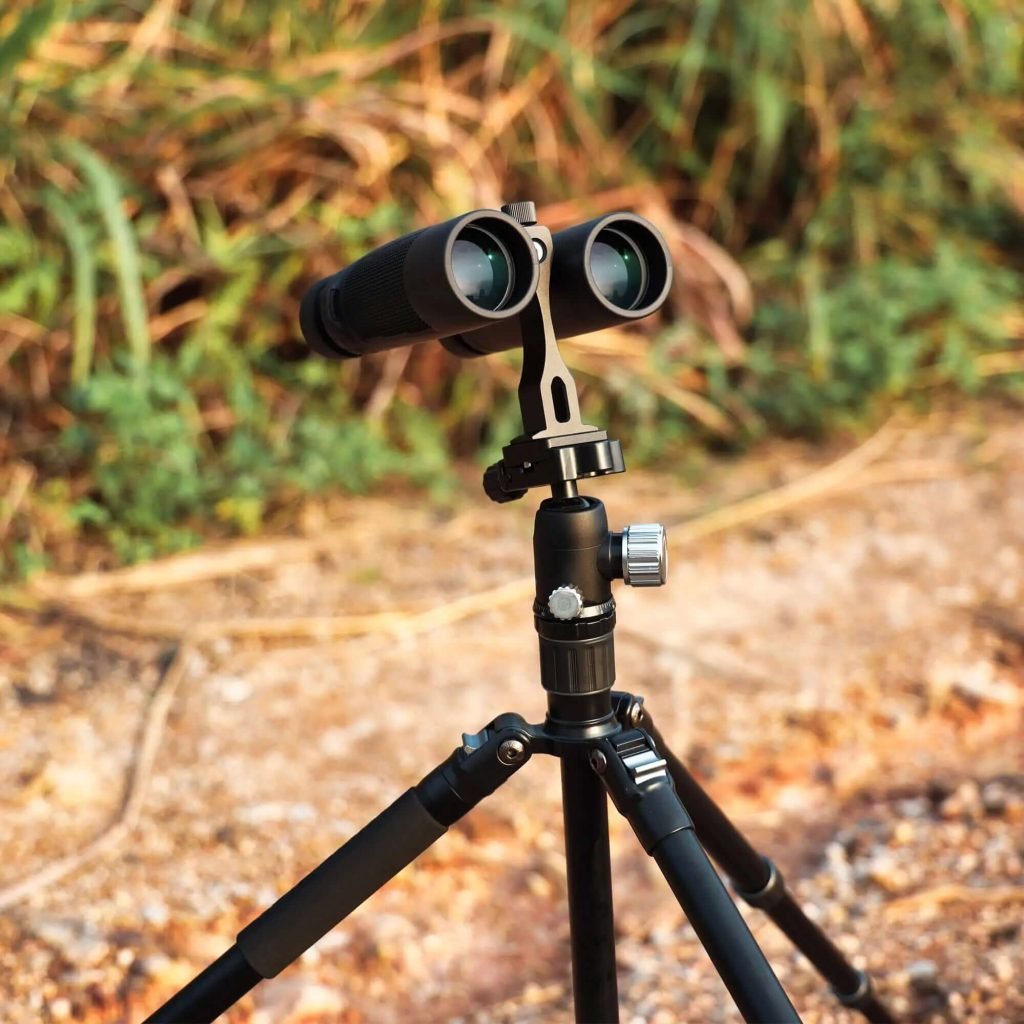
Tripod compatibility is key for steady birdwatching sessions. Check if the binoculars have a threaded socketor adapter for tripods. This feature helps you fix the binoculars on a tripod to keep your hands free and reduce shaking.
Mounting Binoculars
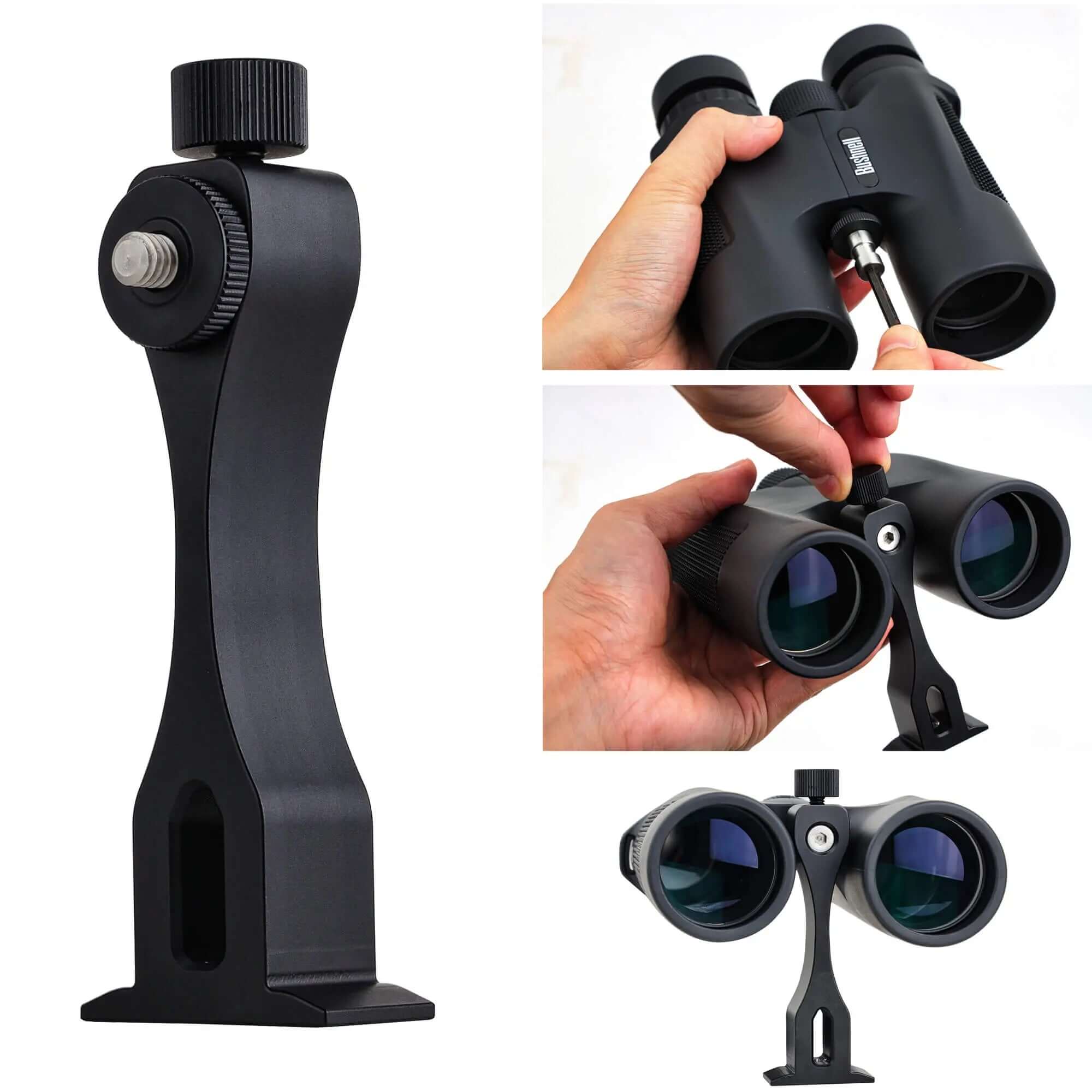
Binocular adapters help attach binoculars securely to a tripod. They fit around the binocular body and connect to the tripod mount. Choose an adapter that matches your binocular model for a snug fit. Tighten the adapter screws to hold binoculars firmly. This setup reduces hand shake and improves viewing comfort.
Securing binoculars to a tripod ensures stable and clear images. Use the tripod’s quick-release plate for easy mounting. Align the adapter’s screw hole with the tripod plate and tighten it well. Double-check the connection before use to avoid accidental drops. A secure setup allows long birdwatching sessions without fatigue.
Credit: powrig.com
Adjusting For Stability
Balance is key for stable birdwatching with tripod binoculars. Spread the tripod legs wide to create a steady base. Keep the binoculars centered above the tripod head to avoid tipping.
Adjust the tripod height to match your eye level. This reduces neck strain and keeps your view clear. Use the tripod’s locking knobs to fix the height firmly.
- Check the binoculars’ weight capacity for your tripod.
- Use a tripod with a sturdy center column for better support.
- Make small height adjustments to keep the binoculars steady.
- Ensure all locks are tight before observing.
Positioning For Best View
Position the binoculars so the bird fills most of your view. Adjust the tripod height to match your eye level. Move the binoculars slowly to find clear sight. Small shifts can reveal better angles. Keep the binoculars steady to avoid shaking.
Glare can block your view. Avoid bright sunlight behind you. Try to have the sun at your side or behind the bird. Use your hand or a hat to block light if needed. A lens hood can help reduce glare too.
Testing The Setup
Check the clarityof the binoculars by focusing on a distant object. Adjust the focus ring slowly until the image looks sharp. Make sure both eyes see a clear picture without strain.
Try different distances to confirm the binoculars stay sharp at all ranges. If the image blurs, adjust the focus again. Fine-tuning helps catch small bird details.
- Adjust the tripod height for a comfortable viewing position.
- Make sure the binoculars are steady and do not shake.
- Use the tripod’s pan and tilt controls smoothly.
- Keep your neck and back relaxed to avoid discomfort.
Comfort is key for longer birdwatching sessions. Take breaks if needed to rest your eyes and body.
Maintaining Equipment
Keeping binoculars clean is very important. Use a soft brush or air blower to remove dust. A microfiber cloth gently wipes the lenses. Avoid using rough materials that can scratch lenses. Use lens cleaning solution only when needed, not often.
Store the tripod and binoculars in a dry place. Moisture can damage the parts. Keep them in a protective case to avoid dust and scratches. Make sure the tripod legs are folded properly and locked. This helps prevent damage during storage or transport.

Credit: powrig.com
Frequently Asked Questions
How Do I Attach Binoculars To A Tripod?
Align the binoculars’ tripod adapter with the tripod head. Secure the adapter by tightening the screw until firm. Ensure stability before use to prevent shaking during birdwatching.
What Tripod Height Is Best For Birdwatching?
Choose a tripod height matching your eye level for comfort. Adjustable tripods are ideal for varying terrains and positions. This helps maintain a steady view and reduces neck strain.
Can All Binoculars Be Used With Tripods?
No, only binoculars with a tripod adapter or tripod thread fit. Check your binoculars’ specifications for compatibility before purchasing a tripod. Using an adapter ensures secure and stable attachment.
How Do I Stabilize Binoculars On A Tripod?
Use a sturdy tripod with locking mechanisms on legs and head. Tighten all screws and adjust the angle carefully. Avoid touching the binoculars while observing to minimize vibrations.
Conclusion
Setting up tripod compatible binoculars makes birdwatching easier and more fun. A steady view helps you see birds clearly. Always check the tripod and binoculars fit well together. Adjust the height and angle for comfort. Practice using your setup before you head outside.
This simple process improves your birdwatching experience. Enjoy spotting birds without strain or shakiness. Keep your gear ready and enjoy nature’s beauty with clear, steady views.