Are you tired of shaky views ruining your outdoor adventures? When choosing binoculars, you might have come across terms like “image stabilized” and “regular” binoculars.
But what do these really mean for you? Understanding the difference can change the way you see the world—literally. You’ll discover how image stabilized binoculars can bring crystal-clear, steady views even when your hands aren’t perfectly still. Keep reading to find out which option suits your needs and how you can make the most of every moment spent exploring.
Credit: www.birdwatching.co.uk
Image Stabilization In Binoculars
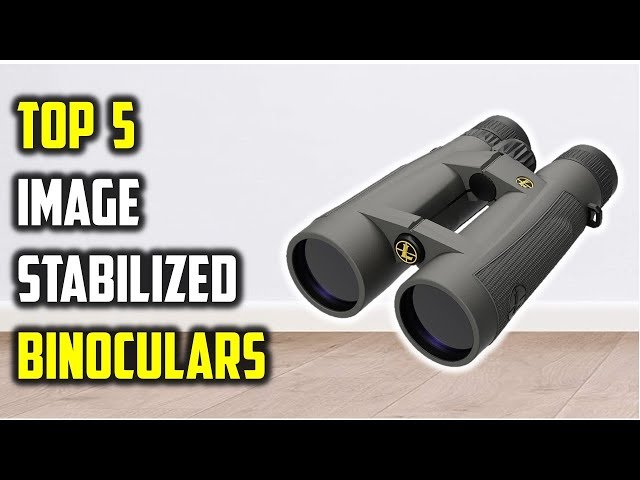
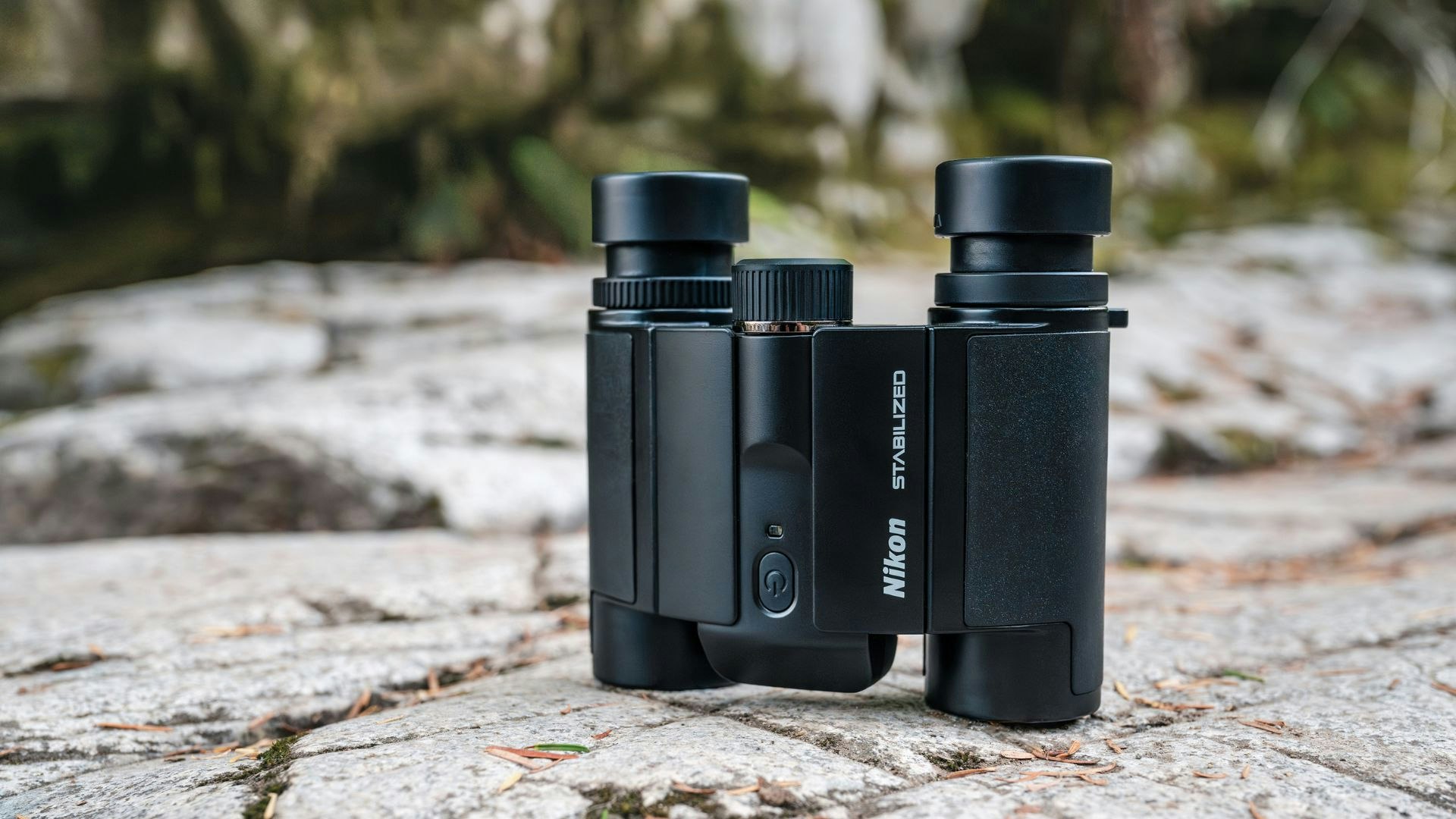
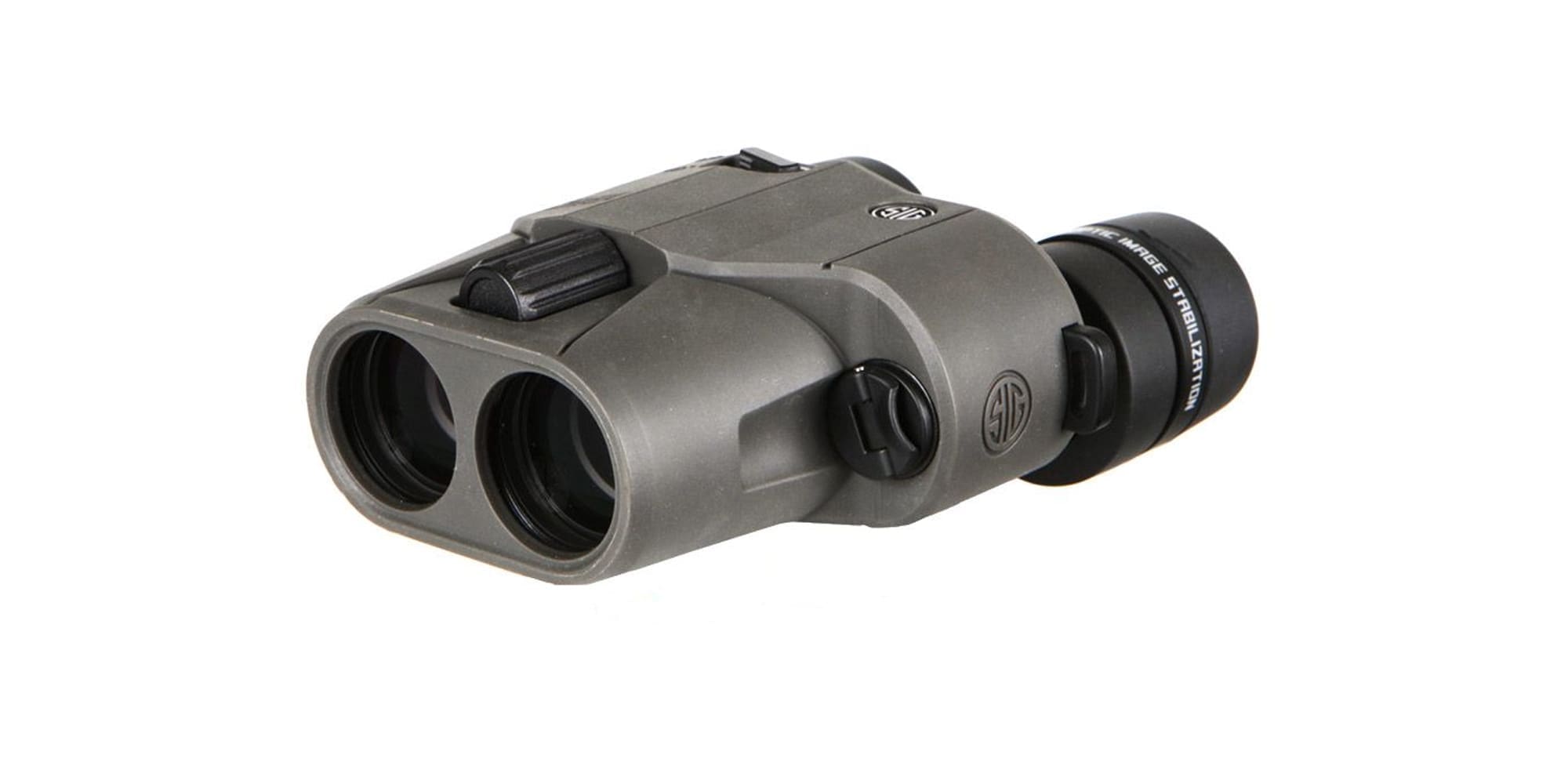
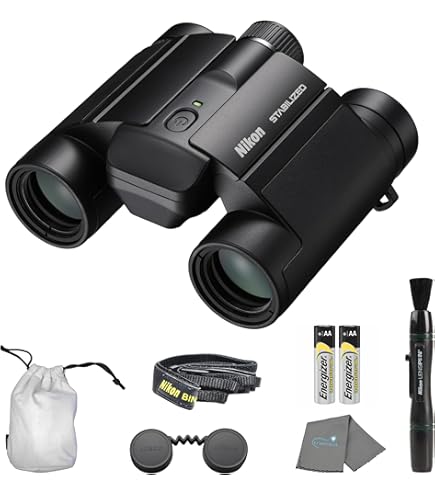
Image stabilizationin binoculars helps keep the view steady. It reduces the shaking caused by hand movements or walking. This makes it easier to see distant objects clearly without blur.
How image stabilization works:Sensors detect small shakes or vibrations. The binoculars then adjust lenses or internal parts to cancel these movements. This keeps the image stable even if your hands move slightly.
Benefits of image stabilization:
- Clearer, sharper images at high zoom levels
- Less eye strain during long use
- Better viewing in moving situations, like on boats or cars
- Improved focus on small or distant objects
Technologies used for stabilization:
| Technology | Description |
|---|---|
| Gyroscope Sensors | Detects motion and sends signals to adjust lenses. |
| Electromagnetic Lens Shift | Moves lenses inside the binoculars to reduce shake. |
| Fluid Damping | Uses fluid to smooth out movements and vibrations. |
Regular Binoculars
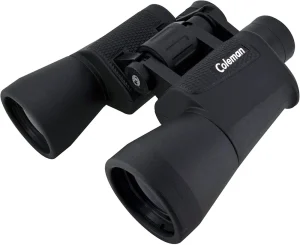
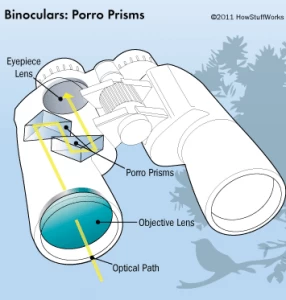
Regular binoculars use simple lenses to make far objects look closer. They do not have special parts to stop shaking. This makes them light and easy to carry. Many people use them for hiking, birdwatching, or sports events.
- Lightweightand easy to hold for a long time.
- Less expensivethan binoculars with image stabilization.
- Simple design means fewer parts can break.
- Good for clear, steady views at close to medium distances.
Without stabilization, small hand movements can make images blurry. Holding binoculars steady is hard, especially at high zoom levels. This can cause eye strain or tired arms after a while. Regular binoculars need a steady hand or a tripod for best views.
Comparative Analysis
Image stabilized binoculars reduce shaking for clearer views, especially at high magnifications. Regular binoculars lack this feature but are simpler and lighter. Comparing both helps choose based on your needs and usage conditions.
Performance In Various Conditions
Image stabilized binocularsreduce hand shake and vibrations. This helps keep the view steady. They work best in low light and at high magnifications. Regular binocularsrely on steady hands. They may show shaky images if you move or stand on a boat.
Price And Accessibility
| Type | Price Range | Availability |
|---|---|---|
| Image Stabilized | Higher cost | Less common, special stores |
| Regular | More affordable | Widely available |
Suitability For Different Activities
- Image stabilized binocularsare great for boating, bird watching, and sports.
- Regular binocularswork well for hiking, camping, and casual use.
- Image stabilized types help in shaky or moving conditions.
- Regular types are lighter and easier to carry long distances.
User Experience
Ease of Use:Image stabilized binoculars require less effort to keep steady. They help reduce hand shake and make viewing smoother. Regular binoculars need a steady hand for clear images.
Comfort and Handling:Image stabilized models are often heavier due to extra parts inside. This can make them less comfortable for long use. Regular binoculars are lighter and easier to carry around.
Maintenance and Durability:Regular binoculars usually have fewer moving parts, so they need less care. Image stabilized binoculars have more complex mechanics, which might need more maintenance. Both types can be durable if handled well.
Choosing The Right Binoculars
Choosing binoculars depends on your personal needsand how you plan to use them. Some people prefer image stabilized binocularsfor steady views, especially during long observation times or when using high magnification.
Budget is also key. Regular binoculars usually cost less and are good for casual use. Image stabilized models tend to be pricier but offer clearer images when your hands shake.
- Personal preferences:Comfort, weight, and ease of use matter.
- Budget considerations:Decide how much to spend based on use.
Credit: westernhunter.net
Credit: www.amazon.com
Frequently Asked Questions
What Are Image Stabilized Binoculars?
Image stabilized binoculars use technology to reduce hand shake effects. They provide clearer, steadier views, especially at high magnifications or long distances.
How Do Regular Binoculars Differ From Image Stabilized Ones?
Regular binoculars lack built-in stabilization. They rely on steady hands or tripods. Image stabilized models actively counteract movement for sharper images.
Are Image Stabilized Binoculars Worth The Extra Cost?
Yes, if you need clear views in shaky conditions. They are ideal for birdwatching, boating, or long-distance observation where steady images matter.
Can Regular Binoculars Cause Eye Strain?
Yes, shaky images from regular binoculars can cause eye fatigue. Image stabilized binoculars minimize movement, providing more comfortable viewing for extended periods.
Conclusion
Image stabilized binoculars reduce shaking for clearer views. Regular binoculars rely on steady hands to stay sharp. For long use or shaky conditions, image stabilization helps a lot. They often cost more but improve comfort and focus. Regular binoculars work well for casual use and short periods.
Choose based on your needs and budget. Both types offer good views in different situations. Understanding these differences makes your choice easier. Pick what fits your activities best. Clear vision matters most.