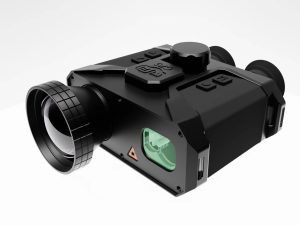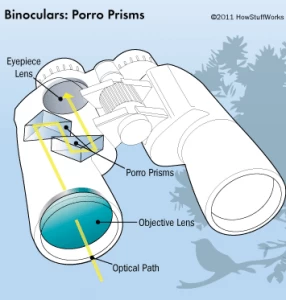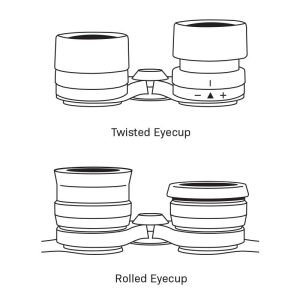
When winter arrives, your night vision binoculars need special care to stay in top shape. If you don’t store them properly, cold temperatures and moisture can damage your gear.
You want your binoculars ready and working perfectly when you need them next. You’ll discover simple, effective ways to protect your night vision binoculars during the cold months. Keep reading to make sure your investment lasts for many winters to come.
Choosing The Right Storage Location
Night vision binoculars should be stored in places with stable, moderate temperatures. Avoid areas that get very hot or freezing cold. Sudden temperature changes can cause fogginginside lenses and damage electronic parts.
Keeping binoculars in a dry environmentis very important. Moisture can lead to mold growthand rust on metal parts. Use silica gel packs or other moisture absorbers to keep the storage area dry.
- Choose a room with consistent temperature, like a closet or cabinet.
- Avoid storing near heaters, windows, or outside walls.
- Keep binoculars in a padded case to protect from dust and bumps.
Cleaning Before Storage
Remove any dirt or dust from the binoculars using a soft brush. Avoid using rough cloths that can scratch the lens. Use a microfiber cloth to gently wipe the lenses. This prevents damage and keeps the view clear.
For stubborn dirt, use a lens cleaning solution made for optics. Apply the solution to the cloth, not directly on the lenses. Wipe in a circular motion to avoid streaks.
| Lens Care Tip | Reason |
|---|---|
| Use lens caps | Protect lenses from dust and scratches |
| Store in a dry place | Prevents mold and moisture damage |
| Clean lenses regularly | Maintains clear vision and device longevity |
Using Protective Cases
Hard casesprotect night vision binoculars from shocks and drops. They keep out dust, dirt, and moisture. Such cases often have foam paddinginside to hold the binoculars tightly. This prevents movement that can cause damage. Hard cases are usually durableand last many years. They are great for travel or rough storage conditions.
Soft casesare lighter and easier to carry. They often have padded liningto guard against minor bumps. Soft cases protect binoculars from scratches and dust. They can fit into backpacks or bags more easily than hard cases. Soft cases are good for short trips or indoor storage.
| Feature | Hard Cases | Soft Cases |
|---|---|---|
| Protection | Strong against shocks, dust, moisture | Guards from scratches and dust |
| Weight | Heavier | Lighter |
| Portability | Less easy to carry | Easy to carry |
| Best Use | Travel, rough conditions | Short trips, indoor storage |

Credit: www.amazon.com
Battery And Power Management
Remove the batteries before storing your night vision binoculars for winter. This stops power drain and keeps the device safe.
Battery corrosion can ruin your binoculars. Keep batteries dry and clean to prevent damage.
- Take out batteries to avoid leaks.
- Store batteries in a cool, dry place.
- Use a soft cloth to clean battery contacts.
- Check batteries for damage before reuse.
Humidity Control
Desiccantshelp keep moisture away from night vision binoculars. Silica gel packs are common desiccants used in storage cases. They absorb water and prevent mold or fog inside the lenses. Always check and replace them if they become saturated. Store desiccants with the binoculars in an airtight container for best results.
Maintaining the right humidity level is key to protecting your equipment. Use a small hygrometerto monitor moisture inside the storage box. Ideal humidity should be below 50%. If it rises, add fresh desiccant packs to reduce dampness. Regular checks help avoid damage caused by damp air.

Credit: www.amazon.com
Regular Inspection
Check your night vision binoculars for any cracks, scratches, or loose parts. Small damage can get worse in cold weather. Look closely at the lenses and body for signs of wear.
Test the binoculars to make sure they still work well. Turn them on and check the brightnessand focus. Make sure the image is clear and steady. This helps avoid surprises when you need them most.
- Wipe lenses gently to remove dust and dirt.
- Check battery level and replace if needed.
- Inspect protective covers and seals for damage.
- Keep binoculars dry to prevent fogging inside.

Credit: www.amazon.com
Frequently Asked Questions
How Should I Clean Night Vision Binoculars Before Winter Storage?
Clean lenses gently with a microfiber cloth to remove dust and smudges. Use lens cleaning solution if needed. Wipe the body with a dry cloth to remove dirt and moisture. Proper cleaning prevents damage and ensures clear vision after winter.
What Is The Ideal Temperature For Storing Night Vision Binoculars?
Store night vision binoculars in a cool, dry place between 40°F and 70°F. Avoid extreme temperatures and humidity to prevent internal fogging and battery damage. Consistent temperature helps maintain device performance and longevity during winter storage.
Should I Remove Batteries Before Storing Night Vision Binoculars?
Yes, remove batteries to prevent corrosion and leakage during storage. Store batteries separately in a cool, dry place. This protects the binoculars’ internal components and ensures longer battery life and device reliability after winter.
How Can I Prevent Moisture Damage During Winter Storage?
Use silica gel packets or moisture absorbers inside the storage case to keep binoculars dry. Store them in a sealed, airtight container to block humidity. Proper moisture control prevents mold, corrosion, and fogging, protecting your night vision device.
Conclusion
Storing night vision binoculars properly protects them from cold and moisture. Keep them dry and clean before putting them away. Use a sturdy case to avoid damage during winter. Store in a cool, dry place away from direct sunlight. Check batteries and remove them if not used for long.
This simple care helps your binoculars last longer and work well next season. Remember, good storage keeps your gear ready for any adventure. Take these steps to enjoy clear night vision year after year.