Are you tired of your eyes feeling tired or strained after using close-focus binoculars? You’re not alone.
Many people struggle with discomfort when looking at objects up close through binoculars. The good news is, you don’t have to suffer in silence or give up on your hobby. You’ll discover simple, effective ways to avoid eye strain and enjoy clear, comfortable viewing every time.
Keep reading, and you’ll learn easy tips that make a big difference for your eyes and your experience.

Credit: swoptics.co.uk
Causes Of Eye Strain With Binoculars
Eye strain can occur with binocular use. Close-focus binoculars can cause discomfort. The eyes work hard to keep images clear. This effort can lead to fatigue. Blurred vision might appear after a while. Headaches are common too. Using binoculars for long periods can be tough. It’s important to take breaks often.
Effects Of Close Focusing
Close focusing may lead to visual stress. The eyes adjust to see nearby objects. This adjustment can cause tiredness quickly. Eye muscles work harder with close focusing. Frequent breaks can help reduce strain. It’s helpful to look at distant objects often. This gives the eyes a chance to rest.
Common Visual Stress Factors
- Poor lighting can worsen eye strain.
- Incorrect binocular settings increase stress.
- Prolonged use without breaks is a factor.
- Using binoculars with dirty lenses affects clarity.

Credit: mohonkpreserve.medium.com
Choosing The Right Binoculars
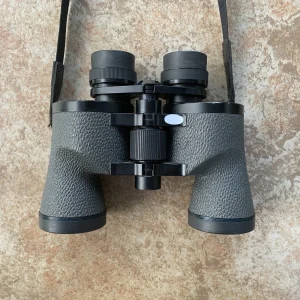
Comfortable eye reliefis key for long use of binoculars. It helps keep your eyes relaxed and avoid strain. Choose binoculars with at least 15mm eye reliefif you wear glasses. This distance lets you see the full view without moving the binoculars too close.
Magnification levelsaffect eye comfort. Higher magnification can make the image shakier and harder to focus. For close-focus use, select binoculars with 3x to 8x magnification. This range offers a clear, steady view without tiring your eyes quickly.
| Feature | Recommended Range | Why It Matters |
|---|---|---|
| Eye Relief | 15mm or more | Comfortable viewing, especially with glasses |
| Magnification | 3x to 8x | Clear image, less eye strain |
Adjusting Your Binoculars Correctly
Adjusting your binoculars correctly helps reduce eye strain. The interpupillary distance(the space between your eyes) must match the binoculars. Slide the barrels until you see a single, clear circle. This step aligns the binoculars with your eyes.
Focusing techniques are key for clear vision. First, close your right eye and use the center focus wheel to focus with your left eye. Then, close your left eye and turn the right eyepiece to sharpen the image. Open both eyes and adjust the center wheel again if needed.
- Keep the binoculars steady to avoid blurry vision.
- Take short breaks to rest your eyes.
- Adjust brightness or use lens covers if light is too strong.
Proper Usage Habits
Using close-focus binoculars for a long time can cause eye strain. To protect your eyes, limit how long you look through them without a break. Taking short rests helps your eyes relax and reduces tiredness.
- Pause every 15-20 minutes of continuous viewing.
- Look away from the binoculars and focus on distant objects.
- Blink often to keep your eyes moist and comfortable.
- Close your eyes for a few seconds to refresh them.
Regular breaks prevent discomfort and improve your viewing experience. Your eyes will thank you for these simple habits.
Lighting And Environment Tips
Using adequate ambient lightinghelps reduce eye strain. Bright light makes it easier to see details through binoculars. Avoid very dim or very bright lights, as both can cause discomfort.
Glare and reflections can hurt your eyes. Position yourself to keep light sources behind you. Use binoculars with anti-reflective coatingsto reduce glare. Keep lenses clean to avoid blurry spots that cause extra eye effort.
Eye Care Practices
Performing simple eye exerciseshelps reduce strain. Focus on a distant object for a few seconds, then shift to something close. Repeat this several times. This exercise relaxes the eye muscles and eases tension.
Staying hydratedkeeps your eyes moist and comfortable. Drinking enough water prevents dryness and irritation. Also, make sure to get enough rest. Tired eyes are more prone to strain and discomfort.
When To Seek Professional Advice
Persistent discomfort while using close-focus binoculars may signal a problem. Eye strainthat lasts beyond short breaks is a key sign. Symptoms include headaches, blurry vision, and dry eyes. These signs suggest the need for a professional check-up.
An eye specialistcan evaluate vision and binocular use. They check for issues like incorrect focus or prescription needs. A specialist may recommend eye exercises or better equipment adjustments. Regular eye exams help maintain comfort and protect vision health.

Credit: www.amazon.com
Frequently Asked Questions
How Can I Reduce Eye Strain Using Close-focus Binoculars?
Adjust the binoculars’ focus gently for a clear image. Take regular breaks to rest your eyes. Maintain proper distance and lighting to avoid strain.
Why Is Eye Strain Common With Close-focus Binoculars?
Close-focus binoculars demand intense eye muscle work for sharp focus. Prolonged use without rest causes fatigue and discomfort in your eyes.
What Is The Ideal Distance For Close-focus Binoculars?
Keep the subject at the binocular’s minimum focus distance. Usually, this ranges from 3 to 10 feet depending on the model. Staying within this distance prevents eye strain.
How Often Should I Rest My Eyes During Use?
Rest your eyes every 20 minutes for at least 20 seconds. This reduces muscle fatigue and prevents long-term eye strain when using binoculars.
Conclusion
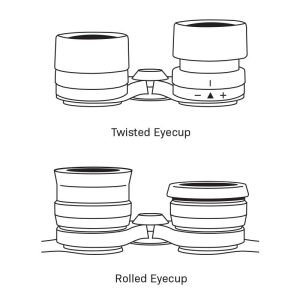
Protecting your eyes is key when using close-focus binoculars. Take regular breaks to rest your vision. Adjust the focus slowly and gently for comfort. Keep your binoculars clean to avoid blurry views. Use the right eyecups to reduce glare and strain.
These simple habits help you enjoy clear, sharp images longer. Eye strain can ruin your experience, so stay mindful. Small changes make a big difference in comfort. Enjoy your close-up viewing without discomfort or pain.