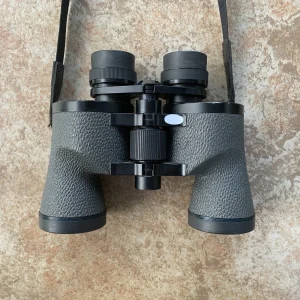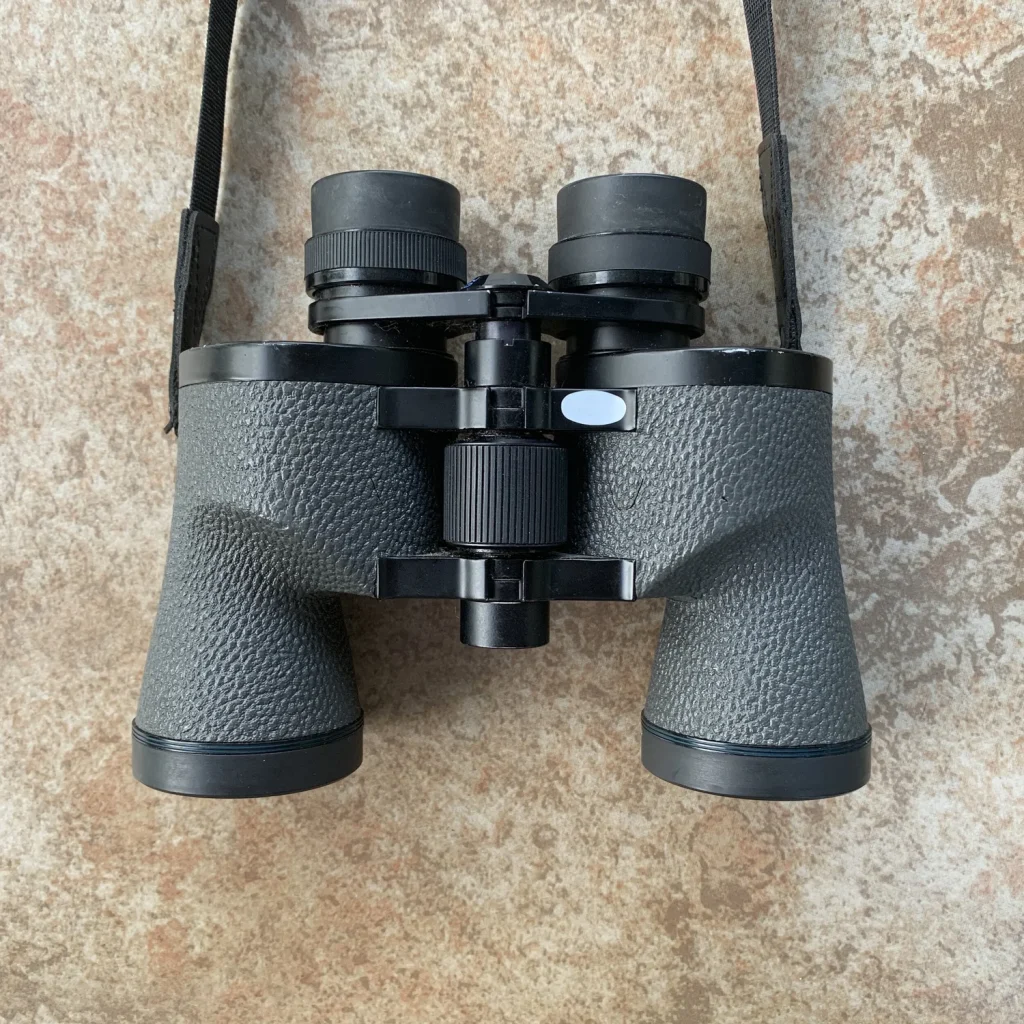
If you love exploring the outdoors, using Porro prism binoculars can completely change how you see nature. These binoculars give you clear, bright views that bring every detail of birds, wildlife, and landscapes right to your eyes.
But do you know the best way to use them to get the sharpest images and avoid common mistakes? This guide will walk you through simple steps to help you make the most of your Porro prism binoculars. By the end, you’ll feel confident spotting even the smallest details in your natural surroundings.
Keep reading to unlock the full power of your binoculars and elevate your nature observation experience.

Credit: www.amazon.com
Choosing The Right Porro Prism Binoculars
Magnificationshows how close objects appear. A 7x or 8x magnification works well for nature. Larger magnification can make the view shaky. Lens sizeaffects brightness. Bigger lenses let in more light, giving a clearer view in low light.
The field of viewis how wide an area you can see. A wider view helps spot moving animals easily. Check this feature before buying.
Weightmatters for long walks. Lightweight binoculars are easier to carry. Compact designs fit in bags or pockets. Balance between size and comfort is key.
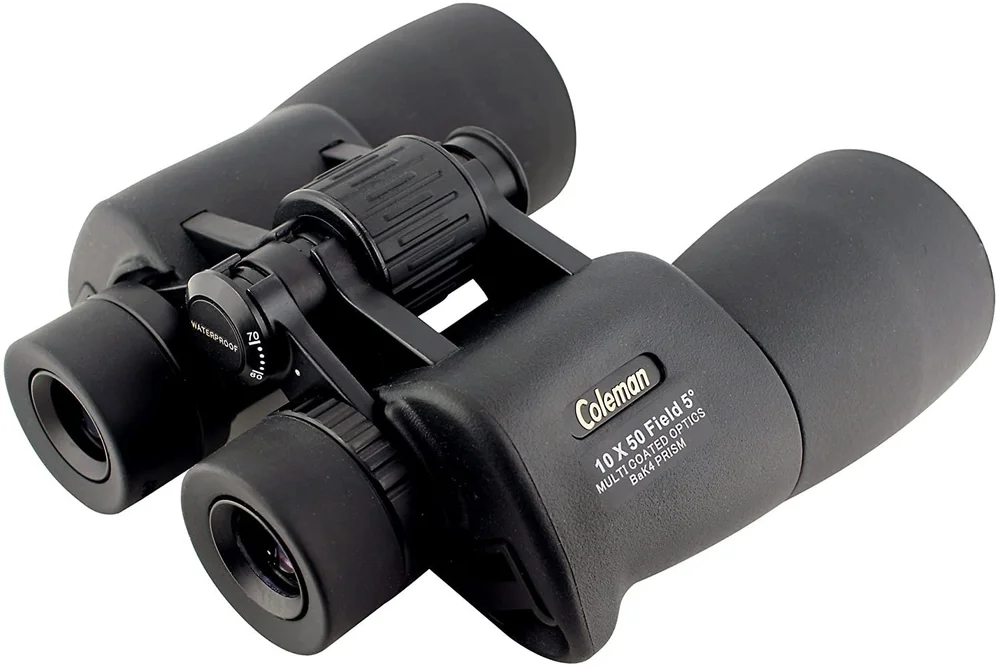
Credit: www.colemanoptics.com
Setting Up Your Binoculars
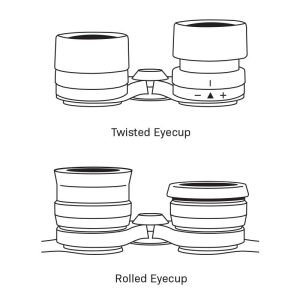
Adjusting the eyecupshelps protect your eyes and improve viewing comfort. Twist or fold the eyecups based on whether you wear glasses. Eyecups fully extended suit those without glasses. Folded eyecups work better with glasses. This adjustment keeps the binocular lenses at the right distance from your eyes.
Focusing techniquesmake the view clear and sharp. Start by closing your right eye and turning the center focus wheel. Adjust it until the image looks clear for your left eye. Then close your left eye and use the diopter ring on the right eyepiece. This adjusts for differences between your eyes. Open both eyes and use the center wheel for final focus.
Calibrating the diopteris key for sharp images. Look at a distant object with your left eye only. Focus it using the center wheel. Then close your left eye and open your right eye. Adjust the diopter ring until the object is clear. This ensures both eyes see in focus without strain.
Optimizing Your Viewing Experience
Adjust the focus slowly to see clear details of birds and animals. Hold the binoculars steady for sharp, stable views during nature walks. Choose the right light and distance to enjoy vivid, close-up scenes outdoors.
Stabilizing Your Binoculars
Keep your hands steady for clear views. Hold binoculars close to your eyes. Use both hands to balance them. Avoid shaking or moving them too fast. Rest elbows on a firm surface to reduce movement.
Using Tripods And Supports
A tripod can improve stability. Attach binoculars to the tripod securely. Adjust the height for comfort. Ensure the tripod is on a stable ground. Supports like bean bags can help. Place them on uneven surfaces to steady binoculars.
Maximizing Light Transmission
Binoculars need good light to work well. Use them in bright places. Early mornings or late afternoons are best. Adjust lenses for clear images. Clean lenses often for better light. Choose binoculars with large lenses for more light.
Best Practices For Nature Observation
Choose spots with clear views and less noise. Open areas near water or trees work well. Avoid places with strong winds or bright sunlight. Early morning or late afternoon offers the best light for observation.
Track moving animals by staying quiet and still. Use slow hand movements to follow wildlife. Adjust your binoculars gently to keep animals in view. Patience is key; wait for animals to come closer or move naturally.
Minimize disturbance by wearing dull colors that blend with nature. Avoid sudden movements or loud sounds. Keep a safe distance to respect animals’ space. Use soft steps on dry ground or leaves to reduce noise.
Maintaining Porro Prism Binoculars
Cleaning lenses safelymeans using a soft brush or air blower first. This removes dust without scratching. Use a microfiber cloth and lens cleaner for smudges. Avoid using tissues or clothing, which can damage lenses. Always clean lenses gently and in circular motions.
- Storage tipsinclude keeping binoculars in a dry place.
- Use a protective case to avoid scratches and dust.
- Do not store binoculars in direct sunlight or damp areas.
Regular maintenance checkshelp keep binoculars working well. Check for loose screws or parts often. Look for any fogging inside lenses, which needs professional cleaning. Make sure the focus wheel moves smoothly. Regular care extends the life of your binoculars.
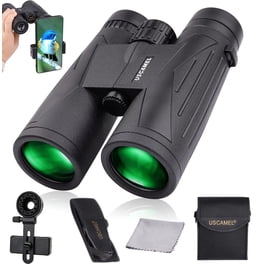
Credit: www.walmart.com
Frequently Asked Questions
What Are Porro Prism Binoculars Used For In Nature?
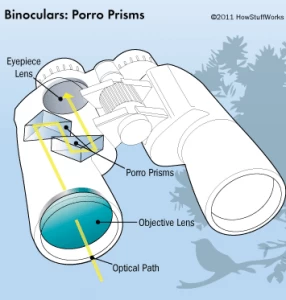
Porro prism binoculars offer a wider field of view and better depth perception. They are ideal for birdwatching and wildlife observation. Their design enhances image brightness, making them perfect for low-light conditions outdoors.
How To Adjust Porro Prism Binoculars For Clear Vision?
First, set the central focus wheel to your general eyesight. Next, close one eye and adjust the diopter ring for sharpness. Finally, open both eyes and fine-tune the central focus for a crisp, clear image.
Why Choose Porro Prism Binoculars Over Roof Prism?
Porro prism binoculars provide better depth perception and a wider field of view. They are generally more affordable and deliver brighter images. This makes them excellent for nature observation where detail and clarity matter.
How To Maintain Porro Prism Binoculars During Outdoor Use?
Always store them in a protective case when not in use. Clean lenses gently with a microfiber cloth to avoid scratches. Avoid exposing them to extreme temperatures or moisture for prolonged periods.
Conclusion
Porro prism binoculars offer clear and bright views of nature. Adjust the focus gently for sharp images. Hold the binoculars steady to avoid blurry sights. Explore different distances to find animals or plants easily. Enjoy the details that these binoculars reveal in the wild.
Practice often to improve your observation skills. Nature observation becomes more fun and rewarding this way. These simple steps help you see the outdoors better. Give yourself time to get used to the binoculars. Happy observing!