You’ve invested in thermal binoculars to see clearly in the dark and tough conditions. But have you thought about how rain and dust can harm your device?
Protecting your binoculars isn’t just about keeping them clean—it’s about preserving their performance and extending their life. You’ll discover simple, effective ways to shield your thermal binoculars from the elements. Keep reading to ensure your gear stays in top shape every time you head outdoors.

Credit: www.amazon.com
Choosing Weather-resistant Models
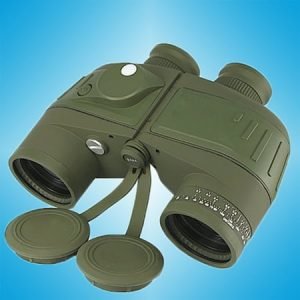
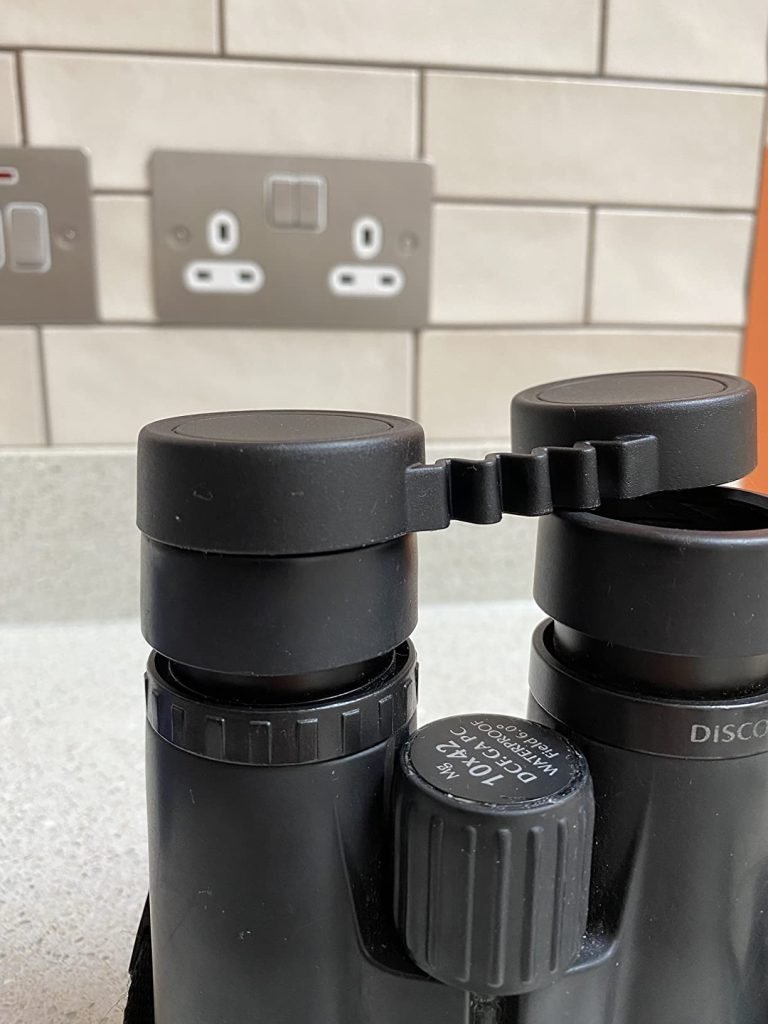
Weather-resistant modelskeep thermal binoculars safe from rain and dust. They are built to withstand tough conditions. Look for models with special coatings. These coatings help protect against moisture and debris. Some binoculars have rubber seals. Rubber seals block water and dirt. This makes them perfect for outdoor adventures.
Ip Ratings Explained
IP ratings tell how well devices resist water and dust. “IP” stands for “Ingress Protection.” Numbers follow “IP.” These numbers show protection level. Higher numbers mean better protection. An IP67 rating is very strong. It means the binoculars can handle rain and dust. Knowing the ratings helps choose the right binoculars.
Materials That Withstand Elements
- Rubber housing:Offers grip and shields against rain.
- Waterproof coatings:Prevents water from reaching internal parts.
- Dustproof seals:Stops dirt from entering.
Using Protective Covers
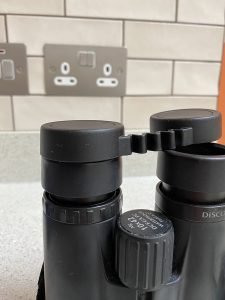
Protective covers keep binoculars safe from rainand dust. There are different types of covers to choose from. Soft covers made of neoprene or fabric are lightweight and easy to carry. Hard covers offer stronger protectionbut are bulkier. Waterproof covers prevent water from reaching binoculars during rain. Dustproof covers seal binoculars to stop dust from entering.
| Type of Cover | Material | Protection | Best Use |
|---|---|---|---|
| Soft Cover | Neoprene, Fabric | Light rain, Dust | Everyday use |
| Hard Cover | Plastic, Rubber | Strong impact, Heavy rain | Rugged conditions |
| Waterproof Cover | Waterproof Fabric | Heavy rain | Wet environments |
| Dustproof Cover | Sealed Fabric | Dust, Sand | Dry, dusty places |
Fitting covers properly is very important. Stretch the cover evenly over the binoculars. Make sure all openings are closed or sealed. Check that eyepieces and lenses are fully covered. Avoid loose areas where water or dust can enter. Tighten straps or fasteners securely to hold the cover in place.
Cleaning After Exposure
Use a soft, lint-free cloth to clean the lenses gently. Avoid using rough materials that can scratch the glass. A microfiber cloth works best for wiping dust and moisture.
For stubborn dirt, slightly dampen the cloth with clean water or lens cleaning solution. Never apply liquid directly to the binoculars. Wipe in a circular motion to avoid streaks.
Do not use household cleaners or chemicals. They can damage the lens coating and the body of the binoculars. Always dry the binoculars completely before storing them.
| Cleaning Material | Purpose | Notes |
|---|---|---|
| Microfiber Cloth | Remove dust and smudges | Soft and lint-free |
| Lens Cleaning Solution | Clean stubborn dirt | Use sparingly, dampen cloth only |
| Clean Water | Rinse off dirt | Use minimal amount |
| Soft Brush | Remove loose dust | Use gently on lenses and body |
Storage Tips To Prevent Damage
Store thermal binoculars in a cool, dry place. Avoid spots with high humidityor direct sunlight. Keep them away from dust and dirt to prevent damage.
Use hard casesdesigned for binoculars. These provide strong protectionagainst rain and dust. Soft cases can help, but hard cases are better for rough conditions.
Desiccantslike silica gel packets absorb moisture inside cases. Place them near the binoculars to keep the air dry. Replace these packets regularly for best effect.
| Storage Tip | Why It Helps |
|---|---|
| Cool, dry place | Prevents mold and moisture damage |
| Hard protective case | Blocks rain, dust, and shocks |
| Use desiccants | Absorbs moisture inside the case |
Handling During Rain And Dusty Conditions
Protect thermal binocularsby covering them quickly during rain or dust. Use a waterproof cover or a plastic bag to keep moisture out. Avoid wiping lenses with rough cloths to prevent scratches. Dry binoculars gently with a soft, clean cloth if they get wet.
Keep binoculars in a sealed case when not in use. Store them away from direct sunlight and dust. Regularly check seals and clean lenses with lens paper or a microfiber cloth.
- Do not leave binoculars exposed to heavy rain for long.
- Avoid touching lenses with dirty or oily hands.
- Do not use harsh chemicals to clean lenses.
- Keep binoculars away from sand and dirt as much as possible.

Credit: www.amazon.com
Maintenance For Longevity
Check your thermal binoculars often for any signs of dustor water damage. Look closely at the lens and body for scratches or cracks. Clean lenses gently with a soft cloth to avoid scratches. Make sure all covers and seals are intact and tight. Loose seals let dust and rain inside, which can harm the device.
Servicing your binoculars by a professionalhelps keep them in good shape. If the image looks blurry or parts feel loose, it may need repair. Always use a service center recommended by the maker. Repairs done by experts help keep the warranty valid and protect your investment.

Credit: alisapremiercruises.com
Frequently Asked Questions
How Can I Waterproof My Thermal Binoculars?
Use a waterproof case or cover designed for your binoculars. Apply protective silicone or rubber coatings to seal gaps. Avoid exposing them directly to heavy rain whenever possible to maintain functionality and longevity.
What Is The Best Way To Clean Dust Off Thermal Binoculars?
Use a soft brush or compressed air to remove dust gently. Avoid wiping lenses with rough materials. Use lens cleaning solution and microfiber cloth for stubborn dirt to prevent scratches and maintain clear vision.
Are Thermal Binoculars Rain-resistant By Default?
Most thermal binoculars offer some rain resistance but are not fully waterproof. Check product specifications for IP ratings. Use additional protective gear in heavy rain to prevent internal damage and ensure reliable performance.
How To Store Thermal Binoculars To Avoid Dust Damage?
Store binoculars in a sealed, padded case when not in use. Keep them in a dry, cool place away from direct sunlight. Clean and dry them before storage to prevent dust buildup and moisture damage.
Conclusion
Protecting thermal binoculars from rain and dust keeps them working well. Use covers or cases to shield your device. Clean lenses gently after every use. Store binoculars in a dry, safe place. Regular care helps avoid damage and extends life.
Small steps make a big difference. Stay ready for your next outdoor adventure. Keep your gear safe and reliable. Simple habits protect your investment every time.