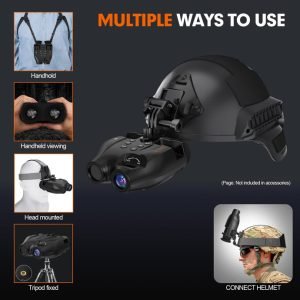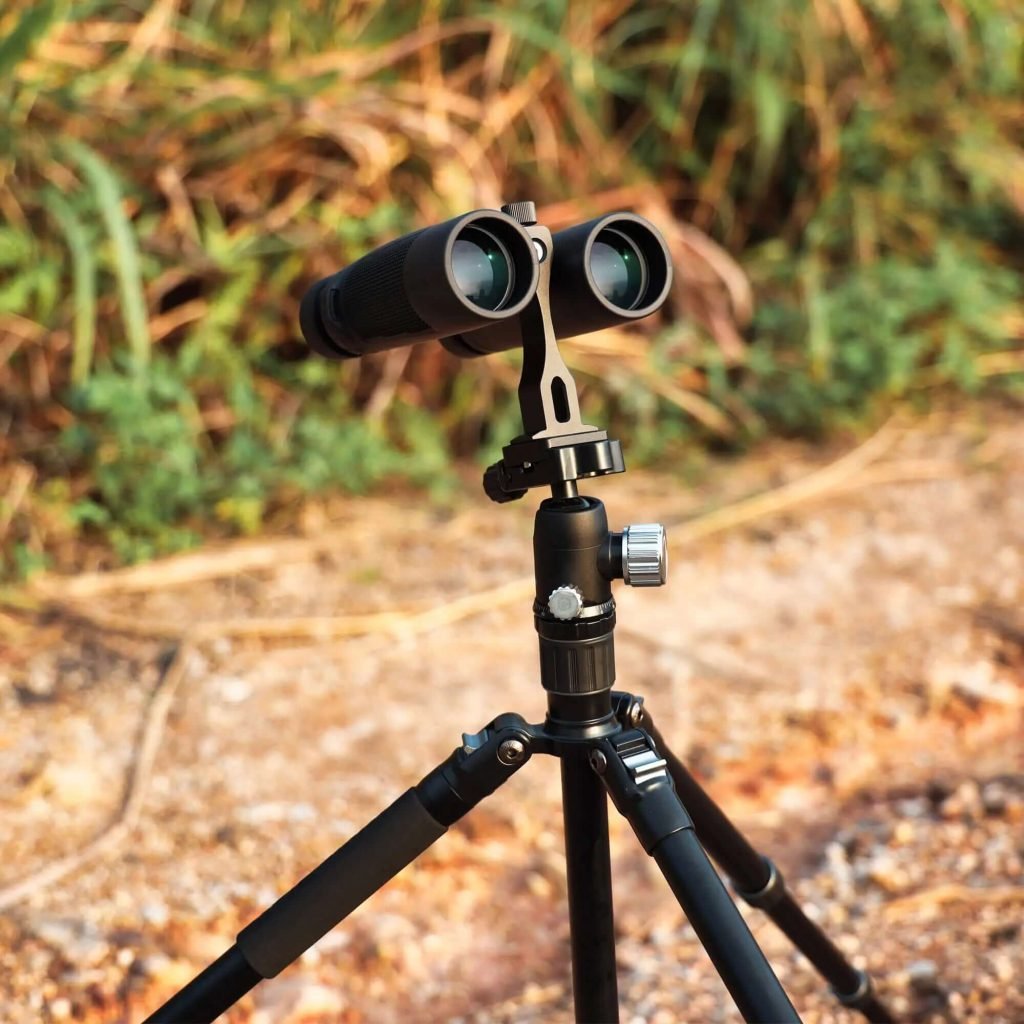
Are you ready to take your wildlife photography to the next level? Using tripod compatible binoculars can make a huge difference in capturing sharp, stunning images of animals in their natural habitat.
These binoculars not only help you see distant creatures clearly but also keep your view steady when paired with a tripod. You’ll discover simple steps and expert tips to use tripod compatible binoculars effectively. By the end, you’ll feel confident and excited to get out there and snap breathtaking wildlife photos like a pro.
Keep reading to unlock the secret to clearer, sharper shots every time.
Credit: www.facebook.com
Choosing Binoculars For Wildlife Photography
Find binoculars with high magnificationfor detailed views. Ensure they have good light transmissionfor clear images. Waterproofdesigns are best for outdoor use. Look for durablematerials to last longer. Comfortable griphelps in steady holding. Adjustable eyecupsare ideal for glasses users.
Tripod compatibilitykeeps binoculars steady. It reduces handshakeduring viewing. Easy to set up for long sessions. Allows hands-free operation for comfort. Capture clear and stable images. Great for long-duration wildlife watching.
Selecting The Right Tripod
Selecting a tripod for binoculars depends on stabilityand portability. A tripod must hold the binoculars steady to avoid blurry images. At the same time, it should be light enough to carry during wildlife trips.
| Tripod Type | Features | Best For |
|---|---|---|
| Compact Tripods | Lightweight, easy to carry | Hiking and long walks |
| Heavy-Duty Tripods | Very stable, supports heavy binoculars | Stationary photography spots |
| Flexible Tripods | Bendable legs for uneven ground | Rough terrains and trees |
Choose a tripod that fits your travel style. Stability is key for clear views. Portability helps in moving quietly and fast. Always test your tripod with the binoculars before going outside.
Mounting Binoculars On A Tripod
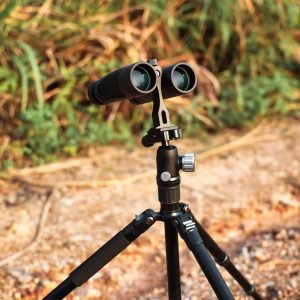
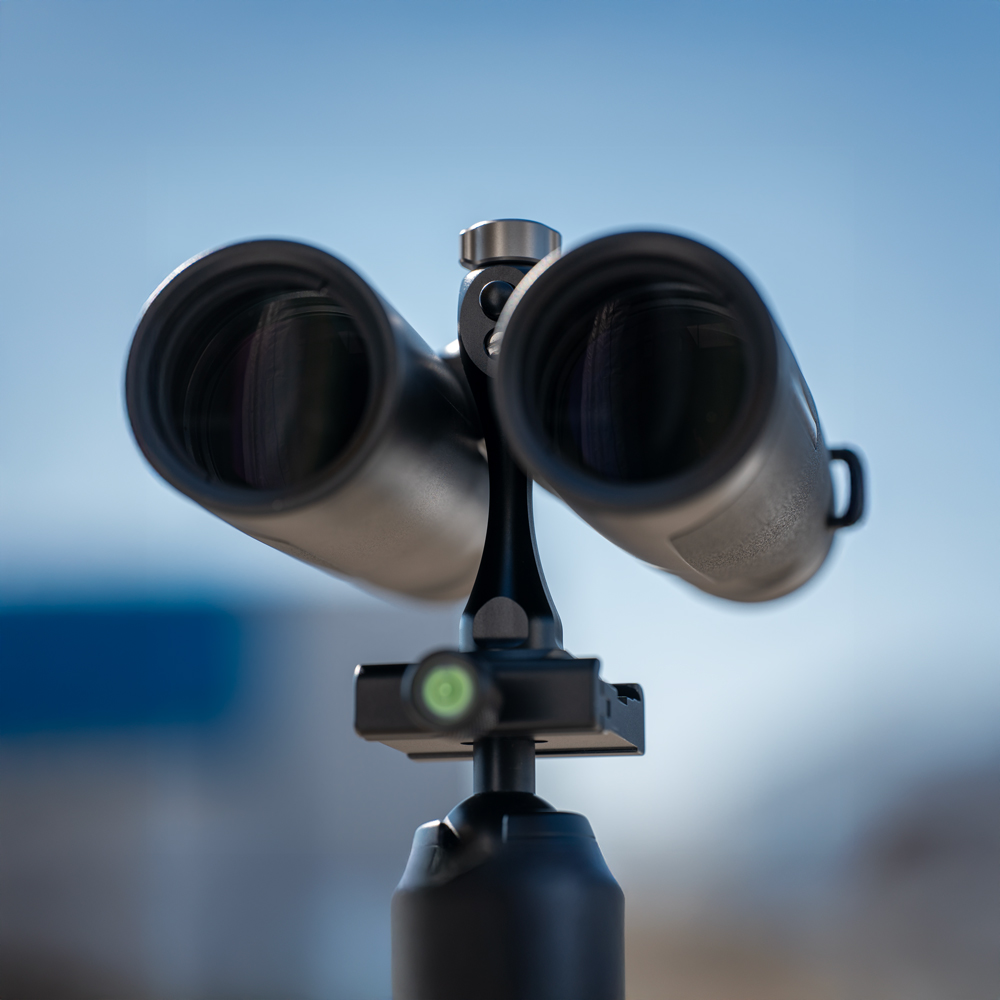
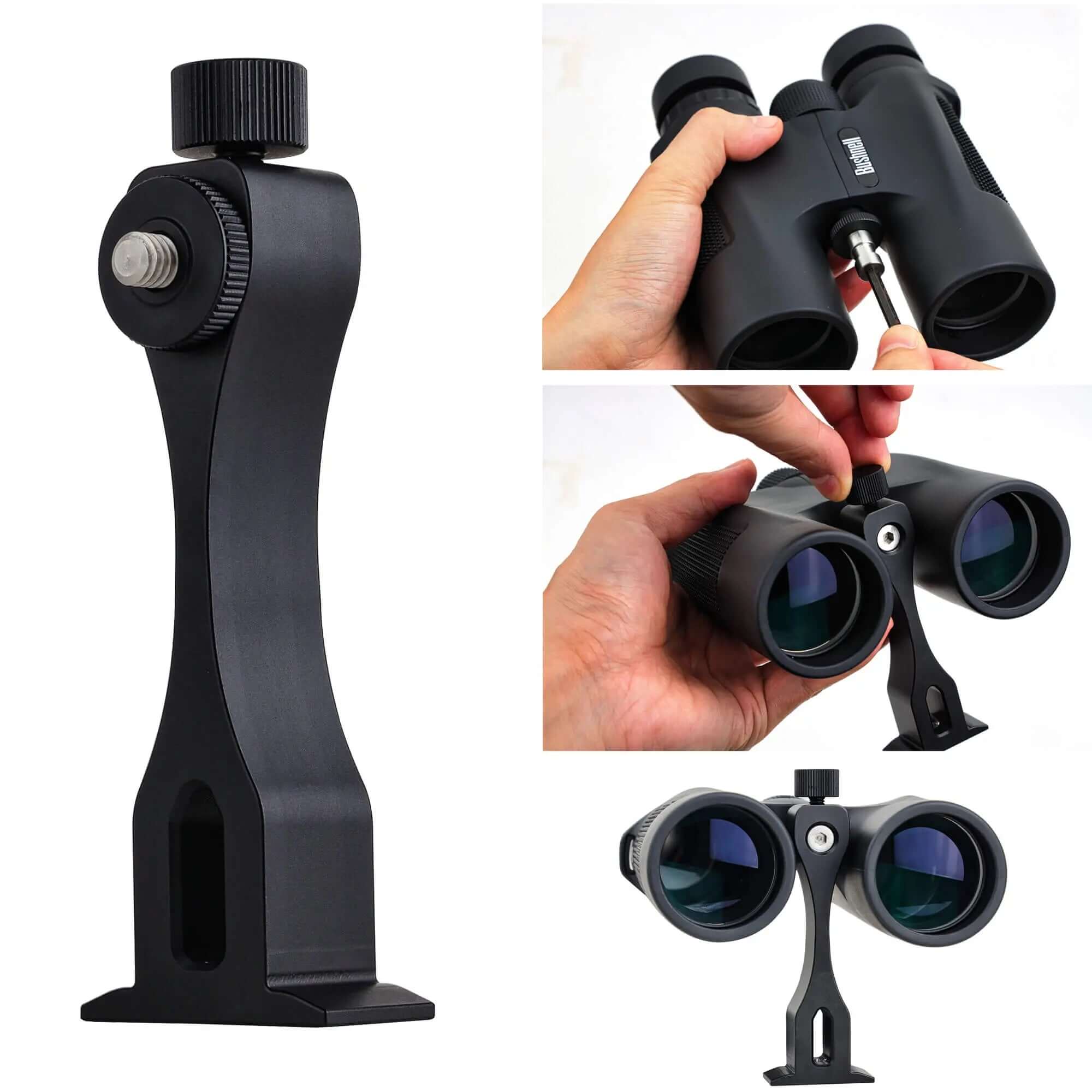
Tripod adapters help attach binoculars securely to the tripod. These adapters fit most binocular models and provide a stable base. The adapter usually screws into the tripod’s mounting plate.
Make sure the adapter matches your binocular’s size. Tighten screws firmly to avoid shaking. A stable setup helps capture clear, sharp images.
- Check the adapter fits well on binoculars.
- Attach the adapter to the tripod plate.
- Securely tighten all screws and clamps.
- Test stability by gently shaking the binoculars.
- Use a tripod with adjustable height for comfort.
Securing the setup prevents unwanted movement during shooting. Use locking knobs and clamps on the tripod head. This keeps binoculars steady, even if you move slightly.
Techniques For Steady Viewing
Start by gently rotating the focus wheel until the image is clear. Avoid sudden moves. Zoom slowly to keep the subject sharp. Small adjustments make a big difference.
- Use a sturdy tripod to hold the binoculars steady.
- Keep your hands off the binoculars once mounted.
- Press the tripod handle softly to reduce shakes.
- Use a remote shutter or timer to avoid touching the tripod.
- Choose a spot with less wind to avoid vibrations.
Capturing Wildlife Photos
Pairing binoculars with camerashelps capture clear wildlife photos. Use binoculars with a tripod adapterto attach them to a camera tripod. This setup keeps the view steady and reduces shaking. Align the binocular lenses with the camera lens. Adjust the focus on both the binoculars and camera to get sharp images.
Smartphone adapters make it easy to use your phone with binoculars. Clip the adapter securely to the binocular eyepiece. Place your phone camera lens inside the adapter hole. This allows your phone to take photos through the binoculars. Keep the phone steady for better image quality.
- Use a stable tripod for clear shots
- Adjust binocular focus before shooting
- Align phone camera lens with binocular eyepiece
- Secure smartphone adapter tightly
- Use camera zoom after focusing through binoculars

Credit: www.youtube.com
Tips For Effective Wildlife Observation
Early morning or late afternoon offers the best lightfor wildlife photography. Animals tend to be more active during these times. Choose locations near water sources or dense trees. These spots attract many animals and provide good cover.
Stay as quiet as possibleto avoid scaring wildlife. Move slowly and avoid sudden actions. Patience is key; animals may take time to appear. Wait calmly and watch carefully. Use your tripod binoculars to keep steady views without noise.
Care And Maintenance
Use a soft cloth to clean lenses gently. Avoid using rough materials that can scratch them. Use lens cleaning solution made for optics only. Wipe the tripod with a damp cloth to remove dirt and dust. Check for loose screws and tighten them carefully.
Store binoculars in a dry, cool place. Keep them in their case to protect from dust and damage. Avoid leaving them in direct sunlight or hot areas. For the tripod, fold it properly and use a carrying bag. This helps prevent scratches and bending during transport.
Credit: powrig.com
Frequently Asked Questions
What Makes Binoculars Tripod Compatible For Wildlife Photography?
Tripod compatible binoculars have a threaded socket to attach securely to a tripod. This feature stabilizes the view, reduces hand shake, and allows steady observation of distant wildlife, enhancing photo quality and comfort during long sessions.
How Do I Mount Binoculars On A Tripod Correctly?
Align the tripod’s mounting plate with the binoculars’ threaded socket. Screw in firmly but avoid overtightening. Ensure the binoculars sit balanced and stable on the tripod to prevent wobbling or accidental falls while observing wildlife.
Can Tripod Use Improve Wildlife Photography Results?
Yes, using a tripod stabilizes binoculars, resulting in sharper images. It reduces hand fatigue and allows longer observation periods. This stability is crucial for capturing clear, detailed photos of moving or distant wildlife subjects.
What Tripod Features Are Best For Binocular Wildlife Photography?
Choose a tripod with adjustable height, sturdy legs, and a smooth pan-and-tilt head. Lightweight but durable materials like aluminum or carbon fiber are ideal for outdoor use. These features ensure stable, flexible positioning for optimal wildlife viewing.
Conclusion
Using tripod compatible binoculars helps capture clear wildlife photos. Stable support reduces shaking and improves image sharpness. Adjust the tripod height for the best angle. Take your time to focus and frame your subject. Practice often to get comfortable with your gear.
Enjoy nature while capturing beautiful wildlife moments. This method makes wildlife photography easier and more fun. Keep exploring and improving your skills with patience.