When you’re using image stabilized binoculars, every detail matters. You want the clearest, sharpest view possible, right?
The coatings on the lenses play a huge role in making that happen. But which coatings actually improve image clarity and help you see with more precision? If you’ve ever wondered how to get the best performance from your binoculars, this article will guide you through the key coatings you need to look for.
By the end, you’ll know exactly what to check so your next viewing experience is brighter, clearer, and more enjoyable. Keep reading to discover the coatings that make all the difference.
Credit: www.amazon.com
Types Of Coatings On Binoculars
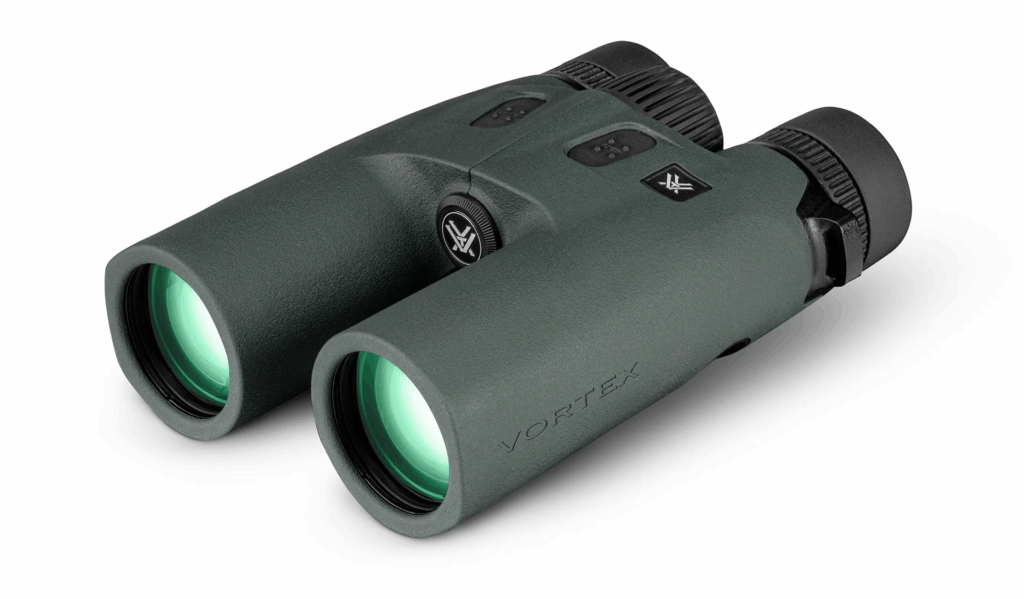
Coatings like fully multi-coated lenses reduce glare and boost light transmission. Phase correction coatings on prisms enhance sharpness and clarity in image stabilized binoculars. These coatings work together to deliver clearer, brighter views.
Single Coating
Single coating means one layer of material on each lens surface. This layer helps reduce light reflection. With less reflection, the image becomes clearer. It also enhances brightness in low light.
Multi-coating
Multi-coating uses several layers on each lens. These layers further reduce reflections. This makes images even sharper. Colors appear more vivid. Multi-coated lenses provide better clarity than single coated ones.
Fully Multi-coating
Fully multi-coating applies multiple layers to all lens surfaces. This is the best option for clarity. It offers the highest light transmission. Images are bright and crisp. It is ideal for all lighting conditions. This coating improves overall binocular performance.
Role Of Anti-reflective Coatings
Anti-reflective coatingshelp reduce glare on lenses. Glare makes images look blurry and less clear. These coatings allow more light to pass through the lens without bouncing off. This makes the view brighter and sharper.
They also enhance light transmission. More light means better image brightness and color. This is very important in low light or night use. Coatings work by reducing reflections on all glass surfaces inside the binoculars. The result is a clearer and more detailed image.
Impact Of Phase Correction Coatings
Phase correction coatingsimprove binocular image clarity by fixing light wave shifts. These coatings help lenses align light waves better, which boosts image resolution. Clearer details become visible, making distant objects sharper and easier to see.
These coatings also enhance contrast. They reduce glare and stray light inside the binoculars. This creates a darker background and brighter images. The result is more vivid colors and clearer outlines.
- Fix light wave shifts for sharp images
- Improve fine detail visibility
- Reduce glare inside lenses
- Increase color vibrancy and contrast
Benefits Of Protective Lens Coatings
Scratch resistancehelps keep lenses clear and safe from damage. It stops small marks that blur your view. This coating makes binoculars last longer and keep images sharp. Scratches on lenses lower the quality of what you see.
Water and fog repellencykeeps lenses clean and clear in wet weather. Water drops slide off, so your view stays sharp. Fog can blur images quickly, but this coating stops fog from forming. It helps you see well even in cold or damp places.
Coatings And Image Stabilization
Coatingson binocular lenses help reduce glare and reflections. This makes the image clearer and brighter. They allow more light to pass through the lenses. This is very important for image stabilized binocularsbecause they often have extra moving parts inside.
To optimize stabilization, coatings must be durable and smooth. They keep the lenses clean and free from dust. Some coatings also resist water and oil. This helps maintain clear vision during use.
Maintaining clarity during movement is key. Special coatings help reduce blurring caused by shaking hands or walking. This works well with the binocular’s stabilizing system to keep the view steady and sharp.

Credit: fujifilmxindia.com
Choosing The Right Coating For Your Needs
Choosing the right coating affects image clarityand brightness. Some coatings cost more but give better quality. Basic coatings reduce glare and improve light transmission. Premium coatings add sharper images and better color accuracy.
Balancing cost and quality depends on your useand budget. Simple coatings work well for casual use. More complex coatings suit users wanting clear and bright views in low light.
| Application | Recommended Coating | Benefits |
|---|---|---|
| Bird Watching | Fully Multi-Coated | Clear, bright images with accurate colors |
| Hiking | Multi-Coated | Good clarity, less glare, lightweight |
| Marine Use | Waterproof with Anti-Reflection | Clear view in wet conditions, reduced glare |
| Budget Use | Single Coated | Basic clarity, affordable |

Credit: www.amazon.sa
Frequently Asked Questions
What Coatings Enhance Image Clarity In Stabilized Binoculars?
Anti-reflective coatings reduce glare and improve light transmission. Multi-layer coatings boost brightness and contrast. These coatings sharpen image quality, making details clearer during use.
How Do Phase Correction Coatings Affect Image Sharpness?
Phase correction coatings minimize light distortion inside prisms. They increase resolution and contrast in binoculars. This results in crisper, more detailed images, especially in low light conditions.
Why Are Anti-reflective Coatings Crucial For Binocular Optics?
They reduce internal reflections that cause image haze. This enhances brightness and clarity, making the view more vivid. Anti-reflective coatings provide clearer, sharper images with less eye strain.
Can Mirror Coatings Improve Binocular Image Quality?
Yes, mirror coatings enhance light reflection on prism surfaces. They increase brightness and contrast, improving overall image clarity. These coatings are common in high-end image stabilized binoculars.
Conclusion
Choosing the right coatings makes a big difference in image clarity. Multi-coated lenses reduce glare and improve light transmission. Phase correction coatings enhance sharpness and color contrast. These coatings help you see clearer, brighter images through your binoculars. They work well with image stabilization to give steady and crisp views.
Remember, quality coatings protect lenses and improve your viewing experience. Clear images make your outdoor adventures more enjoyable and rewarding. Select binoculars with good coatings for the best results every time.