Have you ever wondered if your Porro prism binoculars can handle the toughest weather conditions? Whether you’re hiking through pouring rain, exploring snowy mountains, or facing scorching heat, knowing how your binoculars perform is crucial.
You don’t want your gear to fail when you need it most. You’ll discover the real strengths and limits of Porro prism binoculars in extreme weather. Keep reading to make sure your next adventure won’t be stopped by unexpected weather challenges.

Credit: www.newegg.com
Porro Prism Design Basics
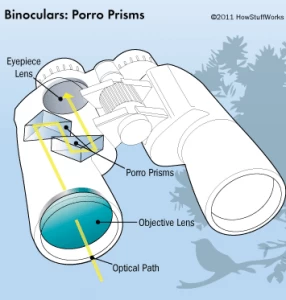
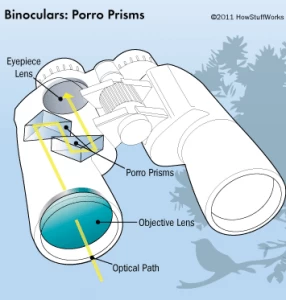
Porro prisms use two prisms inside the binoculars. These prisms bend light to make images clearer. The prisms are placed in a zig-zag pattern. This pattern helps in creating a wider field of view. Light travels through the prisms and creates bright images. Porro prism binoculars are known for their excellent depth perception. This feature is great for birdwatching and nature viewing.
- Better image quality:Porro prisms offer brighter and sharper images.
- Cost-effective:Generally less expensive than roof prism binoculars.
- Wider view:Provides a larger field of view, making it easier to spot moving objects.
- Enhanced depth:Offers superior depth perception, useful for detailed observations.

Credit: www.amazon.com
Weather Challenges For Binoculars
Extreme weather can be tough for binoculars. Common conditions include:
- Heavy rain or snow
- Strong winds
- Very hot or cold temperatures
- High humidity or fog
These conditions can cause problems for optical devices. Moisture may enter lenses and cause fogging or damage. Cold can make materials shrink or crack. Heat might warp parts or affect focus. Dust and sand can scratch lenses or block moving parts.
Using binoculars in harsh weather needs care. Sealed and waterproof designs help protect against water and dust. Rubber coatings improve grip in wet or cold conditions. Carrying cases can shield from elements when not in use.
Durability Of Porro Prism Binoculars
Porro prism binoculars often use strong materialslike rubber and metal. This helps them handle rough useand impacts. The body is built to be sturdyand resist damage from falls or bumps.
Many models come with waterproof seals. These seals stop water from entering the binoculars during rain or splashes. This keeps the lenses and inner parts dry and safe.
Fogproof features often use nitrogen or argon gasinside the binoculars. This gas stops fog or moisturefrom forming on the lenses. It helps keep the view clear in cold or humid weather.
| Feature | Benefit |
|---|---|
| Rubber Coating | Protects from shocks and improves grip |
| Waterproof Seals | Keeps water out in rain or wet conditions |
| Fogproof Gas | Prevents lens fogging in cold or humid air |
Performance In Rain And Snow
Porro prism binocularsoften feature special lens coatings. These coatings help reduce glare and improve clarityin wet conditions. They also protect lenses from water damage. This means you can see clearly even in rain or snow.
Moisture and condensation can be a problem in extreme weather. Many Porro prism binoculars have waterproof sealsto keep moisture out. Some models are also fog-proof, using nitrogen or argon gas inside. This stops lenses from fogging up during temperature changes.
- Lens coatings reduce glare and improve vision.
- Waterproof seals protect internal parts from rain.
- Fog-proof gas prevents lens fogging in cold or wet weather.
- Durable build helps handle rough weather conditions.
Handling Temperature Extremes
Porro prism binocularscan work in cold weather but with some limits. Cold can cause the lenses to fog up quickly. They may also slow down the focus mechanism. Some models have special coatings to reduce fogging. Keeping binoculars inside a warm bag helps prevent damage.
Heat can also affect Porro prism binoculars. High temperatures may cause the glue inside to weaken. This can misalign the lenses and reduce image quality. Plastic parts might become soft or warped. Metal parts may expand, making the binoculars harder to use.
| Weather Condition | Effect on Porro Prism Binoculars | Tips |
|---|---|---|
| Cold | Fogging lenses, slower focus | Keep binoculars warm, use anti-fog coatings |
| Heat | Glue weakening, warping parts | Store in shade, avoid prolonged heat exposure |
Maintenance Tips For Harsh Conditions
Cleaning lenses after use in wet or dusty places keeps binoculars clear. Use a soft cloth to wipe away dirt and water drops. Avoid harsh chemicals that might damage the lenses. Gently remove dust with a small brush or air blower. Dry the binoculars fully before storing.
Store binoculars in a dry, cool place to avoid mold and rust. A padded case protects from bumps and scratches. Keep silica gel packets nearby to absorb moisture. Avoid leaving binoculars in direct sunlight or extreme heat. Proper storage extends the life of your gear.
Comparing Porro And Roof Prism Binoculars
Porro prism binocularsusually have a wider design. This makes sealing them against moisture a bit harder. Roof prism binocularsoften have a more compact shape. This helps manufacturers add better waterproof and fog-proof seals.
Both types can be made weather-resistant. But roof prisms tend to handle rain, snow, and fogbetter. Porro prisms might let in more moisture if not sealed well.
| Feature | Porro Prism Binoculars | Roof Prism Binoculars |
|---|---|---|
| Weather Resistance | Less compact, harder to seal fully | Compact design, easier to waterproof |
| Optical Performance | Better depth perception, wider field of view | More precise alignment, sharper images |
| Durability in Extreme Weather | May fog up faster without good seals | Typically fog and water resistant |

Credit: goldeneagleking.en.made-in-china.com
Top Porro Prism Models For Extreme Weather
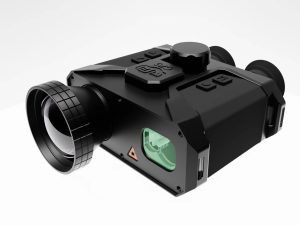
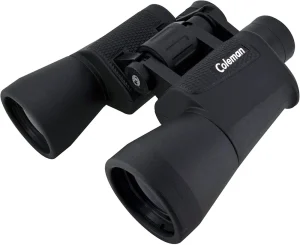
Porro prism binocularsare known for their durability and clear images. Some models are built to handle rain, snow, and dust. Look for features like waterproof seals, fog-proof lenses, and rubber armorfor better grip and shock resistance.
| Brand | Key Features | Best For |
|---|---|---|
| Nikon | Waterproof, Fog-proof, Rubber coating | Rain and snow conditions |
| Bushnell | Shock resistant, Multi-coated lenses | Rough outdoor use |
| Celestron | Waterproof, Nitrogen purged | Humid and wet environments |
Users say these binoculars handle cold and wet weatherwell. Many find the grip comfortable even with gloves. Some mention great views in fog or light rain. A few users note the lenses stay clear without fogging up. Overall, Porro prism models from these brands work well in tough weather.
Frequently Asked Questions
Can Porro Prism Binoculars Handle Heavy Rain?
Yes, many Porro prism binoculars are weather-sealed and water-resistant. However, not all models are fully waterproof. Check product specifications before use in heavy rain to ensure durability and performance.
Are Porro Prism Binoculars Fog-resistant In Cold Weather?
Porro prism binoculars with nitrogen or argon purging resist internal fogging. This feature helps maintain clear vision in cold and humid conditions. Always verify fog-proof claims before purchasing.
How Do Porro Prism Binoculars Perform In Extreme Heat?
Extreme heat can affect lens coatings and housing materials. Quality Porro prism binoculars use heat-resistant materials to maintain functionality. Avoid prolonged exposure to direct sunlight to preserve optics.
Can I Use Porro Prism Binoculars In Snowy Conditions?
Yes, if they are waterproof and fog-proof. Snow and moisture can damage non-protected binoculars. Proper sealing and protective coatings ensure reliable performance in snowy environments.
Conclusion
Porro prism binoculars can handle many tough weather conditions well. They work best if they have good sealing and waterproof features. Keep in mind, extreme cold or heavy rain might still affect their performance. Choose models made with durable materials for longer use outdoors.
Regular care and cleaning help them last longer too. These binoculars offer clear views in rain, fog, or snow. They suit hikers, bird watchers, and outdoor lovers who face nature’s challenges. In short, Porro prism binoculars can be a reliable choice in harsh weather.