Have you ever been excited to use your waterproof binoculars, only to find the lenses fogged up at the worst moment? It’s frustrating when you rely on your gear to deliver clear views, but moisture sneaks inside anyway.
You might be wondering—can waterproof binoculars really fog up? Understanding why this happens and how to prevent it can save you from missing out on important sights. Keep reading to discover the truth behind foggy lenses and how to keep your binoculars crystal clear every time you use them.
How Waterproof Binoculars Work
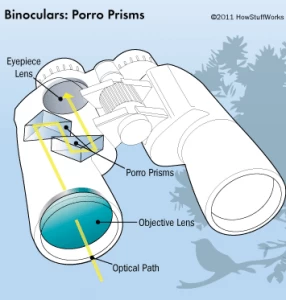
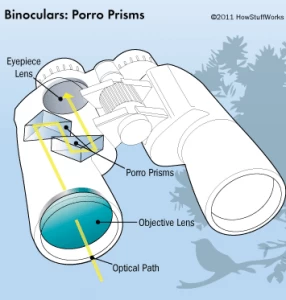
Waterproof binoculars have sealed bodies filled with nitrogen or argon gas to prevent moisture inside. This design stops fogging even in cold or wet conditions. Yet, extreme temperature changes might cause temporary fog on the lenses.
Sealing Techniques
Waterproof binoculars use special sealing techniquesto keep water out. Rubber seals are common. They block water from entering. Some binoculars have O-ring seals. These seals are very strong. They keep moisture away. Sealing is key to prevent fogging inside. Proper seals are needed for outdoor use. They protect lenses from moisture.
Materials Used
Strong materials are used to make binoculars waterproof. Rubber armorcovers many binoculars. It is durable and water-resistant. Some binoculars use polycarbonate shells. These shells are light and tough. They resist water damage. Metal parts are often corrosion-resistant. This helps them last longer. Special coatings on lenses prevent fogging. These coatings keep images clear.
Causes Of Fogging
Fogging happens when warm, moist air meets the cool lenses of binoculars. Even waterproof models can fog inside if seals fail or temperature changes quickly. Moisture trapped inside creates tiny water droplets that blur your view.
Internal Moisture
Waterproof binocularscan still fog up from moisture trapped inside. This moisture forms during manufacturing or from small leaks. When the temperature changes, the moisture turns into tiny water droplets. These droplets cause the lenses to fog, making it hard to see clearly. Some binoculars have nitrogen or argon gas inside to prevent this. But if the seal breaks, fogging can happen.
External Temperature Changes
Rapid changes in temperature cause fogging on the binoculars’ lenses. When cold binoculars meet warm, humid air, moisture condenses on the glass surface. This creates a foggy layer that blocks vision. It happens often when moving from cold outdoors to warm indoors. Keeping binoculars in a stable temperature helps reduce fogging.
Do Waterproof Binoculars Fog Up?
Waterproof binoculars are designed to keep water out. This helps prevent fog inside the lenses. The lenses have special seals and are often filled with dry nitrogen or argon gas. These gases stop moisture from forming inside.
Still, fogging can happen in some cases. Extreme changes in temperature can cause condensation on the lenses. For example, moving from cold air to warm, humid air can create fog on the outside. The waterproofing keeps inside clear but not always the outside.
| Effectiveness of Waterproofing | Limitations in Extreme Conditions |
|---|---|
|
|

Credit: www.amazon.com
Preventing Fogging
Waterproof binoculars can still fog up due to temperature changes. Anti-fog coatingson lenses help reduce this problem. These coatings stop moisture from forming tiny water drops inside the lenses.
Proper storage also plays a big role in preventing fog. Keep binoculars in a dry, cool placewhen not in use. Avoid leaving them in hot cars or damp areas. Using a silica gel packinside the case can absorb moisture.
- Store binoculars in a sealed case to keep out humidity.
- Let binoculars adjust to outside temperature before use.
- Wipe lenses gently with a soft cloth to remove moisture.
Dealing With Fogging When It Happens
Foggingcan happen even with waterproof binoculars. Quick fixes help clear the view fast. Wipe lenses gently with a soft cloth to remove moisture. Warm the binoculars by holding them close to your body or using your hands. Avoid breathing directly on the lenses as it can add more fog. Store binoculars in a dry place between uses to reduce fog build-up.
Long-term solutions keep fog away for good. Use binoculars with nitrogen or argon gas-filled lensesto prevent internal fogging. Keep silica gel packets in your binocular case to absorb moisture. Store binoculars in a cool, dry place. Regularly check seals and repair if damaged. Using a protective cover helps keep dust and moisture out.

Credit: www.amazon.com
Choosing The Right Binoculars
Waterproof binocularscan still fog up if not fully sealed. Look for models with nitrogen or argon gas filling. These gases stop moisture inside the lenses. Check the IPX ratingfor water resistance. The higher the rating, the better the protection.
Choose binoculars with rubber armorfor grip and shock resistance. Look for multi-coated lensesto improve clarity and reduce fog. A tight hingeprevents dust and water from entering.
| Brand | Waterproof Rating | Fog Proof Feature | Price Range |
|---|---|---|---|
| Vortex | IPX7 | Nitrogen filled | $$ |
| Nikon | IPX6 | Argon filled | $$$ |
| Bushnell | IPX7 | Nitrogen filled | $ |
| Zeiss | IPX8 | Argon filled | $$$$ |

Credit: www.nocsprovisions.com
Frequently Asked Questions
Can Waterproof Binoculars Fog Up Inside?
Yes, waterproof binoculars can fog up inside if their seals are damaged or compromised, allowing moisture inside. Proper maintenance and checking seals prevent this issue.
How Do Waterproof Binoculars Prevent Fogging?
Waterproof binoculars use nitrogen or argon gas to fill the interior, preventing internal fogging by displacing moisture. This keeps lenses clear in various conditions.
Is External Fogging Common On Waterproof Binoculars?
Yes, external fogging can occur due to sudden temperature changes or high humidity. Using lens covers and anti-fog sprays helps reduce this.
Can Damaged Seals Cause Binocular Fogging?
Absolutely, damaged seals let moisture enter, causing internal fogging. Regular inspection and prompt repair maintain waterproof integrity and clear vision.
Conclusion
Waterproof binoculars can still fog up in some cases. Changes in temperature and humidity cause moisture inside. Good quality binoculars have seals and gas to reduce fogging. Let them adjust to the outdoor air before use. Store them in a dry place after use.
Cleaning lenses gently also helps keep clear views. Understanding these tips makes your outdoor experience better. Keep your binoculars dry and handle them with care. Enjoy clear vision during your adventures without worry.