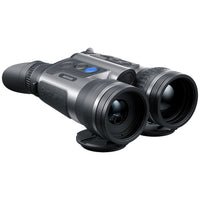
Have you ever wondered if thermal binoculars can help you see clearly through thick fog or heavy smoke? If you rely on clear vision in challenging conditions, this question is crucial for you.
Imagine being able to spot what’s hidden when your eyes can’t cut through the haze. You’ll discover how thermal binoculars work in fog and smoke, and whether they live up to the promise of seeing the unseen. Keep reading to find out how these devices could change the way you navigate low-visibility situations.

Credit: primalhunter.com.au
How Thermal Binoculars Work
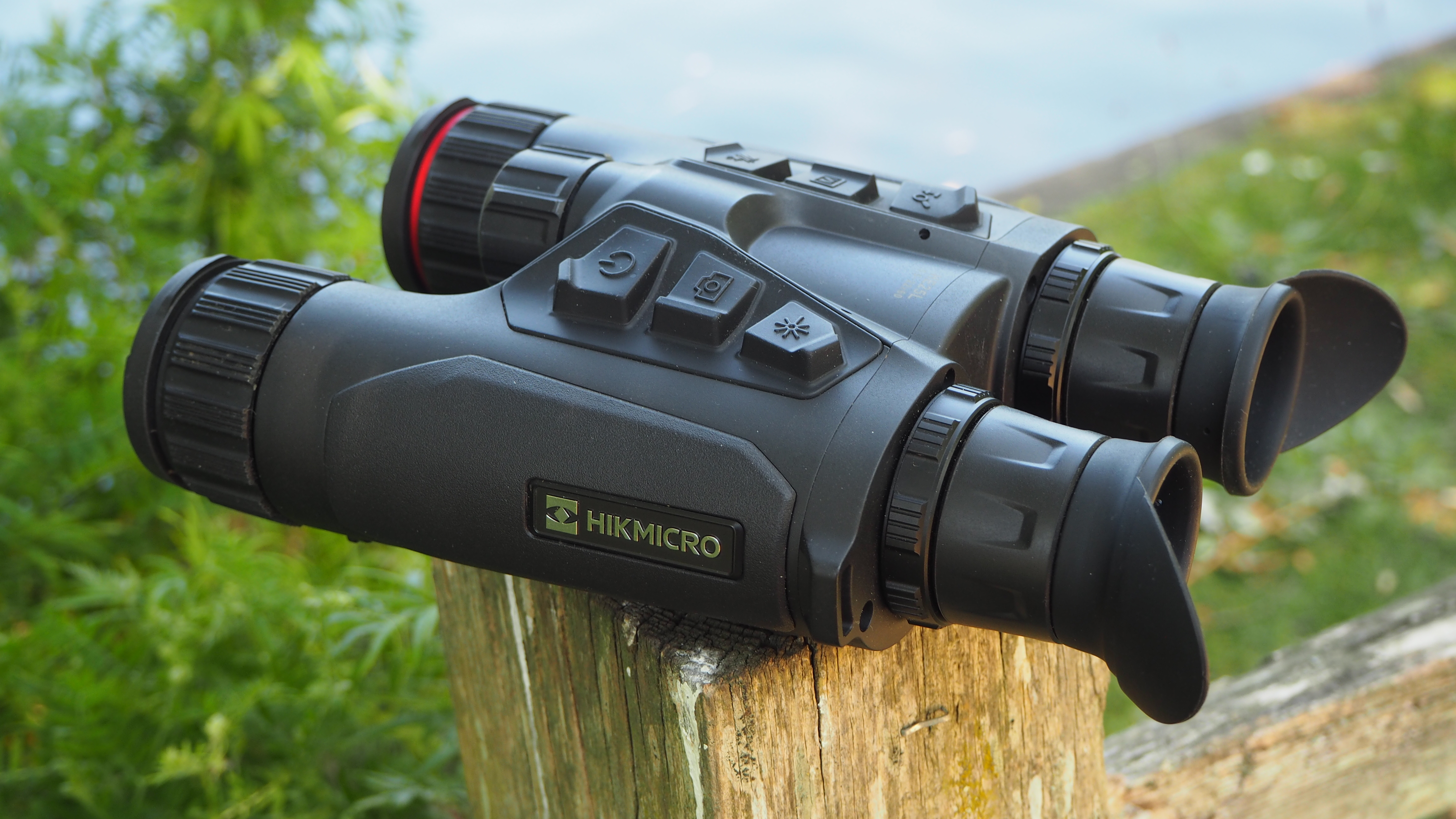
Thermal binoculars detect heat from objects, not visible light. This allows them to see through fog or smoke by capturing infrared radiation. They provide clear images even in low visibility conditions.
Basics Of Thermal Imaging
Thermal binoculars detect heatinstead of light. They see heat patterns in objects. Each object gives off a unique heat signature. This helps to identify objects in low visibility.
Difference From Night Vision
Night vision amplifies lightto see in the dark. It needs some light to work. Thermal binoculars don’t need light. They work in complete darkness. They can see through fog and smoke.
Key Components
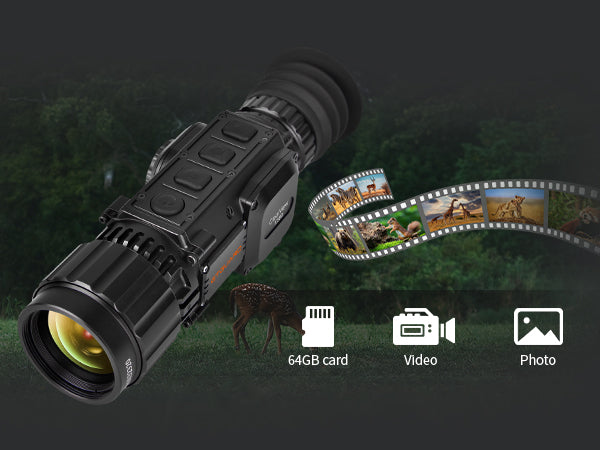
- Lens:Captures heat patterns.
- Sensor:Converts heat into images.
- Display:Shows the images to the user.
Effects Of Fog And Smoke On Visibility
Fogis made of tiny water droplets. These droplets scatter light and reduce how far you can see. Regular binoculars struggle because they rely on visible light. Fog makes images blurry and weak.
Thermal binocularsuse heat, not light. They detect temperature differences, so fog does not block their view as much. This helps see through fog better than normal optics.
Smokeis a mix of tiny solid and liquid particles in air. Smoke also blocks and scatters light, making it hard to see with regular binoculars.
Thermal devices see heat signatures through smoke, but thick smoke can still reduce clarity. Heat sources may appear less sharp if smoke is very dense.
| Factor | Effect on Optical Devices | Effect on Thermal Binoculars |
|---|---|---|
| Fog | Blocks and scatters visible light, reduces clarity | Minimal effect; thermal imaging detects heat |
| Smoke | Scatters light, reduces visibility | Can reduce sharpness if smoke is very dense |
Thermal Binoculars Performance In Fog
Thermal binocularsdetect heat, not light. They can see through some fog and smoke better than normal binoculars. This is because infrared wavescan pass through small water droplets in fog.
Infrared light helps spot warm objects like animals or people. It works well in light fog and thin smoke. But in dense fog, thick smoke, or heavy rain, the view becomes blurry or blocked.
| Infrared Penetration | Effectiveness |
|---|---|
| Light fog or thin smoke | Good visibility; warm objects seen clearly |
| Dense fog or thick smoke | Limited visibility; image becomes blurry |
| Heavy rain or water droplets | Poor visibility; infrared blocked by moisture |
Thermal binoculars have limits. Thick fog or smoke can reduce their ability. They work best in moderate conditions. Always consider weather before using them.
Thermal Binoculars Performance In Smoke
Thermal binoculars detect heat signaturesthrough infrared radiation. Smoke particles block visible light but usually do not stop heat signals. This allows thermal devices to “see” objects behind smoke layers.
Performance varies with smoke density. In light smoke, thermal binoculars offer clear images of heat sources. In thicker smoke, detection becomes harder but still possible. Dense smoke can reduce clarity and range.
| Smoke Density | Thermal Binocular Effectiveness |
|---|---|
| Light Smoke | Clear detection of heat signatures at medium range |
| Moderate Smoke | Reduced clarity; heat sources visible but less sharp |
| Dense Smoke | Limited detection; short-range viewing possible |
Advantages Over Traditional Binoculars
Thermal binocularsuse heat signatures to create images. This helps see through fog, smoke, and darkness. Traditional binoculars need light, so they struggle in these conditions.
In low-light conditions, thermal binoculars can detect warm objects easily. They do not rely on visible light, so they work well at night or in dim places. This makes them useful for safety and wildlife watching.
Weather elementslike fog, smoke, and rain often block vision with normal binoculars. Thermal binoculars reduce these effects because they detect heat, which passes through these obstacles better. This means clearer images and better performance in bad weather.
Practical Applications
Thermal binoculars work well in fog and smoke because they detect heat, not light. This helps users see through thick fog or heavy smoke where normal vision fails.
Search and Rescue Operationsbenefit greatly from thermal binoculars. Rescuers can find lost or injured people by spotting their body heat quickly. This saves time and can save lives.
For Wildlife Observation, these binoculars let watchers see animals hiding in foggy or smoky areas. Animals’ heat stands out, making them easy to spot without disturbing them.
In Security and Surveillance, thermal binoculars help guards see through fog or smoke during night patrols. They can detect intruders or threats even in poor visibility.
Tips For Using Thermal Binoculars In Fog Or Smoke
Adjust brightness and contrastfor clear images in fog or smoke. Use lower brightness to avoid glare and higher contrast to see details better. Choose a color palette that suits the environment; some palettes show heat differences more clearly.
Keep lenses cleanto prevent blurry views. Use a soft cloth and avoid harsh chemicals. Store binoculars in a dry case to protect from moisture.
Check battery levels often. Cold weather can drain batteries faster. Carry extra batteries during long use.
- Use protective lens covers when not in use
- Clean lenses gently with microfiber cloth
- Store in a cool, dry place
- Inspect for damage regularly
Credit: gtguardhunt.com
Common Misconceptions
Thermal binoculars detect heat, not light. They can see warm objects through some fog or smoke. But thick fog or dense smoke can block the heat signals. This limits how well thermal devices work.
Many expect thermal binoculars to work perfectly in all conditions. The reality is different. Performance drops in heavy fog or smoke. The heat from objects may get scattered or absorbed. This makes images less clear or blurry.
- Thin fog or smoke:Thermal binoculars often see well.
- Thick fog or heavy smoke:Heat signals weaken and images blur.
- Distance matters:The farther the object, the harder to detect.
Credit: www.digitalcameraworld.com
Frequently Asked Questions
Can Thermal Binoculars See Through Fog?
Yes, thermal binoculars detect heat, allowing them to see through fog better than regular optics. They identify heat signatures, which fog does not block. This makes them effective for navigation and spotting objects in foggy conditions.
Are Thermal Binoculars Effective In Smoke?
Thermal binoculars can detect heat signatures through smoke. Smoke particles scatter visible light but do not block infrared radiation. Hence, thermal devices provide clearer images in smoky environments compared to traditional binoculars.
How Do Thermal Binoculars Work In Low Visibility?
Thermal binoculars detect infrared heat emitted by objects, not relying on visible light. This allows them to function well in low visibility conditions like fog, smoke, and darkness. They create images based on temperature differences, improving object detection.
Do Thermal Binoculars Require Special Maintenance For Fog?
Thermal binoculars require minimal maintenance in foggy conditions. Wiping lenses with a soft cloth prevents moisture buildup. Storing them in dry cases helps avoid damage from humidity and condensation.
Conclusion
Thermal binoculars work well in fog and smoke. They detect heat, not light, so vision stays clear. Fog and smoke block normal sight but not thermal images. Still, very thick smoke may reduce their range. These tools help find people or animals in tough weather.
They offer a reliable way to see through obscured scenes. Choose quality models for better results and durability. Thermal binoculars provide an advantage in low visibility conditions. They are useful for safety, search, and outdoor activities.