Have you ever wondered how thermal binoculars and thermal cameras differ? If you’re looking to enhance your vision in the dark or through obstacles like smoke and fog, understanding these devices is key.
Knowing the difference can save you time, money, and frustration when choosing the right tool for your needs. You’ll discover what sets thermal binoculars apart from thermal cameras, how each works, and which one suits your specific situation best. Keep reading to make a smart, informed choice that fits your goals perfectly.
Thermal Technology Basics
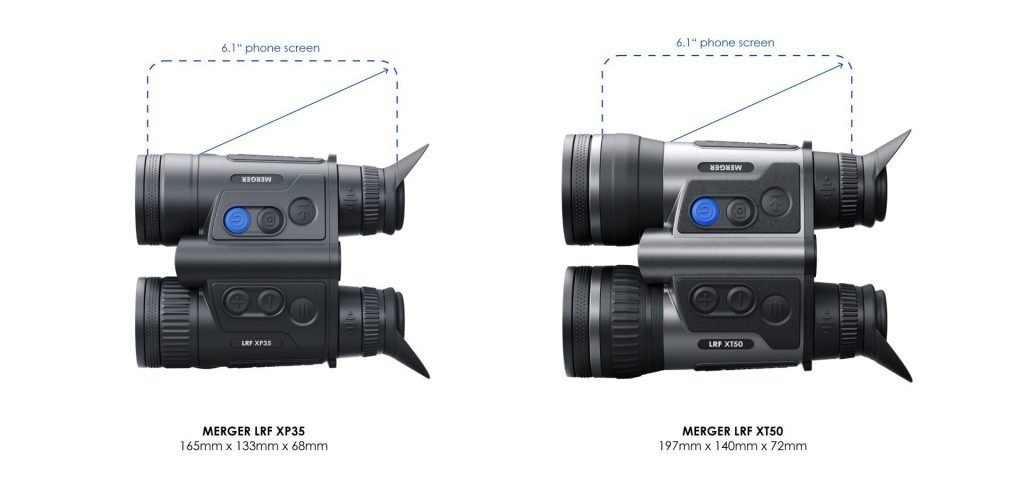
Thermal binoculars are handheld devices used to see heat signatures from a distance. Thermal cameras capture heat images for analysis or recording. Both detect heat, but binoculars focus on viewing, while cameras focus on capturing and storing thermal data.
How Thermal Imaging Works
Thermal imaging sees heat. It doesn’t need light to work. Heat patterns show objects. Warm things glow brighter. Cold things look dimmer. This helps see in the dark.
Key Components In Thermal Devices
Thermal devices have special parts. Sensors detect heat. Lenses focus heat images. Displays show what the sensors see. Each part is important for clear images.
Credit: gtguardhunt.com
Features Of Thermal Binoculars
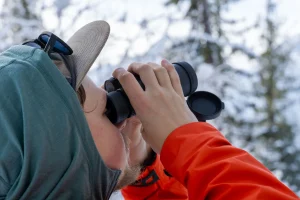
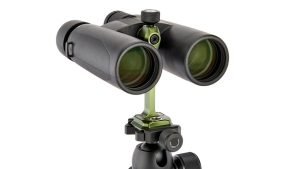
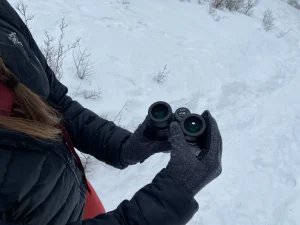
Thermal binocularshave a compact, handheld design. They are easy to carry on trips or hikes. The lightweight build helps users stay comfortable for long periods.
They work well in various settingslike wildlife watching, security, and outdoor adventures. Their design fits well for both daytime and night use.
The binoculars show images using thermal heat signatures. They provide clear views in total darkness or fog. Magnification helps users see details far away.
- Design is portable and easy to hold.
- Used in wildlife observation and security.
- Display thermal images clearly.
- Magnification helps spot distant objects.
Characteristics Of Thermal Cameras
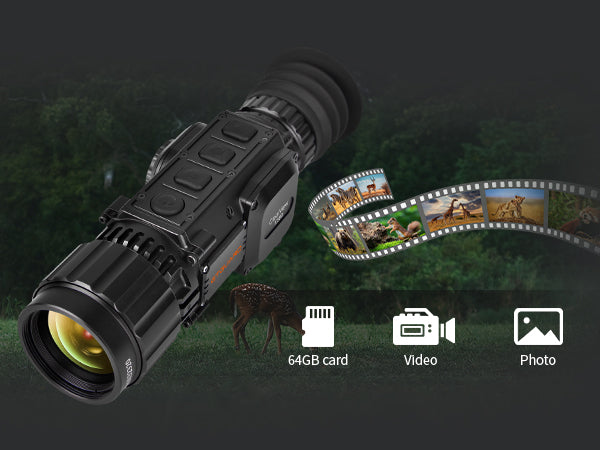
Thermal camerashave a compact and sturdy design. They are built to work in many conditions. Their shape allows easy handling for long periods. The devices are made to be lightweight and portable.
These cameras are useful in many fields. They help in security, firefighting, and building inspections. They also assist in wildlife observationand search and rescueoperations. Many professionals rely on them for accurate thermal imaging.
Thermal cameras capture images based on heat. They convert this heat into visible pictures. The image processing helps to see temperature differences clearly. This makes it easier to detect problems or objects in dark or smoky places.

Credit: nocpixusa.com
Comparing Thermal Binoculars And Cameras
Thermal binoculars offer magnified views using heat signatures, ideal for spotting distant objects. Thermal cameras capture and record temperature images, useful for detailed analysis and documentation. Both detect heat but serve different purposes based on viewing and recording needs.
Performance Differences
Thermal binocularsfocus on long-distance viewing with clear heat signatures. They are often used in nature watching or security. Thermal camerascapture images and videos with heat patterns. Cameras offer better detail for analysis but may be less portable. Binoculars provide a direct view, while cameras need a screen.
User Experience
Binoculars are simple to use and easy to carry. They have fewer buttons and settings. Cameras can be complex with menus and options. They need more training to use well. Both devices work in dark and tough conditions.
Cost And Accessibility
| Device | Price Range | Availability |
|---|---|---|
| Thermal Binoculars | Usually higher due to optics | Less common, mainly specialty stores |
| Thermal Cameras | Varies from affordable to expensive | More widely available online and in stores |
Choosing The Right Thermal Device
Thermal binocularsare mainly for seeing heat signatures at a distance. They help spot animals, people, or objects in darkness or fog. Thermal camerascapture detailed heat images and videos. They are useful for inspections, repairs, and security work.
Budget plays a big role in choosing a device. Thermal binoculars often cost more due to optics and range. Thermal cameras can be cheaper or pricier depending on image quality and features.
| Feature | Thermal Binoculars | Thermal Cameras |
|---|---|---|
| Portability | Handheld, easy to carry | Varies from handheld to larger setups |
| Image Quality | Good for heat detection | High detail with thermal imaging |
| Use Case | Outdoor spotting and surveillance | Industrial, security, and research |
| Additional Features | Zoom, adjustable focus | Recording, measurement tools |

Credit: medium.com
Frequently Asked Questions
What Are The Main Differences Between Thermal Binoculars And Cameras?
Thermal binoculars combine magnification with thermal imaging for distant viewing. Thermal cameras mainly capture heat signatures and display them on screens without magnification.
Can Thermal Binoculars Record Videos Like Thermal Cameras?
Most thermal binoculars focus on real-time viewing and may lack recording features. Thermal cameras often come with built-in video recording capabilities for analysis and sharing.
Which Device Is Better For Night Surveillance Purposes?
Thermal binoculars provide clear magnified views in darkness. Thermal cameras offer wider area coverage but less detailed zoom, ideal for broad surveillance.
Are Thermal Binoculars More Portable Than Thermal Cameras?
Thermal binoculars are typically compact and handheld, enhancing portability. Thermal cameras vary in size but can be bulkier due to additional components.
Conclusion
Thermal binoculars and thermal cameras both detect heat. Thermal binoculars are handheld and easy to carry. Thermal cameras capture images and videos. Each device serves different needs and uses. Choose based on what you want to do. Understanding these differences helps you pick right.
Both tools improve vision in the dark. Use them wisely for safety or fun. Now you know how they differ clearly.