Have you ever wondered if your tripod compatible binoculars could open up a whole new world above you? Imagine turning your casual stargazing into a clear, steady view of the night sky.
But can these binoculars really deliver the sharp, detailed images you need for astronomy? If you’ve been curious about using your binoculars for exploring stars, planets, or the moon, this guide will help you understand exactly what to expect—and how to make the most of your gear.
Keep reading to discover if your binoculars are ready for the stars.
Benefits Of Using Binoculars For Astronomy
Binoculars give a wider viewof the sky. You can see more starsat once. This makes it fun to find star groups. The wide view helps spot constellationseasily.
Binoculars are very easy to use. You just need to look through them. No need to learn difficult settings. Kids and beginners find them great for starting with astronomy.
Binoculars are light and easyto carry. You can take them anywhere. They fit in backpacks and bags. Perfect for travelor a walk outside. You can enjoy stargazinganytime.

Credit: www.amazon.com
Role Of Tripods In Astronomy
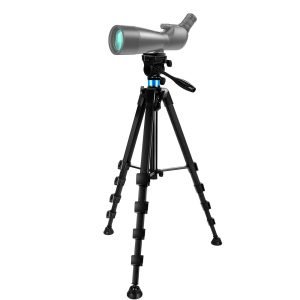
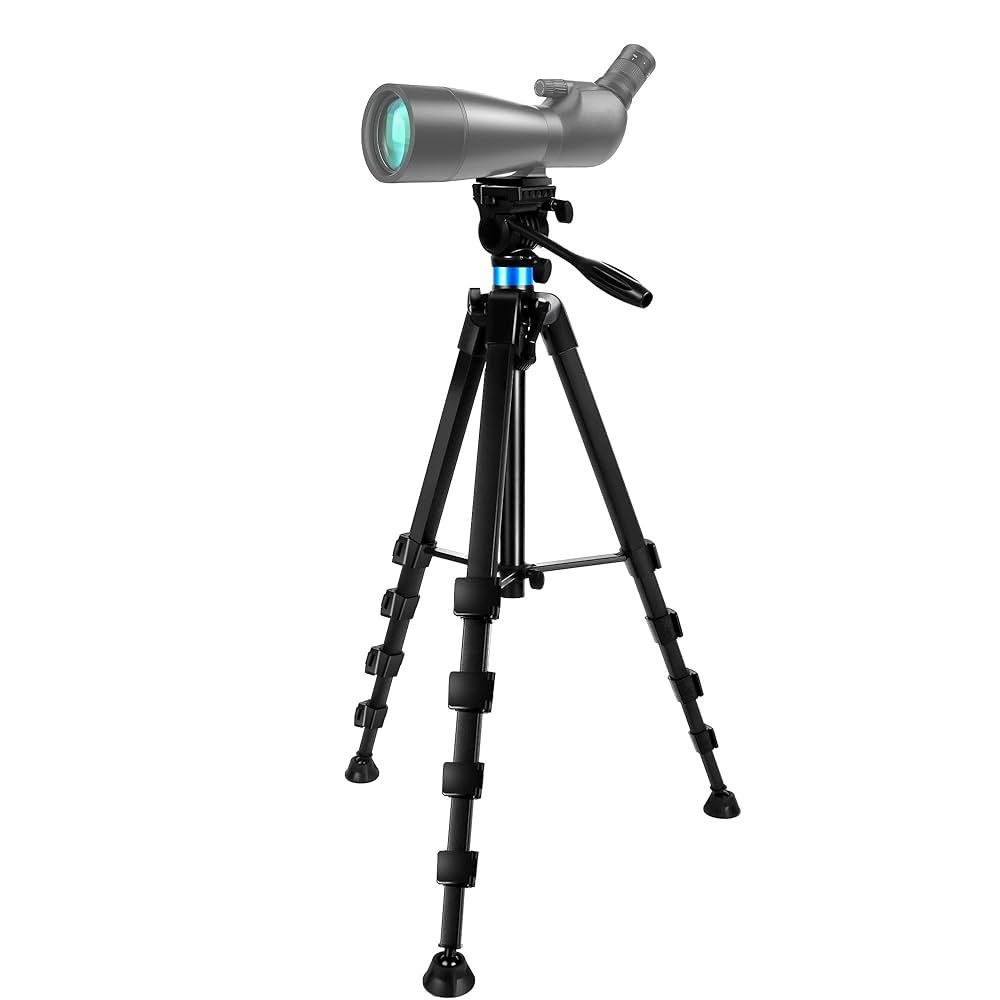
Tripods provide stabilityto binoculars during astronomy. They stop small movements that cause blurry images. Without a tripod, your hands shake and blur the view.
Using a tripod makes it easier to watch for a long time. It helps you stay comfortable without holding the binoculars. You can focus on the sky without getting tired.
A tripod also helps to get clearer images. It keeps the binoculars steady, so details of stars and planets become sharper. This makes your astronomy experience much better.
Features Of Tripod Compatible Binoculars
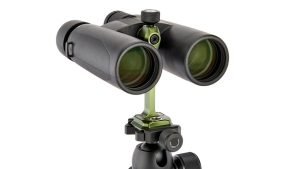
Tripod compatible binoculars must have a standard adapter mount. This allows easy attachment to most tripods. The mount should be sturdyto hold binoculars steady during use.
The weightof binoculars affects stability. Heavier binoculars need a strong tripod. Balance is important to avoid shaking or tipping.
Good optical qualitymeans clear, bright images. Look for binoculars with large objective lensesand good magnification. This helps in seeing stars and planets better.

Credit: www.amazon.com.au
Choosing Binoculars For Astronomy
Magnificationshows how much closer objects appear. For astronomy, a magnification between 7x and 15xworks well. Larger magnification can make the image shaky without a tripod. The objective lens sizelets more light in, making faint stars easier to see. A lens size of 35mm to 50mmis good for night sky viewing.
The exit pupilis the light beam coming out of the eyepiece. It should match your eye’s pupil size in the dark, about 5 to 7mm. Bigger exit pupils give brighter images. Brightness helps to see stars and planets clearly.
Field of viewmeans how wide the sky looks through binoculars. A wide field helps to find objects faster. Eye reliefis the distance your eye can be from the lens and still see the full view. Longer eye relief is good if you wear glasses.
Setting Up Binoculars On A Tripod
Attach the binoculars securely to the tripod using a compatible adapter. Make sure the mount fits tightly to avoid slipping. Check that the binoculars are balanced to prevent tipping over.
Adjust the tripod height so you can look through the binoculars comfortably. Tilt and swivel the binoculars to find the best viewing angle. Keep your neck and back relaxed to avoid strain during use.
Use a sturdy tripod to reduce shaking and vibrations. Avoid touching the binoculars directly while observing. Use a remote shutter or timer if attached to a camera to limit movement.
Limitations Of Binoculars Compared To Telescopes
Magnification limitsof binoculars are usually lower than telescopes. This means objects appear smaller and details are less clear. Binoculars often stop at 10x to 20x magnification. Telescopes can go much higher, showing finer stars and planets.
Light gathering capabilitiesare also limited in binoculars. Their smaller lenses collect less light than telescope mirrors or lenses. This makes faint stars and deep sky objects hard to see. Telescopes have larger openings to gather more light and reveal dimmer objects.
| Feature | Binoculars | Telescopes |
|---|---|---|
| Magnification | Usually 10x-20x | Can exceed 100x |
| Light Gathering | Smaller lenses, less light | Larger mirrors/lenses, more light |
| Special Features | Few to none for astronomy | Tracking, motorized mounts, filters |
Specialized astronomy featuresare missing in most binoculars. Telescopes often have mounts that track stars as Earth moves. They may also have filters to see details better. Binoculars lack these tools, making long stargazing sessions harder.
Best Practices For Astronomy With Binoculars
Choose a location far from city lights for the clearest sky. Dark skies help you see stars and planets better. Find a spot with an open view and no tall trees or buildings.
Star charts and apps show where stars and planets are. They help you find objects quickly. Use apps that update in real-time for best results. Carry a printed star chart as backup.
- Keep binocular lenses clean but avoid touching the glass directly.
- Use a soft cloth to wipe lenses gently.
- Check tripod stability to avoid shaking during viewing.
- Store binoculars in a dry case to prevent dust and moisture.
- Adjust focus slowly for clear and sharp images.

Credit: www.amazon.com
Frequently Asked Questions
Can Tripod Compatible Binoculars Enhance Astronomy Viewing?
Yes, tripod compatible binoculars provide stable and clear views of celestial objects. They reduce hand shake and improve image quality during long observations.
What Are The Benefits Of Using Binoculars For Astronomy?
Binoculars offer wide field views, ease of use, and portability. They help observe star clusters, the moon, and planets with better depth perception than telescopes.
Are Tripod Mounts Necessary For Astronomy Binoculars?
Tripod mounts are recommended for heavier binoculars to avoid shaky images. They allow longer viewing sessions without fatigue, enhancing detailed celestial observations.
Can All Binoculars Be Mounted On Tripods For Astronomy?
Not all binoculars fit tripods. Only those with tripod adapters or threaded sockets are compatible, ensuring secure and stable mounting for astronomy use.
Conclusion
Tripod compatible binoculars can work well for astronomy. They offer steady views of the night sky. You can see the moon, planets, and some stars clearly. Using a tripod reduces shaking and improves focus. These binoculars are easier to carry than big telescopes.
They suit beginners who want to explore space simply. Just remember, they have limits for deep space objects. Still, they provide a fun way to enjoy stargazing. A good choice for casual astronomy fans.