Imagine you’re out in the freezing cold, trying to spot something important in the dark. Your regular binoculars won’t cut it, and the cold is making everything harder.
That’s where night vision binoculars come in—but using them in extreme cold isn’t as simple as it sounds. If you want to make sure your gear works perfectly when it matters most, you need to know how to handle these devices in icy conditions.
Keep reading, and you’ll discover practical tips that will keep your night vision binoculars sharp and ready, no matter how low the temperature drops. Your next cold-weather adventure just got a whole lot clearer.

Credit: www.usnighthawk.com
Choosing Cold-resistant Night Vision Binoculars
Cold weather can be harsh on devices. Night vision binoculars need special features. Cold-resistant materials are essential. These materials prevent damage from freezing temperatures. Insulated body keeps internal parts warm. Waterproof design helps against snow and ice. Anti-fog lenses maintain clear vision in extreme cold. Battery life should be long-lasting in low temperatures. Durable construction ensures longevity.
Key Features For Low Temperatures
- Cold-resistant materials
- Insulated body
- Waterproof design
- Anti-fog lenses
- Long-lasting battery life
- Durable construction
Top Models For Extreme Cold
| Model | Features |
|---|---|
| Arctic Vision Pro | Cold-resistant, waterproof, anti-fog |
| Polar Scout | Insulated, long battery life, durable |
| Ice Explorer | Waterproof, anti-fog, robust design |
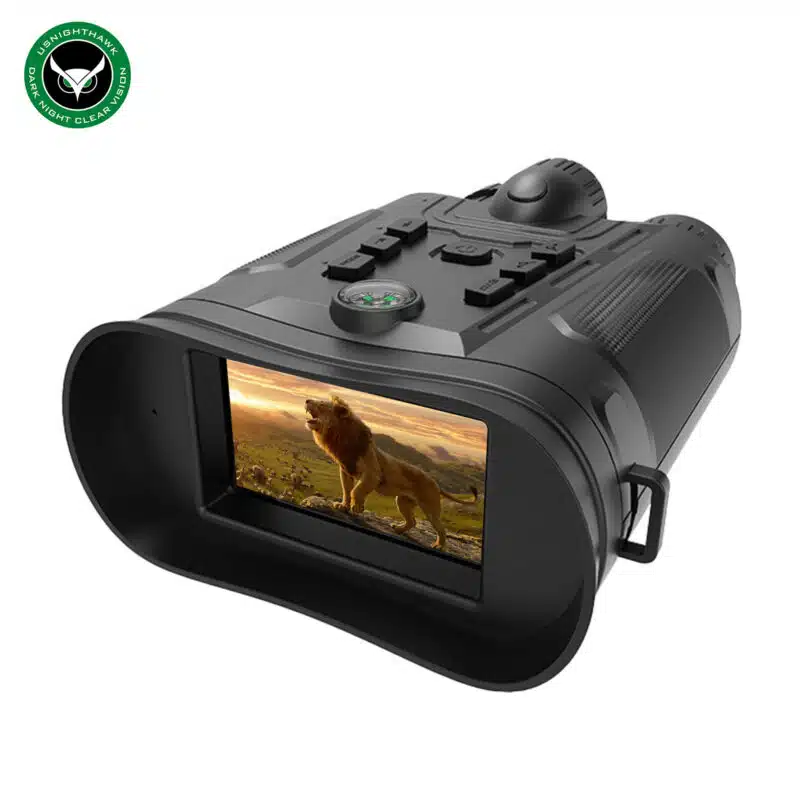
Credit: www.usnighthawk.com
Preparing Binoculars Before Use
Choose batteries that work well in cold weather. Lithium batteries last longer in freezing temperatures. Avoid alkaline batteries as they lose power fast in cold.
Keep extra batteries warm by storing them inside your jacket. Swap batteries quickly to prevent cold damage. Always check battery levels before use.
Use protective coversto shield binoculars from frost and moisture. Soft cases with insulation help keep warmth inside. Hard cases protect from impacts and snow.
Make sure covers fit snugly to block cold air. Wipe binoculars dry before storing to avoid ice build-up. Proper care extends the life of your device.
Handling And Operating In Cold Conditions
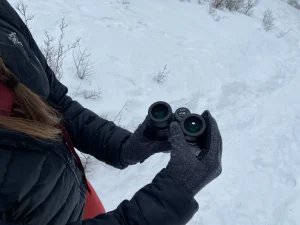
Wearing gloves keeps your hands warm but can reduce finger dexterity. Use gloves that are thin but insulated. Look for gloves with grip padson fingers and palms. This helps you hold and operate binoculars easily.
To avoid condensation, keep binoculars inside your jacket when not in use. Sudden temperature changes cause moisture buildup on lenses. Use a soft cloth to wipe lenses gently if frost forms. Store binoculars in a dry case to prevent frost damage.
Maintaining Performance During Use
Night vision binoculars need proper adjustmentsfor clear views in low visibility. Change the brightnessand contrastsettings to match the environment. This helps you see better through fog or snow.
Battery life drops fast in extreme cold. Keep batteries warm by storing them inside your coat. Use lithium batteriesas they work better in cold weather.
- Turn off the binoculars when not in use to save power.
- Carry extra batteries to avoid sudden shutdowns.
- Use a battery pack with insulation for longer life.
Post-use Care And Storage
After using night vision binoculars in extreme cold, clean lenses carefully. Use a soft, dry cloth to wipe away any moisture or frost. Avoid using harsh chemicals or abrasive materials that could scratch the lenses. Let the binoculars warm up slowly to room temperature before cleaning to prevent condensation inside.
Store the binoculars in a dry, cool place to protect them from moisture and frost damage. Keep them in a padded case to avoid physical shocks. Avoid leaving them in direct sunlight or near heat sources, which can harm the optics and electronics.
| Cleaning Tips | Storage Tips |
|---|---|
| Use a soft, dry cloth | Store in a padded case |
| Avoid harsh chemicals | Keep in a dry, cool place |
| Warm up slowly before cleaning | Avoid direct sunlight and heat |

Credit: www.usnighthawk.com
Safety Tips For Extreme Cold Environments
Extreme cold can cause frostbiteand hypothermia. Wear warm glovesto protect your hands while using binoculars. Use thermal clothingto keep your body warm. Cover your head with a hator balaclavato avoid heat loss.
Keep binoculars close to your body to prevent freezing. Avoid touching metal parts with bare skin, as it can stick. Use anti-fog wipesto keep lenses clear in cold air.
| Emergency Item | Purpose |
|---|---|
| First Aid Kit | Treat minor injuries quickly |
| Extra Batteries | Keep binoculars working in cold |
| Emergency Blanket | Retain body heat during emergencies |
| Whistle | Signal for help if lost |
Frequently Asked Questions
How Do Night Vision Binoculars Work In Extreme Cold?
Night vision binoculars use infrared technology to amplify light. In extreme cold, battery performance may drop, but the optics still function. Proper insulation and warming techniques help maintain their effectiveness outdoors.
Can Cold Temperatures Damage Night Vision Binoculars?
Yes, extreme cold can cause condensation and battery failure. Using protective covers and warming the device gradually prevents damage. Avoid rapid temperature changes to keep binoculars safe.
How To Prevent Fogging In Cold Weather?
Keep binocular lenses dry and use anti-fog sprays or wipes. Store devices in airtight cases before moving between temperatures. This reduces moisture buildup and improves visibility.
What Batteries Work Best For Cold Weather?
Lithium batteries perform better in cold than alkaline ones. They retain power longer and resist freezing. Always carry spare batteries in a warm place during use.
Conclusion
Using night vision binoculars in extreme cold needs care and patience. Keep the lenses clean and protect the device from moisture. Warm the binoculars slowly before use to avoid damage. Handle them gently, as cold can make parts fragile. Practice often to get comfortable with the equipment.
This way, you can see clearly even in freezing weather. Stay safe and enjoy your night vision experience outdoors.