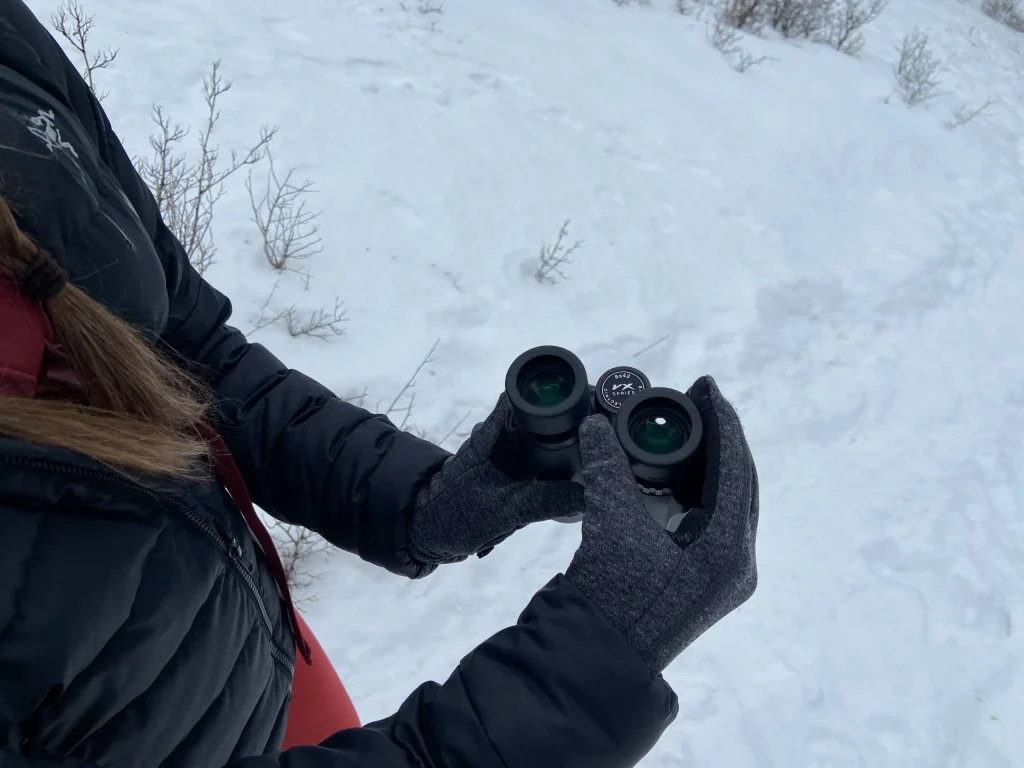
Have you ever wondered if your waterproof binoculars can handle snowy adventures? When you’re out in the cold, watching wildlife or exploring winter landscapes, you want gear that won’t let you down.
But does being waterproof mean your binoculars are safe to use in snow? You’ll discover the truth about using waterproof binoculars in snowy conditions and learn how to protect your gear no matter the weather. Keep reading to make sure your binoculars work perfectly, even when the flakes start falling.

Credit: www.nocsprovisions.com
Waterproof Binoculars Basics
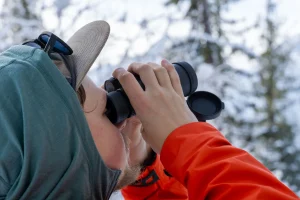
Waterproof binoculars work well in snowy conditions by keeping moisture out. Snow won’t damage them, allowing clear views even in wet weather. Using these binoculars in snow helps protect lenses from fog and water.
What Makes Binoculars Waterproof
Waterproof binoculars have special seals. These seals stop water from getting inside. They protect the lens and inside parts. Rubber coatings help them stay safe from water. Some binoculars have nitrogen gas inside. This gas keeps moisture out. These features make binoculars ready for wet places.
Common Waterproof Ratings
| Rating | Protection Level |
|---|---|
| IPX4 | Safe from splashes. |
| IPX7 | Works in water for 30 minutes. |
| IPX8 | Can be underwater for long time. |
Challenges Of Using Binoculars In Snow
Cold temperatures can cause the binoculars’ parts to contract. This may affect the focus and clarity of the lenses. Batteries in electronic binoculars might drain faster in the cold. Snow and moisture pose risks by entering small openings. Even waterproof binoculars may struggle if seals wear out or get damaged. Snow can melt on lenses, creating water spots and reducing visibility. Moisture trapped inside can cause long-term damage to the optics.
Lens fogging happens when warm breath or body heat meets cold glass. This creates a thin layer of moisture on the lenses, blocking clear sight. Anti-fog coatings help but may not stop fog in extreme conditions. Wiping lenses frequently can scratch or damage the surface.
Performance Of Waterproof Binoculars In Snow
Waterproof binocularsprotect against water, but snow is different. Snow melts on lenses and frames, turning into water. Good waterproof seals keep melted snow out. But heavy snow or long exposure may cause small leaks. The quality of the seal matters most.
Snow and ice can be tough on binoculars. Freezing temperatures make materials brittle. Ice buildup may scratch lenses or damage rubber armor. Strong, durable models resist cracking better. Cleaning ice gently is important to avoid damage.
Fog and condensation happen when cold air meets warm breath or body heat. Waterproof binoculars with nitrogen or argon gasinside prevent internal fogging. Lens coatings also help reduce outside fog. Without these features, vision gets blurry quickly.
Features To Look For In Snow-ready Binoculars
Fog-proofinghelps keep the lenses clear in cold, wet weather. Many binoculars use nitrogen or argon gasinside to stop fog from forming inside the lenses. Anti-fog coatingson lenses prevent mist on the outside surface.
Insulationprotects binoculars from cold temperatures. Rubber armoringoffers a good grip and shields against bumps and drops. It also helps keep your hands warm while holding the binoculars.
| Feature | Benefit in Snow |
|---|---|
| Fog-Proofing | Keeps lenses clear inside and out |
| Insulation & Rubber Armor | Protects from cold and rough handling |
| Lens Coatings | Improves image brightness and clarity |
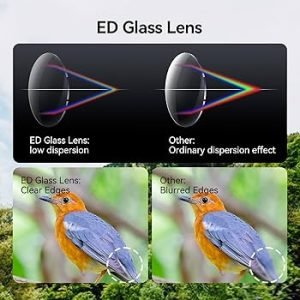
Lens coatingsreduce glare from snow and ice. They make images brighter and sharper, even in low light. This helps you see details clearly in snowy conditions.
Tips For Using Binoculars In Snowy Conditions
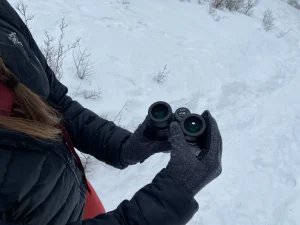
Handle binoculars gentlyto avoid damage in cold weather. Keep them in a warm, dry place when not in use. Use a sturdy case to protect from snow and moisture. Avoid leaving them outside for long periods to prevent freezing.
Prevent lens fogby using anti-fog wipes or sprays. Breathe away from the lenses to stop fog buildup. Keep binoculars close to your body to keep them warm. Avoid rapid temperature changes to reduce condensation.
After use, wipe off snow and moisture with a soft cloth. Dry lenses carefully to avoid scratches. Store binoculars in a dry, warm spot to prevent mold. Regularly check and clean lenses for clear views next time.
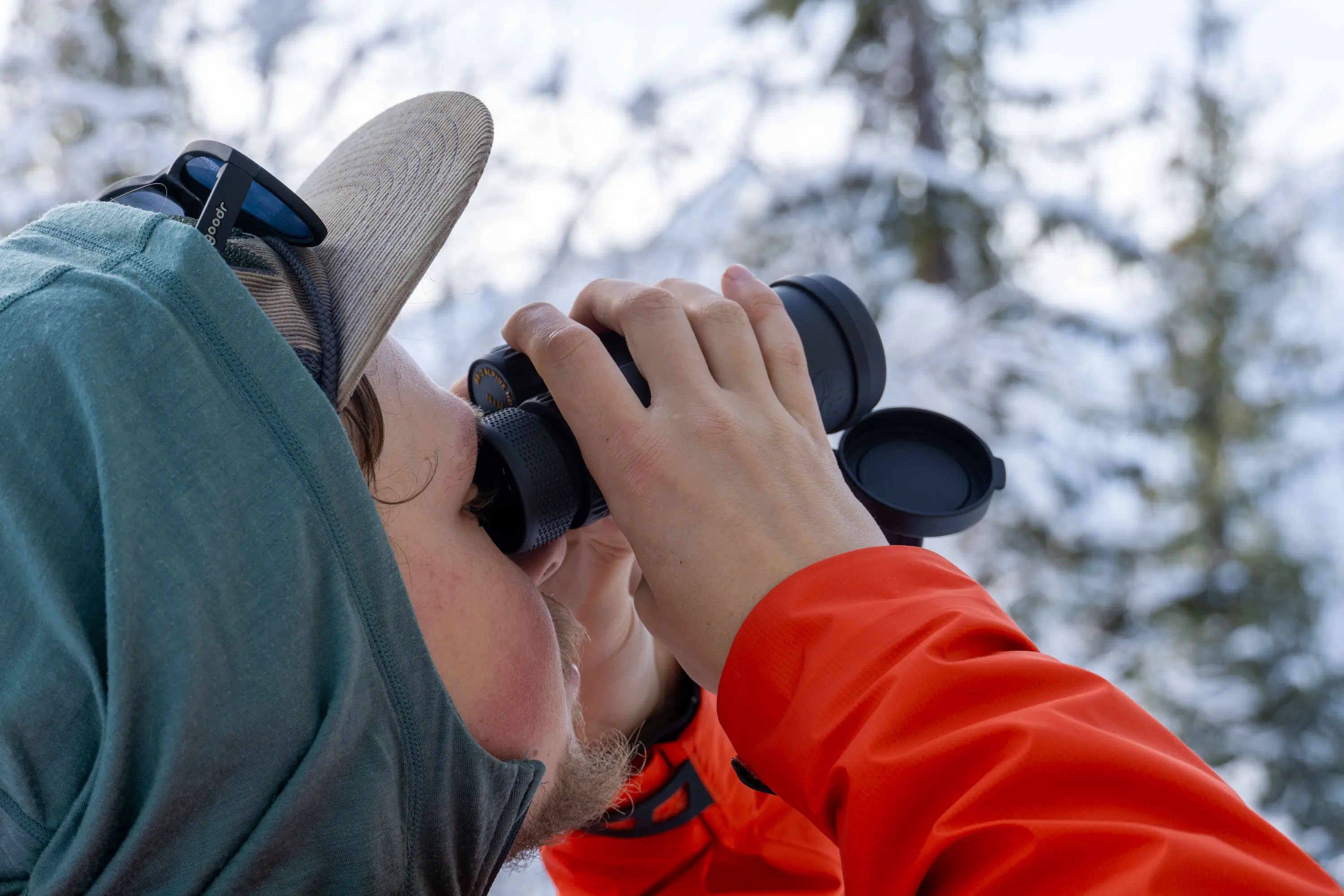
Credit: gearjunkie.com
Best Waterproof Binoculars For Snow
Waterproof binoculars are perfect for snowy conditions. They keep moisture and fog out, ensuring clear views. Snow can melt and make lenses wet. A waterproof design stops water damage and fogging inside.
Durability is key. Look for models with rubber coatings for a good grip, even with gloves. Fog-proofing with nitrogen or argon gas helps maintain clarity in cold weather. Lightweight models reduce hand strain during long use.
| Model | Price | Waterproof Rating | Weight | User Rating |
|---|---|---|---|---|
| Model A | $120 | IPX7 | 600g | 4.5/5 |
| Model B | $90 | IPX6 | 550g | 4.2/5 |
| Model C | $150 | IPX8 | 620g | 4.7/5 |
- Users praise clear images and strong waterproofing.
- Many like lightweight designs for easy carrying.
- Some recommend models with fog-proof features for snow.
- Affordable options offer good quality for casual use.
- Higher-priced models often have better optics and durability.

Credit: www.instagram.com
Frequently Asked Questions
Can Waterproof Binoculars Resist Snow Moisture?
Yes, waterproof binoculars are designed to resist moisture from snow. They prevent water from entering the lenses and internal parts, ensuring clear vision even in wet conditions.
Do Waterproof Binoculars Prevent Fogging In Snow?
Many waterproof binoculars feature fog-resistant coatings and nitrogen filling. These features reduce internal fogging caused by temperature changes in snowy environments.
Are Waterproof Binoculars Durable In Cold Snowy Weather?
Waterproof binoculars are built to withstand harsh conditions, including cold and snow. Their rugged design ensures durability and reliable performance in winter landscapes.
Can I Use Waterproof Binoculars For Winter Sports?
Absolutely, waterproof binoculars are ideal for winter sports. They provide clear views while resisting snow, moisture, and cold temperatures during activities like skiing or snowboarding.
Conclusion
Waterproof binoculars work well in snowy conditions. They keep moisture and snow out, protecting the lenses. This means clear views even in wet weather. Still, avoid sudden temperature changes to stop fog inside. Cleaning them gently after use helps keep them in good shape.
Choose models made for cold and wet environments. This way, you enjoy sharp images without damage. Snow won’t stop your outdoor adventures with the right binoculars. Ready for your next winter trip?