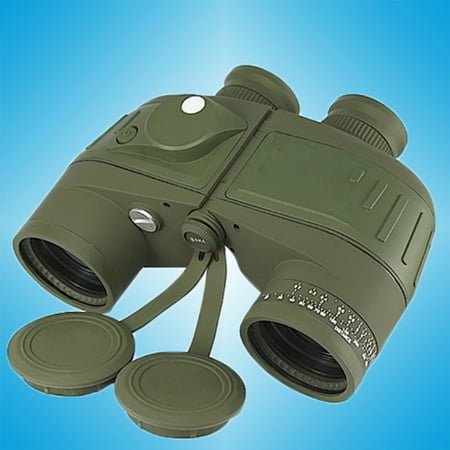
Are you wondering if your close-focus binoculars can handle wet conditions without damage? Whether you love birdwatching in the rain or exploring damp forests, knowing if your binoculars are waterproof is crucial.
Imagine missing a stunning sight because your gear fogged up or got soaked. You’ll discover the truth about waterproof close-focus binoculars and how to choose the right pair that keeps up with your adventures. Keep reading to protect your investment and enjoy crystal-clear views no matter the weather.
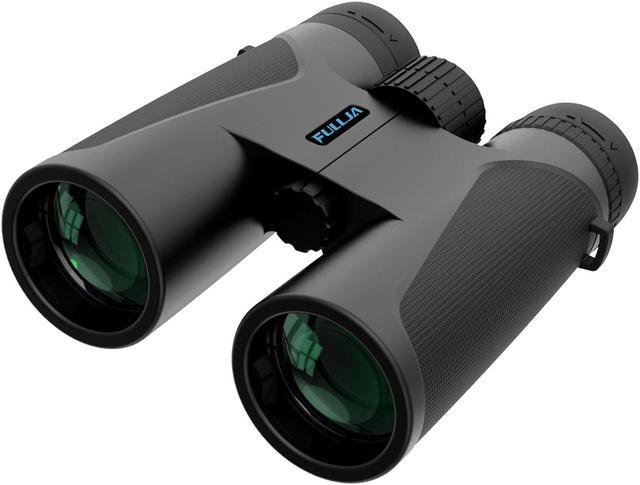
Credit: www.newegg.com
Close-focus Binoculars Basics
Close-focus binoculars often come with waterproof features to protect against rain and moisture. Many models have sealed bodies filled with nitrogen or argon gas to prevent fogging inside the lenses. This makes them suitable for outdoor use in wet conditions.
What Are Close-focus Binoculars
Close-focus binoculars help you see nearby objects clearly. They are great for birdwatching and nature walks. These binoculars are small and lightweight. You can easily carry them around. Close-focus means they work well at short distances. You can see tiny details on leaves or bugs. They make the world up close look amazing.
Key Features To Expect
Close-focus binoculars have some special features. They are often waterproof. This keeps them safe from rain and splashes. Many have anti-fog lenses. This helps you see clearly in wet weather. They are also built to be durable. Rubber grips make them easy to hold. The focus wheel is easy to turn. You can adjust them quickly. These features make them perfect for outdoor adventures.

Credit: www.amazon.com
Waterproofing In Binoculars
Waterproofingin binoculars means they can resist water damage. This is done by sealing all parts tightly. The lenses and body are protected with special coatings. Inside, the air is often replaced with nitrogen or argon gas. This stops fog from forming inside the binoculars.
Common waterproof ratingstell how well binoculars stand against water. These ratings follow industry rules. For example, an IPX7 rating means the binoculars can handle being underwater for 30 minutes at one meter depth. IPX6 means they resist strong water sprays but are not meant to be submerged.
| Rating | Protection Level | Water Resistance Details |
|---|---|---|
| IPX4 | Water Splash Resistant | Protected from water splashes from any direction |
| IPX6 | Strong Water Jets Resistant | Withstands powerful water sprays but not full immersion |
| IPX7 | Temporary Immersion | Can be submerged up to 1 meter for 30 minutes |
| IPX8 | Continuous Immersion | Suitable for continuous underwater use under conditions set by manufacturer |
Waterproof Status Of Close-focus Models
Most close-focus binocularsoffer some level of water resistance. This means they can handle light rain or splashes. Many models come with sealed bodiesand are filled with nitrogenor argon gasto prevent fogging inside the lenses.
However, not all close-focus binoculars are fully waterproof. Some are only water-resistant, which means they can handle small amounts of moisture but should not be submerged. Always check the product details to see the exact level of protection.
| Waterproof Level | Description |
|---|---|
| Water-Resistant | Can resist rain and splashes but not full submersion |
| Waterproof | Can be submerged in water without damage |
| Non-Waterproof | No protection against water, avoid moisture |
- Some budget models lack waterproof features.
- Older binoculars may not have sealed lenses.
- Non-waterproof models can fog up quickly in wet conditions.
- Careful handling is needed to avoid water damage.
Benefits Of Waterproof Close-focus Binoculars
Waterproof close-focus binocularsoffer great protection against rain, snow, and fog. They keep the lenses and inner parts dry, so your view stays clear. This means you can use them in many weather conditions without worry.
These binoculars also have enhanced durability. Their strong outer shell resists bumps and drops better than regular models. This makes them last longer, even with rough use outdoors.
- Resist water damage during outdoor activities
- Prevent fogging inside the lenses
- Stronger build for longer life
- Good for hiking, birdwatching, and marine use
Factors Affecting Waterproof Performance
Seals and O-ringsare key for waterproof binoculars. They stop water from entering the lenses and body. These small rubber parts fit tightly inside the binoculars. Without good seals, water can damage the inside parts. High-quality O-rings keep moisture and dust out, making the binoculars last longer. They also help with fogging inside the lenses.
The material and build qualityaffect how well binoculars resist water. Strong materials like rubber or coated metal protect the binoculars from rain and splashes. Some binoculars have a special coating that repels water. This coating makes water slide off the surface quickly. The design also matters; fewer gaps and joints mean less chance for water to get in.
Care Tips For Waterproof Binoculars
Rinse binocularswith clean water after contact with salt or dirt. Use a soft cloth to gently wipe awaymoisture and debris. Avoid harsh chemicals or abrasive materials that can damage lensesor seals. Let binoculars air dryin a cool, shaded place to prevent mold growth.
Store binoculars in a dry, cool area. Use a protective case to shield them from dust and shocks. Avoid leaving them in hot places like cars. Check seals regularly to keep them waterproofand functional.
Choosing The Right Close-focus Binoculars
Choosing close-focus binoculars means thinking about waterproof features. Some models are sealed with special materials to keep water out. This is useful for outdoor use in rain or near water. Not all close-focus binoculars are waterproof, so check product details carefully.
Waterproof binoculars often have nitrogen or argon gas inside. This stops fogging inside the lenses. It helps keep views clear in wet or cold weather. For casual use in dry places, waterproofing may not be needed.
- Consider where you will use the binoculars most.
- Waterproof models cost more but last longer outdoors.
- Non-waterproof models may be lighter and cheaper.
- Think about how often you will face wet conditions.
Balance features and budget carefully. A good pair fits your needs and price range.

Credit: www.amazon.com
Frequently Asked Questions
Are All Close-focus Binoculars Waterproof?
Not all close-focus binoculars are waterproof. Waterproofing depends on the model and manufacturer specifications. Check product details before buying.
How Does Waterproofing Benefit Close-focus Binoculars?
Waterproofing protects binoculars from rain, fog, and moisture. It ensures durability and clear vision in wet conditions. Ideal for outdoor use.
Can Waterproof Close-focus Binoculars Be Fog-proof Too?
Yes, many waterproof close-focus binoculars are also fog-proof. They use nitrogen or argon gas to prevent internal fogging during temperature changes.
What Features Indicate Waterproof Close-focus Binoculars?
Look for IPX or IP ratings and O-ring seals. These features ensure water resistance and dust protection in close-focus binoculars.
Conclusion
Close-focus binoculars may or may not be waterproof. Check product details before buying. Waterproof models protect against rain and splashes. Non-waterproof types need extra care in wet conditions. Choose based on your outdoor needs and budget. Proper care helps binoculars last longer.
Clear vision and durability matter for your adventures. Always keep your gear safe and dry when possible.