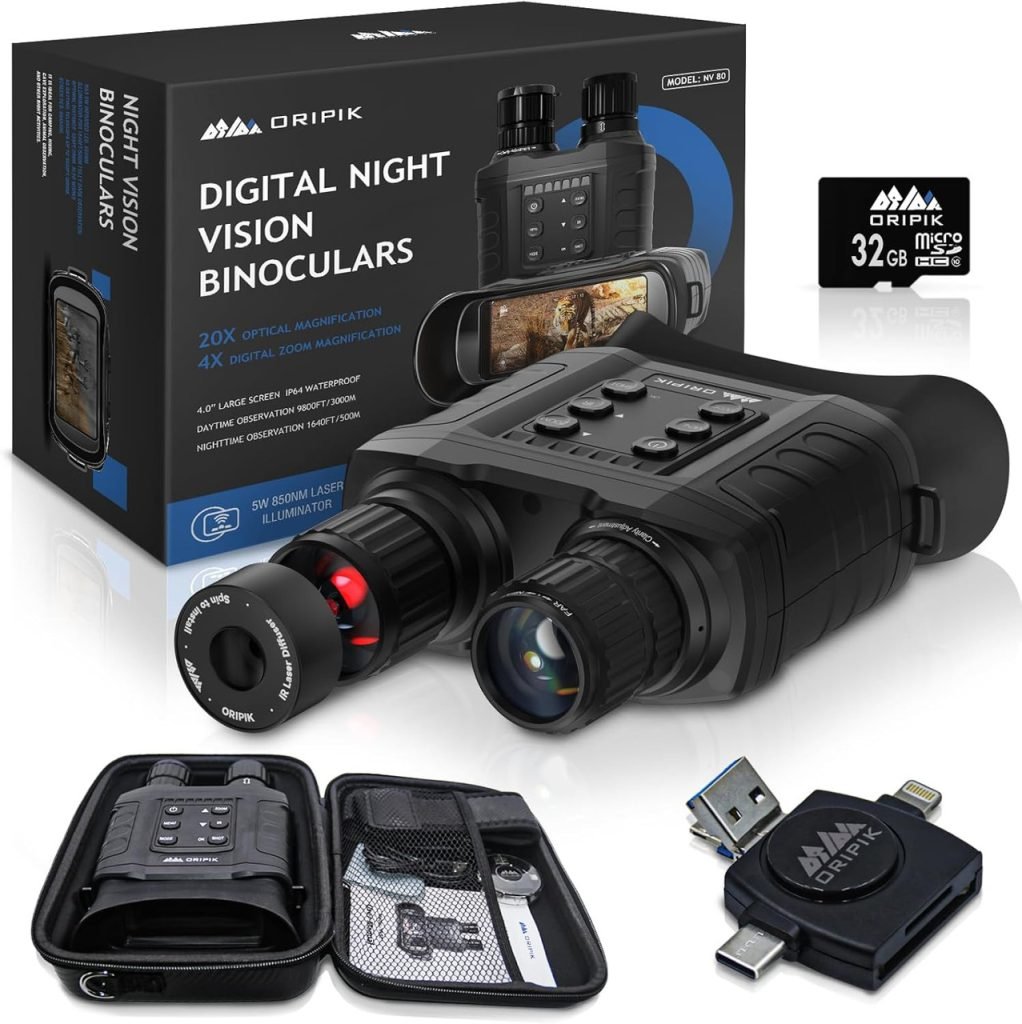
Are you tired of your eyes feeling tired and strained every time you use night vision binoculars? You’re not alone.
Many people struggle with eye discomfort when trying to see clearly in the dark. But what if there was a simple way to protect your eyes and enjoy sharp, comfortable viewing all night long? You’ll discover easy tips and tricks to avoid eye strain while using night vision binoculars.
Keep reading to learn how you can improve your night vision experience and keep your eyes feeling fresh and relaxed.
Causes Of Eye Strain With Night Vision Binoculars
Eye strain with night vision binoculars often happens due to poor focus and low light conditions. Using proper settings and taking breaks can help reduce discomfort. Adjusting the device to fit your eyes prevents fatigue during extended use.
Extended Use And Fatigue
Using binoculars for a long time can tire your eyes. Fatigue builds up quickly. Take breaks to relax your eyes. Frequent breaks help reduce eye strain. Look away from the binoculars often. Focus on distant objects for a few seconds. Resting your eyes can prevent discomfort.
Improper Focus Settings
Wrong focus settings can cause eye strain. Adjust the focus carefully. Make sure objects are clear and sharp. Blurry images strain your eyes more. Check the focus often. Fine-tune the settings for better clarity. Proper focus gives a comfortable viewing experience.
Low-quality Optics
Cheap optics can cause eye problems. High-quality lenses give clearer images. Invest in good binoculars for comfort. Low-quality lenses might blur images. This makes your eyes work harder. Choose binoculars with better optics. Quality lenses reduce eye strain.

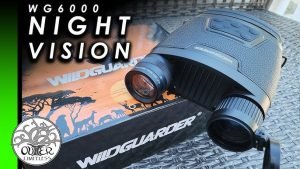
Credit: freesoldier.com
Choosing The Right Night Vision Binoculars
Resolutionand image qualityare key for clear night vision. Higher resolution means sharper images and less eye strain. Look for binoculars with a good balance between resolution and brightness to avoid tired eyes.
Comfortmatters a lot. Choose binoculars with soft rubber grips and lightweight design. This helps you hold them steady for longer without feeling tired. Ergonomic shapes fit your hands better and reduce strain.
Adjustable features make a big difference. Options like focus adjustmentand diopter controlallow fine-tuning to your eyesight. This reduces blurriness and eye fatigue. Adjustable eyecups also help if you wear glasses, making the view clearer and more comfortable.
Proper Usage Techniques
Adjust the focus slowly to find the clearest image. Avoid sharp or quick turns on the focus knob. Use the diopter adjustment to fine-tune for each eye. This helps reduce eye strainand keeps images sharp.
Keep the binoculars at a comfortable distance from your eyes. Too close or too far causes discomfort and blurry images. The optimal viewing distanceis usually about 1 to 2 inches from your eyes. This distance prevents tired eyes and improves clarity.
- Use both eyes while viewing to reduce fatigue.
- Keep your eyes relaxed and avoid squinting.
- Alternate between short viewing sessions and breaks.
Using both eyes helps your brain process images better. It also lowers the chance of eye strain. Take short pauses to rest your eyes during long sessions.

Credit: www.youtube.com
Maintaining Eye Health During Use
Taking regular breaks helps your eyes relax and avoid tiredness. Try to rest your eyes every 20 minutes. Look away from the binoculars and focus on something far away for 20 seconds. This simple pause can reduce strain and keep your eyes fresh.
Blinking often is important to keep your eyes moist. When using night vision binoculars, people tend to blink less. This can dry out your eyes and cause discomfort. Remember to blink slowly and fully to spread tears evenly across your eyes.
- Roll your eyes slowly in a circle to ease tension.
- Close your eyes tightly for a few seconds, then open wide.
- Focus on a near object, then a far object, repeating several times.
Doing these exercises during breaks helps reduce eye muscle stress. It supports better eye health and comfort during night vision use.
Environmental Factors To Consider
Proper lighting conditionsreduce eye strain with night vision binoculars. Use soft, indirect light to avoid harsh glare. Bright lights cause discomfort and make it hard to see clearly.
Avoiding glare and reflectionshelps maintain clear vision. Position yourself so light does not hit the binocular lenses directly. Use lens hoods or shields to block unwanted light.
Stable positioningsupports steady viewing and reduces eye fatigue. Hold binoculars firmly or use a tripod. Shaking makes eyes work harder to focus and causes strain.
Additional Tools And Accessories
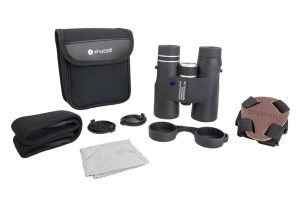
Eye cupshelp block outside light and improve comfort. Soft paddingaround the eye cups reduces pressure on your eyes. This makes long use easier and less tiring.
Anti-reflective coatingson lenses cut down glare and reflections. This lets more light pass through for clearer views. It also helps reduce eye strainby lowering harsh light and distractions.
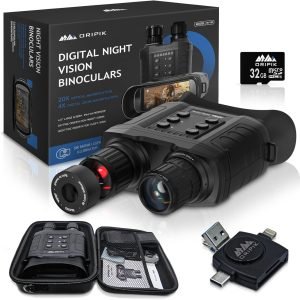
Protective carrying caseskeep binoculars safe from damage and dirt. A good case prevents scratches on lenses and keeps accessories organized. This helps keep your gear in top shape for better use and less eye discomfort.

Credit: www.usnighthawk.com
Frequently Asked Questions
How Can I Reduce Eye Strain With Night Vision Binoculars?
To reduce eye strain, adjust brightness and use the binoculars in short intervals. Proper focusing and regular breaks also help prevent fatigue.
What Settings Improve Comfort When Using Night Vision Binoculars?
Lowering the brightness and contrast settings enhances comfort. Use a stable grip and ensure the device is properly focused for clearer images.
How Often Should I Rest My Eyes During Night Vision Use?
Rest your eyes every 20 to 30 minutes. Regular breaks prevent dryness and reduce the risk of long-term eye strain.
Are There Protective Accessories For Night Vision Binoculars?
Yes, eye cups and soft rubber eyepieces reduce pressure and block stray light, improving comfort during extended use.
Conclusion
Using night vision binoculars should never hurt your eyes. Take regular breaks to rest your vision. Adjust the brightness to a comfortable level. Keep your binoculars clean for clear viewing. Hold the device steady to reduce eye strain. These small steps help protect your sight.
Enjoy your night observations without discomfort. Your eyes will thank you later. Stay safe and see clearly every time.