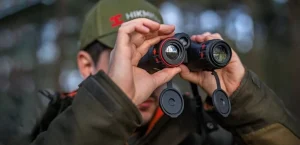
Have you ever struggled to get a clear look at wildlife from a distance? Zoom binoculars can change the way you experience nature by bringing faraway animals right into your view.
But knowing how to use them properly makes all the difference. You’ll learn simple, practical tips to master your zoom binoculars and spot wildlife like never before. Ready to see the wild in sharp detail? Let’s dive in and unlock the secrets to better wildlife watching.
Choosing The Right Zoom Binoculars
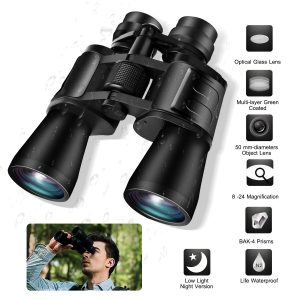
Magnification helps you see faraway animals up close. A zoom between 8x and 10x is ideal for wildlife. Larger lenses gather more light. This is helpful in dim conditions. But bigger lenses make binoculars heavier.
A wide field of view helps track moving animals. It’s easier to spot wildlife with a broader view. Narrow views might miss fast-moving creatures.
Durable binoculars can withstand drops and bumps. Weatherproofing protects from rain and dust. Ensure your binoculars are both sturdy and weatherproof.
Lightweight binoculars are easy to carry. Heavy models can tire your arms quickly. Choose compact designs for long trips. Portability helps in quick wildlife spotting.
Setting Up Your Binoculars
Adjust the eyecups to match your eyesight. Twist or pull them out if you wear glasses. Push them in if you don’t. This helps you see the full view without blur.
Focus the binoculars by turning the central wheel slowly. Start with the left eye and then adjust the right one using the diopter ring. This balances the vision for both eyes.
The zoom feature lets you change how close things look. Turn the zoom ring gently to get a clear and sharp image. Zoom in slowly to avoid shaky views.
Calibrate your binoculars in daylight. Point them at a far object like a tree or bird. Adjust focus and zoom until the image is crisp and clear. This ensures better spotting later.
Techniques For Spotting Wildlife
Choose a time when animals are most active, like early morning or late afternoon. Select a quiet spot near water or trees. These places attract many animals.
Stay very still and keep noise to a minimum. Sudden movements or sounds can scare animals away. Patience is key.
Use your binoculars to slowly scan the area. Look for any movement or shapes that seem different from the background. Move your view gently from side to side.
Follow any moving animals carefully. Keep your binoculars steady and track the animal without rushing. This helps you see details clearly.

Credit: www.foreseenoptics.com
Maintaining And Caring For Binoculars
Cleaning lenses safelyrequires a soft cloth or lens brush. Avoid using rough materials that can scratch the glass. Use lens cleaner designed for optics, never household cleaners. Gently wipe in a circular motion to remove dust and smudges.
Storing binoculars properlymeans keeping them in a dry, cool place. Use a protective case to avoid dust and damage. Store them away from direct sunlight and moisture to prevent mold growth.
Handling repairsshould be done by professionals. Never try to fix internal parts yourself. Small problems like loose screws can be tightened carefully. For serious issues, contact the manufacturer or a repair shop.
Extending lifespandepends on regular care. Always carry binoculars with a neck strap or secure grip. Avoid dropping or banging them against hard surfaces. Regular cleaning and proper storage help keep them working well for years.
Enhancing Wildlife Spotting Experience
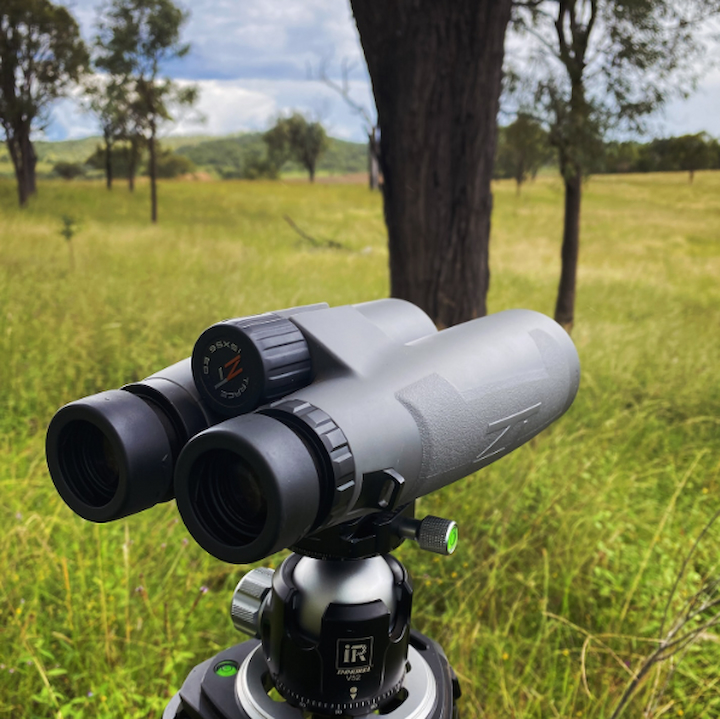
Using a tripod or stabilizer helps keep your binoculars steady. This reduces shaking and makes distant animals clearer. A stable view is key to spotting wildlife well.
Pairing binoculars with wildlife apps can improve your experience. These apps help identify animals and birds quickly. Some apps also show nearby animal sightings.
Recording and sharing sightings lets you keep a log of your wildlife discoveries. Photos or notes make it easy to remember each encounter. Sharing with friends or groups spreads the joy of wildlife spotting.
- Join wildlife spotting groups to meet others who love nature.
- Groups share tips, locations, and interesting animal stories.
- Being part of a community can make spotting more fun and rewarding.

Credit: lookoutoptics.com
Credit: www.availableonline.com.au
Frequently Asked Questions
How Do I Adjust Zoom Binoculars For Wildlife Spotting?
To adjust zoom binoculars, start with the lowest zoom setting. Focus on the animal clearly. Gradually increase zoom for detailed views without shaking. Use the focus wheel for sharp images. Adjust both eyes for comfort and clarity.
What Are The Best Zoom Settings For Wildlife Viewing?
Start with low zoom (around 7x) to locate animals easily. Increase zoom up to 15x for detailed observation. Avoid maximum zoom to reduce image shakiness. Adjust based on distance and light conditions. Use steady support for higher zooms.
Can Zoom Binoculars Work In Low Light Conditions?
Yes, quality zoom binoculars with larger objective lenses perform better in low light. Use models with at least 40mm lens diameter. Adjust zoom to balance brightness and detail. Low light performance is crucial during dawn or dusk wildlife spotting.
How Do I Stabilize Zoom Binoculars For Clear Images?
Use a tripod or monopod for steady viewing. Hold binoculars firmly with both hands. Lean on stable surfaces to reduce shaking. Practice controlled breathing techniques. Stabilization improves image clarity, especially at higher zoom levels.
Conclusion
Zoom binoculars help you see wildlife clearly from far away. Choose the right zoom level for your needs. Hold the binoculars steady to avoid blurry views. Practice often to improve your spotting skills. Respect animals and keep a safe distance.
Enjoy nature quietly to avoid scaring wildlife. Using zoom binoculars makes wildlife watching more fun and rewarding. Keep these tips in mind for your next outdoor adventure. Happy spotting!