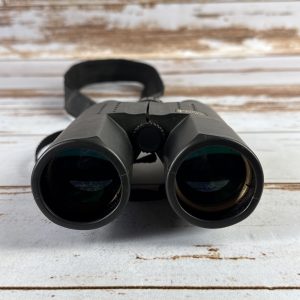
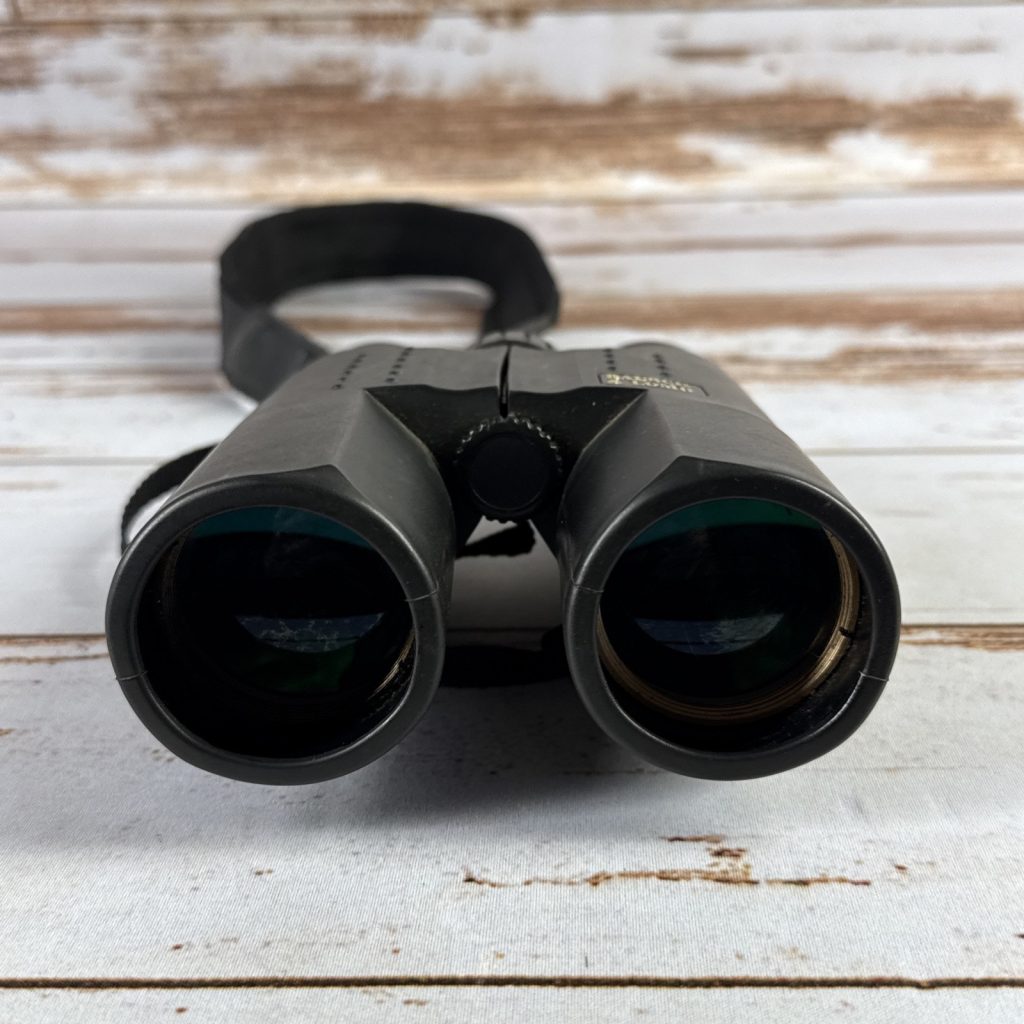
Have you ever been out exploring with your binoculars, only to find the lenses fogged up and your view completely blocked? It’s frustrating when your fog-proof binoculars don’t live up to their name.
But don’t worry—you can fix this problem yourself. In this guide, you’ll learn simple and effective ways to repair your fog-proof binoculars, so you can get back to enjoying clear, sharp views no matter the weather. Keep reading to discover easy steps that will save you time and money while bringing your binoculars back to life.
Causes Of Fogging In Binoculars
Fogging in binoculars happens when moisture gets trapped inside the lenses. This often occurs due to temperature changes or broken seals. Repairing fog-proof binoculars usually involves fixing these seals or drying out the moisture inside.
Internal Moisture Build-up
Moisture can sneak inside the binoculars. Warm air and cold surfaces mix. Water turns into tiny droplets. These droplets cause fogging. Keeping binoculars in a dry place helps. Avoid rainy weather if possible.
Damaged Seals
Seals protect binoculars from outside air. Damaged seals let air and moisture inside. This leads to fogging. Check the seals regularly. Replace them if they look worn or cracked. A tight seal keeps the binoculars clear.
Temperature Differences
Sudden temperature changes cause fogging. Warm and cold air mix inside the binoculars. Always warm binoculars to room temperature. Avoid using them right after coming indoors from cold. Let them adjust slowly to new temperatures.
Credit: area78aa.org
Tools Needed For Repair
Basic tools like a small screwdriver, lens cleaner, and soft cloth are essential for fog-proof binocular repairs. Having a sealed container and anti-fog solution helps fix internal fogging effectively. These simple items prepare you to handle common issues safely and easily.
Basic Cleaning Supplies
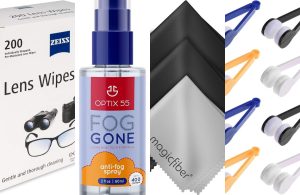
Soft microfiber cloths help remove dirt without scratching lenses. Use lens cleaning solution made for optics. Cotton swabs reach small areas carefully. Compressed air cans blow away dust without touching surfaces.
Seal Replacement Kits
Seal kits include rubber O-rings and gaskets. These stop moisture from entering binoculars. Choose seals that fit your model. Small tools like tweezers help place seals properly.
Silica Gel Packs
Silica gel packs absorb moisture inside binoculars. Place packs inside storage cases to keep lenses dry. Use fresh packs regularly for best results.
Removing Internal Fog
Removing internal fog requires careful disassemblyof the binoculars. Use a small screwdriver to open the eyepiece and objective lens covers. Keep all screws safe to avoid loss. Separate the two halvesgently to expose the inside parts. Avoid touching the lenses with bare hands to prevent smudges. Work in a clean, dry place with good light.
Drying techniques help remove moisture trapped inside. Place the binoculars in a warm, dry area for several hours. Use silica gel packets around the parts to absorb moisture. Avoid using hair dryers or heat sources that can damage the lenses. A vacuum desiccator works well for removing fog without harm.
Reassembling tips are key for proper function. Align all parts carefully before tightening screws. Check that lenses are clear and dry. Test the focus mechanism gently after assembly. Make sure all seals and covers fit snugly to prevent future fogging. Store binoculars in a dry case after repair.

Credit: area78aa.org
Fixing Damaged Seals
Check the binoculars for any visible cracks or gaps in the seals. Damaged seals let moisture and fog inside. Look for dirt or sticky residue around the edges. These signs show the seals need replacing.
Use a clean cloth to remove old sealant carefully. Apply a thin layer of new sealant around the damaged areas. Use sealant that is safe for optics and waterproof. Avoid putting too much sealant to keep the lenses clear.
After applying, let the sealant dry fully. Test the binoculars by breathing on the lenses. No fog should appear inside. Submerge the binoculars in water briefly to check for leaks. If no bubbles form, the seals are tight and fixed.
Preventing Future Fogging
Proper storage is key to keep binoculars fog-free. Store them in a dry place away from direct sunlight. Use a soft case to protect from dust and moisture. Avoid storing binoculars in humid or damp areas.
Anti-fog sprays help stop fog from forming on lenses. Apply a small amount to clean lenses and wipe gently with a soft cloth. Use sprays made for optical lenses to avoid damage.
Controlling moisture inside the binoculars is very important. Silica gel packs can absorb moisture and keep the inside dry. Replace these packs regularly to keep them effective.
When To Seek Professional Repair
Major damageto fog-proof binoculars needs expert help. Cracks in lenses or body, broken focus knobs, or water inside the lenses are clear signs. Small issues like dirt or loose parts can sometimes be fixed at home.
Think about the cost of repair versus buying new binoculars. Repairs can be expensive, especially if parts are rare. New binoculars might cost less and come with a warranty.
| Factor | Considerations |
|---|---|
| Service Reputation | Look for good reviews and trusted brands |
| Experience | Choose technicians who specialize in optics |
| Warranty | Check if repairs come with a guarantee |

Credit: area78aa.org
Frequently Asked Questions
How To Fix Fog Inside Binocular Lenses?
To fix fog inside lenses, first check seals for damage. Clean lenses gently with a microfiber cloth. Use silica gel packs to absorb moisture. Avoid exposing binoculars to sudden temperature changes. If fog persists, consider professional repair or replacement.
What Causes Fogging In Fog-proof Binoculars?
Fogging happens when moisture gets trapped inside lenses. This occurs due to seal failure or temperature shifts. Internal fogging usually indicates a broken or worn seal. Proper storage and handling prevent moisture buildup. Regular maintenance helps maintain fog-proof features.
Can I Repair Fog-proof Binocular Seals Myself?
Yes, minor seal repairs are possible at home. Use silicone grease to reseal minor cracks. Avoid harsh chemicals that damage seals. For serious seal damage, professional service is recommended. Proper tools and care ensure effective seal restoration.
How To Prevent Binocular Fogging During Use?
Prevent fogging by keeping binoculars dry and sealed. Avoid rapid temperature changes and condensation. Store binoculars in a dry, cool place with silica gel. Use lens covers when not in use. Regularly check seals and clean lenses properly.
Conclusion
Repairing fog-proof binoculars can save you money and time. Start by cleaning lenses gently and checking seals carefully. Dry the inside parts to stop fog from forming. Use silica gel packs to keep moisture away. Regular care keeps your binoculars clear and ready.
Small fixes often restore their full function. Enjoy clear views on your next outdoor trip. Keep your binoculars dry and well-maintained always. Simple steps make a big difference in performance.