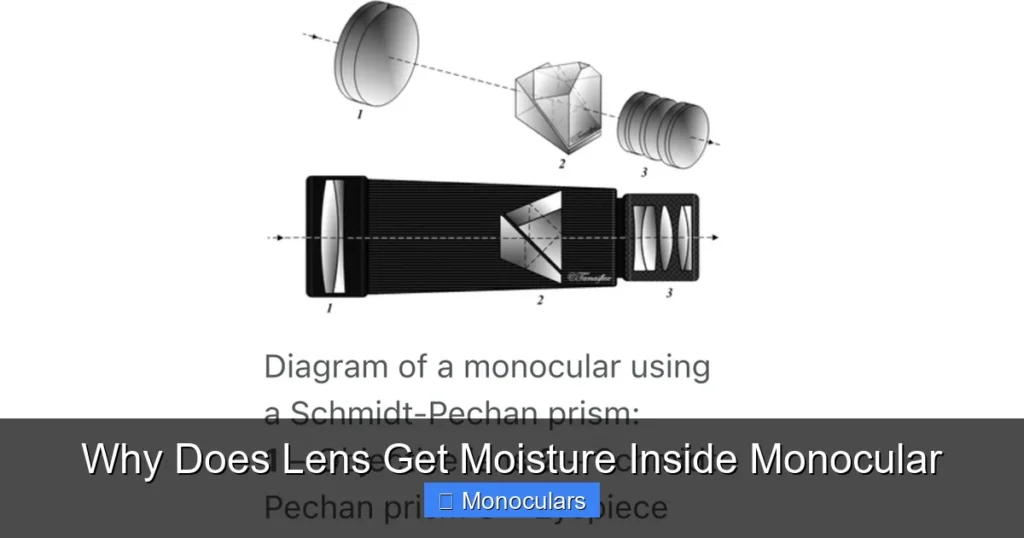
Moisture inside a monocular lens is usually caused by temperature changes, humidity, or seal failure. This condensation can blur vision, promote mold, and damage internal components if not addressed properly.
Have you ever pulled out your monocular on a crisp morning, eager to spot wildlife or enjoy a scenic view, only to find the lens foggy or blurry from moisture trapped inside? It’s frustrating—especially when you’ve invested in a quality optic. You’re not alone. Many outdoor enthusiasts, birdwatchers, hikers, and even military personnel face this common issue. But why does lens get moisture inside monocular? The answer lies in a mix of environmental factors, design flaws, and user habits.
At first glance, it might seem like your monocular is defective. But in most cases, internal moisture isn’t a sign of poor quality—it’s a natural response to changing conditions. Think of it like your bathroom mirror fogging up after a hot shower. The same physics apply here: warm, moist air meets a cooler surface, and condensation forms. Inside a monocular, this process can happen when the internal air cools rapidly or when external humidity finds its way in. Understanding the root causes helps you prevent it and protect your gear.
Key Takeaways
- Temperature fluctuations cause condensation: Moving from cold to warm environments triggers moisture buildup inside the lens.
- High humidity is a major culprit: Exposure to damp air allows water vapor to enter and condense within the optics.
- Seal failure compromises protection: Damaged O-rings or poor manufacturing can let moisture seep into the monocular.
- Improper storage worsens the issue: Leaving your monocular in humid areas like cars or basements increases risk.
- Fogging affects image clarity: Internal moisture scatters light, reducing sharpness and contrast.
- Prevention is easier than repair: Using desiccants, silica gel, and proper handling can stop moisture before it starts.
- Professional servicing may be needed: Persistent moisture often requires disassembly and resealing by experts.
📑 Table of Contents
Understanding How Moisture Enters a Monocular
To tackle the problem, it helps to know how moisture gets inside in the first place. Monoculars are designed to be sealed units, often filled with inert gases like nitrogen or argon to prevent internal fogging and oxidation. These gases are dry and stable, keeping the internal environment moisture-free. However, no seal is perfect forever. Over time, temperature shifts, physical stress, or manufacturing defects can compromise the integrity of the seals.
One common entry point is the O-ring—a small rubber gasket that creates a watertight seal between the lens and the body. If this ring dries out, cracks, or gets misaligned, humid air can slowly seep in. Another possibility is that the monocular wasn’t properly purged during manufacturing. If residual moisture was trapped inside before sealing, it can condense when temperatures drop. Even minor impacts or drops can shift internal components, creating tiny gaps where air and moisture can enter.
Role of Temperature Changes
Temperature swings are one of the biggest triggers for internal moisture. Imagine taking your monocular from a warm car into a cold forest at dawn. The sudden drop in temperature cools the internal air rapidly. If that air contains any moisture—even a tiny amount—it can condense on the cooler lens surfaces. This is especially common in spring and fall when day-night temperature differences are large.
For example, a hiker using a monocular in the Rocky Mountains might store it in a backpack at 70°F (21°C) during the day. At night, temperatures can plunge to 35°F (2°C). When the monocular cools, the air inside contracts, potentially drawing in outside air if the seal isn’t perfect. That air brings humidity, which then condenses as the monocular continues to cool. The result? A foggy lens that won’t clear up until the device warms again—often too late for that perfect wildlife shot.
Impact of Humidity and Weather Conditions
High humidity plays a major role in moisture buildup. Coastal areas, rainforests, and even humid summer days create environments where water vapor is abundant. When you use your monocular in such conditions, the external air is already saturated with moisture. If the monocular’s seals aren’t fully intact, this humid air can slowly infiltrate the interior.
Rain or snow exposure increases the risk. Even if your monocular is labeled “water-resistant,” prolonged exposure to wet conditions can overwhelm its defenses. Water droplets may not enter directly, but the surrounding humid air can. Over time, this leads to gradual moisture accumulation. For instance, a marine biologist using a monocular on a boat in the Pacific Northwest might notice fogging after weeks of use in damp, salty air—even if the device never got fully submerged.
Common Causes of Internal Moisture
Now that we understand the environmental factors, let’s look at the specific causes that lead to moisture inside your monocular. These range from design and manufacturing issues to user-related mistakes.
Poor or Degraded Seals
The most frequent cause of internal moisture is seal failure. Monoculars rely on rubber O-rings and gaskets to keep air and moisture out. Over time, these materials can degrade due to UV exposure, temperature extremes, or simply aging. Rubber becomes brittle, loses elasticity, and no longer forms a tight seal. Even a tiny gap—smaller than a human hair—can allow humid air to enter over time.
Cheaper monoculars are especially prone to this issue. They may use lower-quality seals or skip rigorous testing. A budget model might work fine in dry climates but fail quickly in humid or variable conditions. In contrast, high-end models from brands like Vortex, Leica, or Zeiss use premium materials and undergo pressure testing to ensure long-term sealing.
Manufacturing Defects
Sometimes, the problem starts at the factory. If a monocular isn’t properly purged of moisture before sealing, residual water vapor can remain inside. This is more likely in mass-produced units where quality control is inconsistent. Additionally, if the nitrogen or argon filling process is incomplete, the internal environment isn’t fully dry, increasing the risk of condensation.
You might not notice this issue right away. It could take weeks or months of use in varying conditions for the moisture to become visible. By then, mold or fungus might begin to grow on the lens surfaces—damaging the optics permanently.
Improper Storage and Handling
How you store and handle your monocular matters more than you might think. Leaving it in a hot car, a damp basement, or a humid bathroom creates ideal conditions for moisture intrusion. Cars, in particular, can become ovens in summer, causing internal pressure changes that stress seals. Then, when the monocular cools overnight, it may draw in humid air.
Another common mistake is cleaning the lens with water or alcohol-based solutions and not allowing it to dry completely before reassembling. Even a small amount of residual moisture can become trapped inside. Always use lens-specific cleaning kits and ensure all parts are dry before closing the monocular.
Effects of Moisture on Monocular Performance
Moisture inside your monocular isn’t just a cosmetic issue—it directly impacts performance and longevity. Here’s how:
Reduced Image Quality
The most immediate effect is blurred or hazy vision. Condensation scatters light, reducing contrast and sharpness. You might see double images, halos, or a general loss of clarity. This makes it hard to identify distant objects, whether you’re birdwatching, hunting, or surveying a landscape.
In severe cases, water droplets can form directly on the lens elements, acting like tiny lenses that distort the image. This is especially problematic in low-light conditions, where every bit of clarity counts.
Risk of Mold and Fungus Growth
Moisture creates a breeding ground for mold and fungus. These microorganisms thrive in dark, damp environments—exactly what’s inside a sealed monocular. Once they take hold, they can spread across lens surfaces, leaving permanent stains or etching the glass.
Fungus is particularly damaging because it produces acids that corrode lens coatings. Over time, this leads to irreversible damage, requiring costly repairs or replacement. Unlike surface smudges, internal mold cannot be cleaned without disassembling the optic.
Corrosion of Internal Components
Beyond the lenses, moisture can affect metal parts like focus wheels, adjustment screws, and internal mounts. Rust and corrosion weaken these components, leading to stiffness, jamming, or complete failure. In extreme cases, corrosion can misalign the optical path, making the monocular unusable.
Even electronic monoculars with digital displays or rangefinders are at risk. Moisture can short-circuit circuits or damage sensors, leading to malfunction.
How to Prevent Moisture Buildup
The good news? Most cases of internal moisture are preventable. With the right habits and precautions, you can keep your monocular dry and functional for years.
Use Silica Gel Packs
Silica gel is a desiccant—a substance that absorbs moisture. Place a few silica gel packs in your monocular case or storage bag to keep the surrounding air dry. Replace or recharge them regularly by heating them in an oven (follow manufacturer instructions). This simple step can significantly reduce ambient humidity around your optic.
Store in a Dry, Temperature-Stable Environment
Avoid storing your monocular in places with high humidity or extreme temperatures. A closet in your home is better than a garage, basement, or car. If you live in a humid climate, consider using a dehumidifier in your storage area.
Allow Gradual Temperature Acclimation
When moving between environments with large temperature differences, give your monocular time to adjust. For example, if you’re coming indoors from the cold, leave the monocular in its case for 30–60 minutes before opening it. This reduces the risk of condensation forming inside.
Inspect Seals Regularly
Check the O-rings and seals for cracks, brittleness, or misalignment. Clean them gently with a dry cloth and apply a tiny amount of silicone grease if recommended by the manufacturer. Avoid petroleum-based products, which can degrade rubber.
Choose Quality Optics
Invest in monoculars from reputable brands that use nitrogen or argon purging and high-quality seals. While they cost more upfront, they’re less likely to develop moisture issues and often come with warranties that cover internal fogging.
What to Do If Moisture Is Already Inside
If you spot moisture inside your monocular, don’t panic—but act quickly.
Do Not Use Heat Sources
Avoid using hair dryers, ovens, or direct sunlight to dry the interior. These can damage seals, warp components, or cause thermal shock to the glass.
Let It Air Dry Naturally
Place the monocular in a dry, warm (not hot) area with good airflow. Leave it for several days to allow moisture to evaporate. Keep the lens caps off to promote circulation.
Seek Professional Help
If the moisture persists or you see signs of mold, take the monocular to a professional repair service. They can disassemble, clean, and reseal the unit properly. Attempting DIY repairs may void the warranty or cause further damage.
Conclusion
So, why does lens get moisture inside monocular? It’s usually a combination of temperature changes, high humidity, seal degradation, or manufacturing flaws. While it’s a common issue, it’s not inevitable. By understanding the causes and taking preventive steps—like using silica gel, storing properly, and choosing quality gear—you can keep your monocular clear and reliable.
Remember, your monocular is an investment in your outdoor experiences. A little care goes a long way in preserving its performance. Whether you’re scanning mountain peaks or watching birds in the backyard, a dry, fog-free lens ensures you never miss a moment.
Frequently Asked Questions
Can moisture inside a monocular be fixed?
Yes, in many cases. If caught early, natural drying may clear the moisture. For persistent issues or mold growth, professional disassembly and resealing are usually required.
Is it normal for a new monocular to have internal fogging?
No, it’s not normal. New monoculars should be free of internal moisture. Fogging at purchase may indicate a manufacturing defect—contact the manufacturer or retailer for a replacement.
How can I tell if my monocular is properly sealed?
Check for smooth operation, no play in parts, and intact O-rings. High-end models often advertise nitrogen purging and IPX7 or higher water resistance ratings, indicating strong sealing.
Can I use rice to dry my monocular?
No, rice is not recommended. It can leave dust and starch particles inside the optic. Use silica gel packs instead, which are designed for safe moisture absorption.
Does warranty cover internal moisture damage?
It depends on the brand and model. Many reputable manufacturers cover internal fogging due to seal failure, but not damage from misuse or improper storage. Check your warranty terms.
How often should I check my monocular for moisture?
Inspect it monthly, especially after use in humid or variable conditions. Look for fogging, haze, or spots inside the lens. Early detection prevents long-term damage.