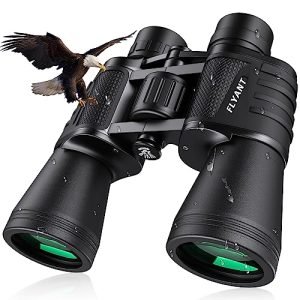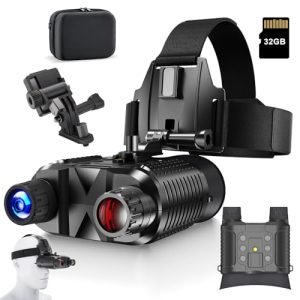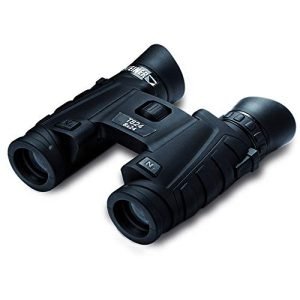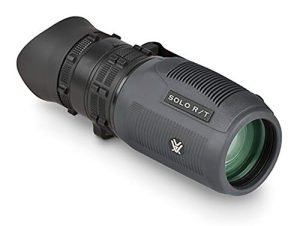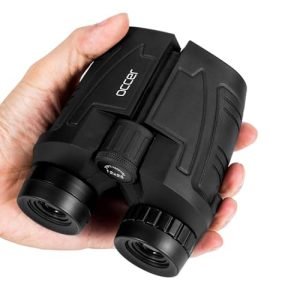
Images fade at longer distances due to atmospheric interference, light scattering, and optical limitations. Understanding these factors helps you choose better monoculars and improve your viewing experience in real-world conditions.
Have you ever looked out across a vast landscape—maybe a mountain range, a forest, or a distant city skyline—and noticed that things far away appear blurry, washed out, or even disappear into a haze? You’re not imagining it. This fading of images at longer distances is a real optical phenomenon, and it happens for several scientific reasons. Whether you’re using your naked eye or a high-quality monocular, this effect is unavoidable—but understanding why it occurs can help you see better and choose the right gear for your adventures.
Monoculars are compact, powerful optical tools designed to bring distant objects closer. They’re popular among hikers, birdwatchers, hunters, and outdoor enthusiasts because they’re lightweight and easy to carry. But even with advanced optics, you’ll still notice that images lose sharpness and contrast the farther they are. Why? It’s not just about the device—it’s about physics, the atmosphere, and the limits of light itself. In this article, we’ll explore the science behind image fading over distance and show you how to get the clearest views possible with your monocular.
Key Takeaways
- Atmospheric particles scatter light: Dust, moisture, and pollution break up light beams, reducing image clarity over distance.
- Light absorption weakens signal: As light travels farther, more of it gets absorbed by air, dimming the image.
- Angular resolution limits detail: The human eye and optical devices can only resolve so much detail at a distance, causing fine features to blur.
- Weather and haze play a big role: Fog, rain, and heat waves distort and fade distant objects significantly.
- Monocular quality matters: Higher magnification and better lens coatings reduce fading and improve long-range visibility.
- Proper use enhances performance: Stable handling, correct focus, and ideal lighting conditions help maintain image quality.
📑 Table of Contents
The Science of Light and Distance
At its core, image fading is about how light travels from an object to your eye or optical device. Light doesn’t move in a perfect, uninterrupted beam. As it travels through the atmosphere, it interacts with air molecules, dust, water droplets, and other particles. These interactions cause light to scatter, absorb, and bend—processes that degrade image quality over long distances.
Think of it like shining a flashlight through fog. The beam doesn’t stay tight and bright; it spreads out and dims. The same thing happens with natural light reflecting off distant objects. The farther the light has to travel, the more it gets disrupted. This is why a mountain 10 miles away looks less detailed than one just 1 mile away—even if your monocular has high magnification.
Light Scattering and the Role of the Atmosphere
One of the biggest culprits behind image fading is light scattering. This occurs when light waves collide with particles in the air and change direction. There are two main types: Rayleigh scattering and Mie scattering.
Rayleigh scattering affects shorter wavelengths of light—like blue and violet—which is why the sky appears blue. But it also means that fine details in distant scenes, which rely on high-frequency light, get scattered away before reaching your eye. Mie scattering, on the other hand, happens with larger particles like dust, smoke, or water droplets. It affects all wavelengths more evenly and is a major cause of haze, which washes out colors and reduces contrast.
For example, on a clear day, you might see a distant tree with decent clarity. But on a humid or smoggy day, that same tree could appear as a faint, grayish blob. Your monocular can’t overcome this atmospheric interference—no matter how strong the magnification.
Absorption of Light Over Distance
Another factor is light absorption. As light travels through air, some of its energy is absorbed by gases and particles. This doesn’t just dim the image—it also reduces color saturation and contrast. The longer the path, the more light is lost.
Imagine trying to read a sign from 100 yards away versus 500 yards. At 100 yards, the letters are sharp and colors are vibrant. At 500 yards, the sign looks faded, almost ghostly. That’s not just because it’s smaller—it’s because less light is reaching your eyes. A monocular can magnify the image, but it can’t replace the lost light. That’s why high-quality monoculars often have larger objective lenses—to gather more light and compensate for absorption.
Atmospheric Conditions That Affect Visibility
Weather and environmental conditions play a huge role in how far and how clearly you can see. Even the best monocular won’t give you a crisp image if the atmosphere is working against you.
Haze, Fog, and Humidity
Haze is one of the most common causes of image fading. It’s caused by tiny particles suspended in the air—like pollution, salt, or pollen. These particles scatter light and create a milky veil over distant objects. On hazy days, mountains, buildings, and even birds can appear washed out or barely visible.
Fog and high humidity make things worse. Water droplets in fog scatter light intensely, reducing visibility to just a few hundred feet. Even with 12x magnification, a monocular won’t help much in thick fog. That’s why many outdoor enthusiasts check weather forecasts before heading out—knowing when conditions will be clearest can make a big difference.
Heat Waves and Thermal Distortion
On hot days, especially over asphalt or desert terrain, you might see shimmering or wavy lines above the ground. This is caused by heat waves—pockets of warm air rising and bending light as it passes through. This thermal distortion makes distant objects appear to wobble or blur, even if they’re stationary.
For example, a deer standing 300 yards away might look like it’s vibrating or melting into the background. Your monocular will magnify this effect, making it harder to identify details. The best solution? Observe during cooler parts of the day—early morning or late evening—when the air is more stable.
Optical Limitations of Monoculars and the Human Eye
Even under perfect conditions, there are physical limits to how much detail we can see at a distance. Both your eyes and your monocular have what’s called angular resolution—the smallest angle between two points that can still be distinguished as separate.
Angular Resolution and Detail Loss
The human eye has an angular resolution of about 1 arcminute under ideal conditions. That means two points must be at least 1/60th of a degree apart for you to see them as distinct. At 1,000 feet, that translates to being able to resolve objects about 1 inch apart. Beyond that, fine details merge into a blur.
Monoculars improve this by magnifying the image, but they can’t create detail that isn’t there. If atmospheric conditions have already scattered or absorbed the light carrying those details, no amount of zoom will bring them back. That’s why a 10x monocular might show you a bird, but not its feather patterns—unless it’s relatively close and the air is clear.
The Role of Lens Quality and Coatings
Not all monoculars are created equal. Lower-quality models may have poor lens coatings, chromatic aberration (color fringing), or weak light transmission. These flaws exaggerate image fading, especially at long distances.
High-end monoculars use multi-coated lenses that reduce glare, improve contrast, and allow more light to pass through. Some even have ED (extra-low dispersion) glass to minimize color distortion. These features help maintain image clarity even when viewing distant subjects.
For example, a premium monocular with fully multi-coated lenses might show a distant eagle with sharp outlines and natural colors, while a budget model renders it as a fuzzy brown speck. Investing in quality optics pays off when you’re trying to see far.
Practical Tips to Reduce Image Fading
While you can’t eliminate image fading entirely, you can take steps to minimize its effects and get the best possible view with your monocular.
Choose the Right Time and Conditions
Timing is everything. Early morning and late afternoon often offer the clearest air, with less heat distortion and lower humidity. Avoid midday, especially in summer, when the sun heats the ground and creates turbulence.
Also, look for days with low pollution and minimal wind, which can stir up dust. Coastal areas may have salt haze, while cities often have smog—both reduce visibility. Planning your outing around optimal conditions can dramatically improve your viewing experience.
Use Proper Technique
How you hold and use your monocular matters. Shaky hands can blur the image, especially at high magnifications. Use a stable surface, lean against a tree, or consider a small tripod adapter for your monocular.
Also, make sure to adjust the focus carefully. Many people rush this step, but fine-tuning the focus can make the difference between a blurry mess and a crisp image. Take your time—especially when viewing distant objects.
Clean and Maintain Your Monocular
Dirt, fingerprints, and smudges on the lenses can scatter light and reduce clarity. Always carry a microfiber cloth and lens cleaning solution. Avoid using clothing or rough materials that could scratch the lenses.
Store your monocular in a protective case when not in use. Dust and moisture can degrade lens coatings over time, reducing performance.
Choosing the Best Monocular for Long-Distance Viewing
If you frequently observe distant objects, investing in a high-quality monocular is worth it. Look for models with:
– Large objective lenses (42mm or more) for better light gathering
– Fully multi-coated lenses to reduce glare and improve contrast
– High magnification (8x to 10x) without sacrificing image stability
– ED or HD glass for reduced color distortion
– Waterproof and fog-proof construction for all-weather use
Brands like Vortex, Leica, and Nikon offer excellent options for serious users. While they cost more, they deliver significantly better performance at long distances.
Remember: no monocular can overcome poor atmospheric conditions. But the right one can maximize clarity when conditions are good—and help you see more when they’re not.
Conclusion
Image fading at longer distances is a natural result of how light interacts with the atmosphere and the limits of optical systems. Factors like light scattering, absorption, weather, and angular resolution all contribute to the loss of detail and contrast over distance. While monoculars enhance your ability to see far, they work within these physical constraints.
By understanding the science behind image fading, you can make smarter choices—about when to observe, how to use your gear, and what equipment to buy. With the right knowledge and tools, you’ll get clearer, sharper views—no matter how far you’re looking.
Frequently Asked Questions
Why do distant objects look blurry even with a monocular?
Distant objects appear blurry due to atmospheric interference, light scattering, and the limits of angular resolution. Even high-magnification monoculars can’t recover details lost to haze, dust, or absorption over long distances.
Can a monocular eliminate image fading?
No monocular can completely eliminate image fading, but high-quality models with better lenses and coatings can significantly reduce its effects by gathering more light and improving contrast.
Does weather affect how far I can see with a monocular?
Yes, weather plays a major role. Fog, rain, humidity, and heat waves all scatter or distort light, reducing visibility. Clear, cool mornings often offer the best viewing conditions.
What magnification is best for long-distance viewing?
8x to 10x magnification is ideal for long-distance use. Higher magnifications may amplify atmospheric distortion and require more stability, making them harder to use effectively.
How do lens coatings help reduce image fading?
Lens coatings reduce glare, improve light transmission, and minimize reflections. Fully multi-coated lenses help maintain brightness and contrast, especially in low-light or hazy conditions.
Should I clean my monocular regularly?
Yes, regular cleaning with a microfiber cloth and lens solution prevents smudges and dust from scattering light. Clean lenses ensure maximum clarity and performance.