Have you ever wondered how long your ED binoculars will last? Whether you’re a bird watcher, a hunter, or just someone who loves clear, sharp views, knowing the lifespan of your binoculars is key to getting the most value from them.
Imagine investing in a pair that stays reliable and crystal clear for years, saving you money and frustration. You’ll discover what affects the durability of your ED binoculars and how to make them last longer. Keep reading to protect your investment and enjoy every moment with perfect clarity.
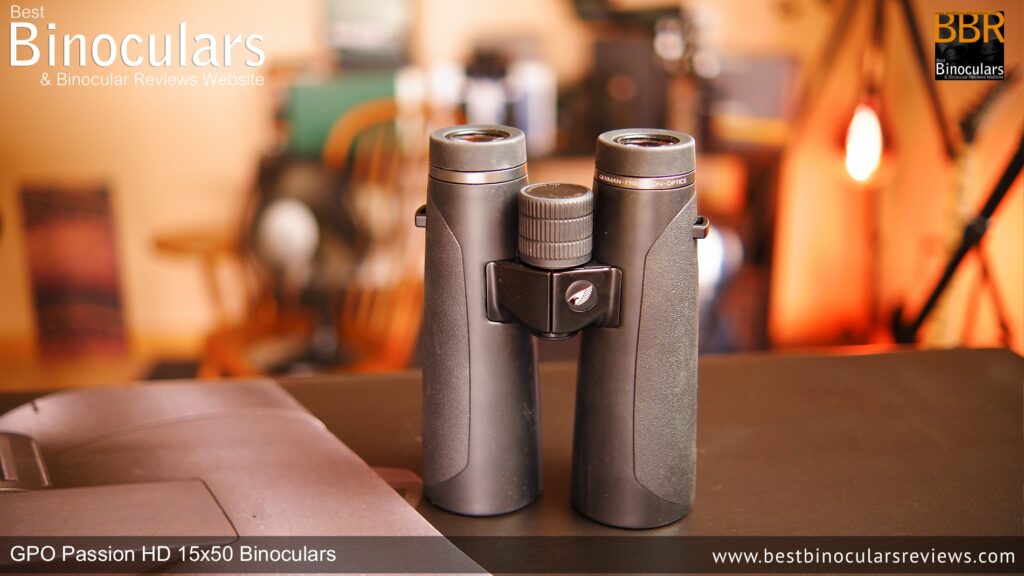
Credit: www.bestbinocularsreviews.com
Factors Affecting Lifespan
The lifespan of ED binoculars depends on several key factors. These factors influence how long the binoculars stay functional and deliver clear images.
Understanding these factors helps users take better care of their binoculars and use them wisely.
Build Quality And Materials
Binoculars made from high-quality materials tend to last longer. Strong metal bodies resist damage better than plastic ones. The lens coatings also affect durability and image quality over time.
- Metal or rubber-armored bodies protect against drops
- Multi-coated lenses reduce scratches and improve clarity
- Sealed and fog-proof designs prevent internal damage
Frequency Of Use
How often you use your ED binoculars affects their wear and tear. Frequent use can wear down moving parts and coatings faster. Rare use might cause lubrication to dry out, affecting smooth operation.
| Usage Level | Effect on Lifespan |
| Daily Use | Faster wear, needs regular maintenance |
| Weekly Use | Balanced wear and care |
| Occasional Use | Less wear but possible lubrication issues |
Environmental Conditions
Exposure to harsh environments can shorten binoculars’ life. Dust, water, and extreme temperatures may damage lenses and body parts. Using binoculars in safe conditions helps keep them working well.
- Keep binoculars dry to prevent rust and fogging
- Avoid exposure to sand or dust which can scratch lenses
- Store in moderate temperatures to protect seals and lubricants
Maintenance And Care
Regular cleaning and proper storage greatly extend binoculars’ lifespan. Using the right cleaning tools and storing in a case protect the optics and mechanics.
- Clean lenses with a soft microfiber cloth only
- Store binoculars in a padded case when not in use
- Check and tighten screws or parts periodically
- Avoid touching lenses with fingers

Credit: www.ebay.com
Common Signs Of Wear
ED binoculars are built to last, but they show signs of wear over time. Knowing these signs helps you decide if repair or replacement is needed.
Wear can affect how well your binoculars work and how comfortable they feel. Look closely at the optics, mechanics, and outer body.
Optical Clarity Issues
Blurry or foggy views often mean the lenses are damaged or dirty. Scratches on the lenses reduce image quality. Internal fogging happens when moisture gets inside the binoculars.
- Blurry or unclear images
- Fog inside the lenses
- Scratches or dirt on glass surfaces
Mechanical Problems
Stiff or loose focus wheels make it hard to adjust the view. Hinges that do not hold the right distance cause discomfort. Sometimes, the eyecups get stuck or break.
- Focus wheel hard to turn
- Loose or tight hinge movement
- Broken or stuck eyecups
Exterior Damage
Cracks or dents in the body can let dust and water inside. Worn rubber grips reduce comfort and protection. Faded paint or scratches show heavy use but may not affect function.
- Cracked or dented casing
- Worn or missing rubber grips
- Scratched or faded outer surface
Extending Binocular Lifespan
Ed binoculars are built to last many years. Taking care of them can help you enjoy clear views longer.
Simple steps like cleaning, storing, and servicing keep your binoculars in good shape.
Proper Cleaning Techniques
Cleaning your binoculars gently removes dust and dirt without harm. Use soft tools and avoid harsh chemicals.
Always clean the lenses carefully to keep the view clear and bright.
- Use a soft brush or air blower to remove loose dirt
- Wipe lenses with a microfiber cloth or lens tissue
- Use lens cleaner made for optics if needed
- Avoid touching lenses with fingers
Safe Storage Tips
Store your binoculars in a dry place to stop moisture damage. Keep them in a case to avoid scratches.
Protect binoculars from extreme heat or cold. These can harm the lenses and seals.
- Use a padded case for storage and travel
- Keep binoculars away from direct sunlight
- Store in a cool, dry place
- Keep lens caps on when not in use
Regular Servicing
Check your binoculars regularly for damage or loose parts. Early fixing stops bigger problems.
Professional servicing ensures the optics and mechanics work well. It helps your binoculars last longer.
- Inspect for scratches or cracks on lenses
- Check the focus and adjustment knobs
- Have a professional clean internal parts if needed
- Service seals and waterproofing regularly
When To Replace Your Binoculars
Binoculars can last many years with good care. Knowing when to replace them saves money and improves your viewing experience.
This guide helps you spot signs of wear and decide if repairs or upgrades are better choices.
Performance Decline Indicators
Watch for changes in how well your binoculars work. These signs mean it may be time to replace them.
- Blurry or unclear images even after focusing
- Loose or stiff adjustment knobs
- Scratches or cracks on lenses
- Water or fog inside the lenses
- Difficulty keeping both eyes aligned
Cost Of Repairs Vs Replacement
Sometimes fixing binoculars costs more than buying new ones. Compare repair prices and benefits before deciding.
| Issue | Repair Cost | Replacement Cost | Recommendation |
|---|---|---|---|
| Minor lens cleaning | $20 | $150 | Repair |
| Lens replacement | $100 | $150 | Depends on binocular model |
| Mechanical damage | $120 | $150 | Replace |
| Water damage | $80 | $150 | Replace if severe |
Upgrading To New Features
New binoculars often have better features. Upgrading can improve your outdoor experience.
- Improved lens coatings for brighter images
- Lighter and more durable materials
- Waterproof and fog-proof designs
- Better eye relief for glasses wearers
- Built-in rangefinders or compasses

Credit: www.ebay.com
Frequently Asked Questions
How Long Do Ed Binoculars Typically Last?
ED binoculars usually last between 10 to 20 years with proper care. Regular maintenance and careful handling extend their lifespan significantly.
What Factors Affect The Lifespan Of Ed Binoculars?
Durability depends on build quality, usage frequency, and environmental exposure. Proper cleaning and storage also play crucial roles in longevity.
Can Ed Binoculars Be Repaired To Extend Lifespan?
Yes, many ED binoculars can be repaired. Replacing lenses or fixing focusing mechanisms helps prolong their useful life.
Does Waterproofing Impact Ed Binoculars’ Durability?
Waterproof ED binoculars generally last longer as they resist moisture damage. This feature protects internal components and maintains optical clarity over time.
Conclusion
ED binoculars can last many years with proper care. Regular cleaning and safe storage help keep them working well. Avoid dropping or exposing them to water to prevent damage. Quality models often come with good warranties for peace of mind.
Choose a trusted brand and handle your binoculars gently. This way, you enjoy clear views for a long time. Your investment pays off with lasting performance and sharp images. Take care, and your ED binoculars will serve you well on many adventures.