When you’re out in the field, every detail matters—especially what you see through your binoculars. Choosing the right size binoculars can make the difference between success and failure in tactical missions.
But with so many options available, how do you know which size suits your needs best? You’ll discover the most popular binocular sizes used by professionals in tactical situations and why they matter for your mission. Keep reading to find out how the right binoculars can sharpen your vision and give you the edge you need.

Credit: www.youtube.com
Common Binocular Sizes
Binoculars come in different sizes for various uses. Tactical missions need the right size for clear vision and easy handling.
Choosing the right binocular size helps soldiers see far without carrying heavy gear. Let’s look at common sizes used in tactical work.
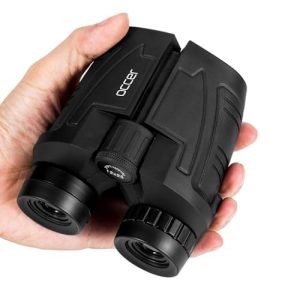
Compact Binoculars
Compact binoculars are small and light. They fit easily in pockets or small bags.
These binoculars usually have lenses around 20 to 30 mm. They are easy to carry on long missions.
- Lightweight and portable
- Best for quick spotting
- Shorter viewing distance
Mid-sized Binoculars
Mid-sized binoculars balance size and power. They often have 30 to 40 mm lenses.
These binoculars work well for most tactical tasks. They offer clear images and are not too heavy.
- Good image clarity
- Moderate weight for comfort
- Suitable for varied distances
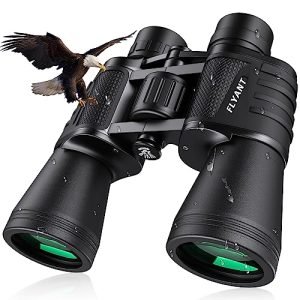
Full-sized Binoculars
Full-sized binoculars have large lenses, usually 40 mm or more. They give bright images at long distances.
These binoculars are heavier but best for detailed viewing. They are used when clear vision is critical.
- Highest image brightness
- Better for low light conditions
- Heavier and less portable
Key Factors In Size Selection
Choosing the right size binoculars is important for tactical missions. Size affects how well you can see and move.
Several factors help decide the best size for binoculars in these situations. These include magnification, weight, and view area.
Magnification And Objective Lens
Magnification shows how much closer objects appear. Objective lens size lets in light for a clear image.
Higher magnification makes objects look bigger but can be hard to hold steady. Larger lenses give brighter views but add weight.
- Common tactical magnification: 7x to 10x
- Objective lens size often ranges from 30mm to 42mm
- Balance between clear image and ease of use is key
Portability And Weight
Lightweight binoculars are easier to carry during long missions. Heavy models cause fatigue and slow movement.
Compact sizes fit better in packs and are quicker to use. Size must not reduce durability or image quality too much.
- Smaller binoculars weigh around 400-600 grams
- Compact design helps quick deployment
- Durability is important for rough conditions
Field Of View
Field of view (FOV) shows how wide an area you see. A bigger FOV helps spot targets faster.
Binocular size can affect FOV. Larger lenses often provide wider views but add weight and bulk.
- Tactical binoculars usually have 300-400 feet FOV at 1000 yards
- Wide FOV helps track moving targets
- Too narrow FOV makes scanning slow and tiring
Performance In Tactical Environments
Choosing the right size binoculars is critical for tactical missions. The size affects how well they perform in various conditions. This guide focuses on binoculars used most in tactical environments.
Smaller binoculars are easier to carry, but larger ones offer better viewing. The balance depends on the mission needs and environment.
Low Light Conditions
Many tactical missions happen in dawn, dusk, or night. Binoculars must perform well in low light. Larger objective lenses gather more light, improving visibility.
- Binoculars with 40mm to 50mm lenses are common for low light.
- Wide lenses increase brightness and detail.
- Magnification between 7x and 10x balances light and stability.
Durability And Weather Resistance
Tactical binoculars face harsh weather and rough use. Durability and weather sealing are essential. Size affects how tough the binoculars can be made.
| Feature | Importance | Typical Size Impact |
| Waterproofing | High | All sizes can be sealed |
| Shock Resistance | High | Larger models often have stronger build |
| Weight | Medium | Smaller size reduces fatigue |
| Material | High | Metal or reinforced plastics used |
Ease Of Use Under Stress
Stressful situations require quick and easy use. The binoculars’ size affects grip, focus speed, and comfort.
- Compact binoculars are easier to hold and carry.
- Controls should be simple and reachable.
- Magnification should not be too high to avoid image shake.
- Focus rings must turn smoothly and quickly.

Credit: explore.omsystem.com
Popular Binocular Models For Tactical Use
Tactical missions require binoculars that are durable and provide clear images. The size of binoculars is important for easy handling and fast target acquisition.
Many tactical binoculars come in sizes that balance magnification and field of view. This helps users see details without losing sight of the surroundings.
Leupold Bx-4 Pro Guide Hd
The Leupold BX-4 Pro Guide HD is popular for its rugged design. It offers a 10×42 size, which is common in tactical use.
This size provides good magnification and a wide field of view. The binoculars are lightweight and easy to carry during missions.
Nikon Monarch 5 10×42
Nikon Monarch 5 10×42 binoculars are favored for their clear optics. They deliver sharp images in low light conditions, useful in tactical settings.
The 10×42 size is a standard for tactical binoculars. It balances power and portability for fast and accurate observation.
Bushnell Forge 10×42
Bushnell Forge 10×42 binoculars offer strong build quality and bright images. They are waterproof and fog proof, good for tough environments.
The 10×42 size helps users see targets clearly without heavy gear. This makes them easy to use on long tactical missions.
Vortex Optics Razor Hd 10×42
Vortex Optics Razor HD 10×42 binoculars are known for excellent clarity. They have a durable frame and good grip for quick handling.
This model’s 10×42 size is popular for tactical tasks. It offers detailed views and a wide field of vision.
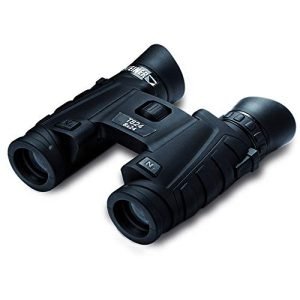
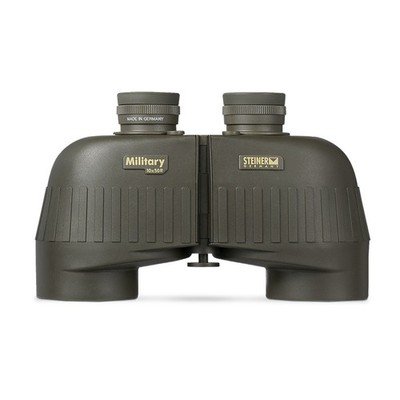
Steiner Military-marine 8×30
Steiner Military-Marine 8×30 binoculars are compact and lightweight. The 8×30 size is smaller but still effective for tactical use.
This size provides a wider field of view and is easier to carry. It suits missions where speed and mobility are key.
Balancing Size With Mission Needs
Choosing the right binocular size is key for tactical missions. The goal is to find a balance between portability and clear vision.
Different missions need different binocular sizes. The right choice depends on how the binoculars will be used.
Reconnaissance Missions
Reconnaissance often needs lightweight and compact binoculars. Soldiers must carry gear over long distances, so heavy equipment slows them down.
- Compact size fits easily in a backpack or vest
- Magnification between 6x and 8x for clear detail without shakiness
- Wide field of view to scan large areas quickly
- Durable and weather-resistant to handle rough conditions
Combat Scenarios
In combat, binoculars must be fast and easy to use. Size matters for quick aiming and movement.
| Binocular Size | Benefits |
| Small (20-30mm) | Easy to carry, fast target acquisition |
| Medium (30-40mm) | Balanced view and brightness |
| Large (40mm+) | Better clarity but heavier and slower |
Most soldiers prefer small to medium sizes. They offer a good mix of speed and vision.
Surveillance Tasks
Surveillance needs longer observation times. Comfort and image quality are top priorities.
| Feature | Recommended Size | Reason |
|---|---|---|
| Magnification | 8x to 10x | Clear details at a distance |
| Objective Lens | 40mm to 50mm | More light for bright images |
| Weight | Moderate | Comfort for long use |
| Stability | Tripod mount option | Steady viewing |

Credit: www.amazon.com
Advancements In Binocular Technology
Binoculars used in tactical missions have improved a lot. New technology helps users see clearly and act faster.
These advances make binoculars lighter, sharper, and more useful in tough conditions.
Image Stabilization
Image stabilization keeps the view steady. It reduces shaking from hand movements. This is very helpful during long observations.
With this feature, users get clear pictures even while moving or in windy places.
Rangefinding Integration
Rangefinding lets users measure distance to targets quickly. This helps with aiming and planning moves.
| Feature | Benefit |
| Laser Rangefinder | Accurate distance measurement |
| Ballistic Calculator | Improves shooting precision |
| Digital Display | Easy to read data |
Night Vision Capabilities
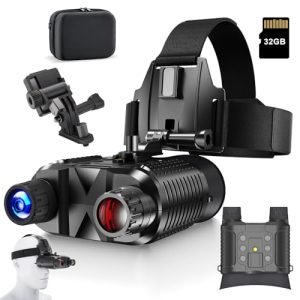
Night vision lets users see in the dark. It uses special sensors to brighten low light scenes.
- Infrared illumination for clear images
- Automatic brightness control
- Lightweight and compact designs
Frequently Asked Questions
What Size Binoculars Are Ideal For Tactical Missions?
The most used binocular size in tactical missions is 8×42. This size balances magnification and light gathering, offering clear images. It is compact, lightweight, and suitable for various environments, enhancing situational awareness without causing fatigue during extended use.
Why Choose 8×42 Binoculars For Tactical Use?
8×42 binoculars provide a wide field of view and bright images. Their 8x magnification is powerful yet stable, reducing hand shake impact. The 42mm objective lens allows excellent low-light performance, crucial for dawn or dusk operations in tactical missions.
How Do Binocular Size Affect Tactical Mission Performance?
Binocular size impacts weight, field of view, and image brightness. Larger lenses gather more light but add weight. Smaller sizes are lighter but may reduce clarity. Tactical missions require a balance, typically found in mid-sized binoculars like 8×42, for optimal performance.
Can Compact Binoculars Be Used Effectively In Tactical Missions?
Compact binoculars offer portability but often sacrifice image brightness and field of view. They may struggle in low-light conditions common in tactical missions. While useful for quick observation, they are less preferred compared to 8×42 models for comprehensive tactical use.
Conclusion
Tactical missions need binoculars that balance size and power. Compact models offer easy carrying and quick use. Medium-sized binoculars provide better vision without extra bulk. Soldiers often choose sizes that suit their mission type. Clear images and lightweight design help in fast decisions.
Choosing the right binoculars can improve mission success. Small, sharp, and reliable—that’s the key. The best size depends on the user’s needs and terrain. Keep these points in mind when selecting binoculars.