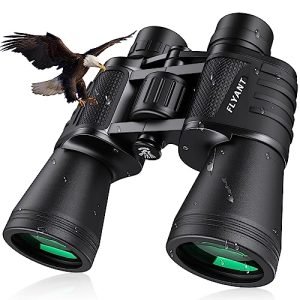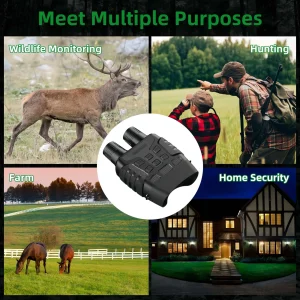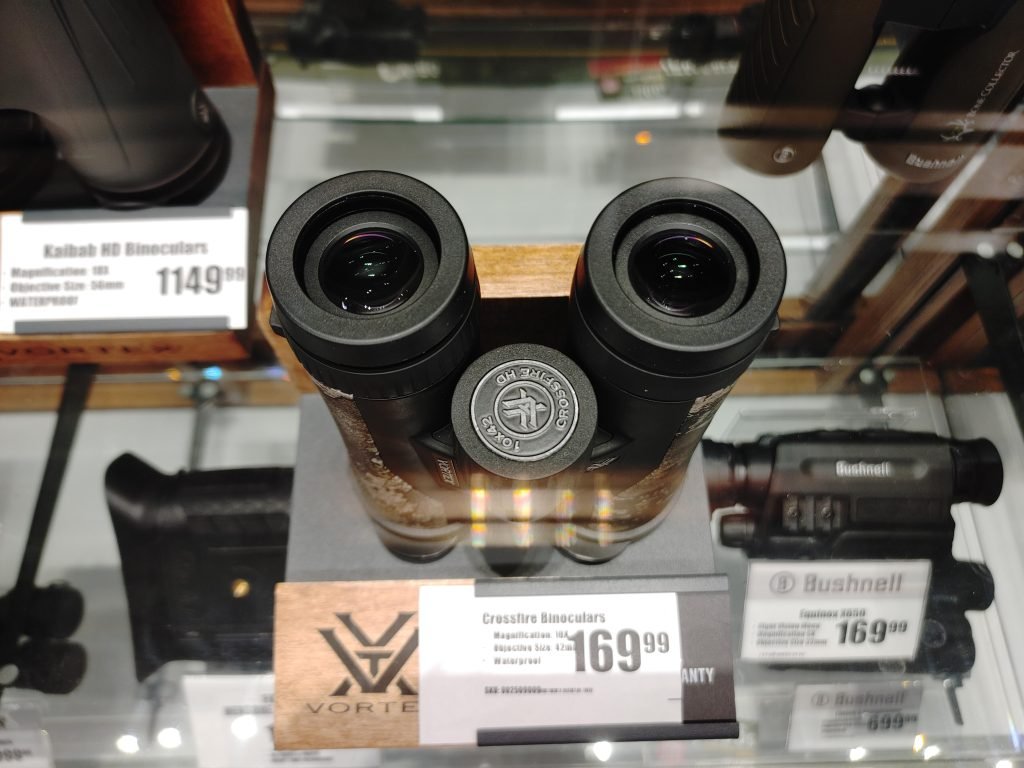
When you need to see clearly from a distance, choosing the right binoculars is crucial. But with so many sizes and options, how do you know which one fits your surveillance needs best?
The size of your binoculars affects everything—from how easy they are to carry, to how sharp and steady your view will be. You’ll discover exactly what size binoculars work best for surveillance, helping you make the smartest choice without wasting time or money.
Keep reading to find out how to get the perfect balance between power, portability, and comfort for your specific situation.

Credit: www.amazon.com
Key Factors In Choosing Binocular Size
Choosing the right size binoculars is important for surveillance tasks. Size affects comfort, clarity, and ease of use.
Think about what you need most before picking binoculars. Size choices depend on your specific surveillance needs.
Magnification And Field Of View
Magnification shows how close objects appear through binoculars. Higher magnification brings objects nearer but can reduce the viewing area.
Field of view is how wide the area you can see is. A wide field helps track moving targets and scan large areas quickly.
- Low magnification (6x to 8x) offers wider fields of view
- High magnification (10x or more) shows more detail but narrows view
- Balance magnification to keep both clarity and a good field
Objective Lens Diameter
The objective lens diameter is the size of the front lenses in millimeters. Larger lenses let in more light for a brighter image.
Bright images help in low light or night surveillance. But bigger lenses increase binocular size and weight.
- Small lenses (20-30mm) are light but less bright
- Medium lenses (30-40mm) balance brightness and size
- Large lenses (40mm+) offer best brightness, more weight
Portability And Weight
Portability matters if you carry binoculars for long periods. Heavy binoculars can cause fatigue and slow your response.
Compact binoculars fit in pockets and are easy to hold but may sacrifice some features. Larger models offer better views but weigh more.
- Compact sizes are easy to carry and quick to use
- Mid-size binoculars balance weight and performance
- Full-size binoculars provide best optics but less portable
Common Binocular Sizes For Surveillance
Choosing the right binocular size is important for surveillance tasks. The size affects how easy binoculars are to carry and how clear the view is.
Binoculars come in compact, mid-sized, and full-sized types. Each size fits different surveillance needs.
Compact Binoculars
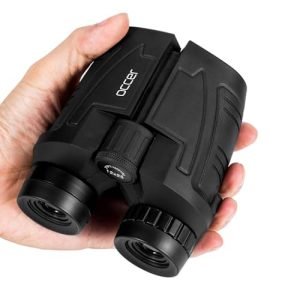
Compact binoculars are small and light. They are easy to carry and hide during surveillance.
These binoculars usually have smaller lenses. This means less light enters, so they work best in daylight.
- Size: About 25mm to 30mm lens diameter
- Weight: Very light, easy to carry
- Best use: Daytime surveillance and quick spotting
Mid-sized Binoculars
Mid-sized binoculars balance size and power. They are bigger than compact models but still easy to carry.
They have larger lenses for better image brightness. These binoculars work well in low light conditions.
- Size: Around 30mm to 40mm lens diameter
- Weight: Moderate, good for longer use
- Best use: Day and night surveillance
Full-sized Binoculars
Full-sized binoculars have large lenses and powerful zoom. They give clear views even far away.
These binoculars are heavier and less easy to carry. They are best for fixed surveillance spots.
- Size: 40mm and above lens diameter
- Weight: Heavy, needs a tripod sometimes
- Best use: Long-distance and low light surveillance
Advantages Of Different Sizes
Choosing the right binocular size is important for surveillance tasks. Different sizes offer various benefits. Understanding these can help pick the best binoculars.
Binoculars vary mainly by size: compact, mid-sized, and full-sized. Each size fits different needs and situations.
Benefits Of Compact Models
Compact binoculars are small and lightweight. They are easy to carry and hold for long periods. This makes them good for quick and discreet surveillance.
These models fit in pockets or small bags. You can quickly pull them out when needed. Their size causes less attention in public places.
- Lightweight and portable
- Easy to use with one hand
- Good for short-distance viewing
- Less likely to draw attention
Strengths Of Mid-sized Options
Mid-sized binoculars balance size and power. They offer better image quality than compact models. They work well for medium-range surveillance.
These binoculars provide a comfortable grip. They often have better lenses and larger objective lenses. This means brighter and clearer views in low light.
- Good image clarity and brightness
- Comfortable for longer use
- Suitable for day and night use
- Moderate size for easy carrying
Why Choose Full-sized Binoculars
Full-sized binoculars have large lenses and high magnification. They offer the best detail and light gathering. These are ideal for long-distance surveillance.
They are heavier and larger but provide clear, bright images even in poor light. Users often need a tripod or steady surface to hold them steady.
- Highest image quality and detail
- Excellent performance in low light
- Best for long-distance viewing
- Usually require extra support to hold
Situational Needs And Environment
Choosing the right size binoculars depends on where and how you will use them. Different situations need different types of binoculars for best results.
Understanding your environment helps pick binoculars that give clear views without extra weight or bulk.
Urban Surveillance
In cities, you need compact binoculars that are easy to carry and quick to use. A smaller size helps with mobility and quick reactions.
Binoculars with 8x or 10x magnification work well for urban areas. They offer clear images without shaking too much.
- Compact design for easy handling
- Magnification around 8x to 10x
- Good field of view for tracking movement
Outdoor And Wildlife Monitoring
For nature watching, larger binoculars with higher magnification are better. They let you see animals from far away clearly.
Binoculars sized 10×42 or 12×50 are popular. They balance power and light gathering, which helps in open spaces.
- Higher magnification like 10x or 12x
- Objective lens size 42mm to 50mm for brightness
- Durable and weather-resistant build
Low Light Conditions
In dim light, bigger lenses gather more light for clearer views. This is important at dawn, dusk, or indoors.
Binoculars with lens sizes over 50mm and low magnification, like 7×50, work best in low light. They keep images bright and steady.
- Large objective lenses (50mm or more)
- Lower magnification (around 7x) for brightness
- Wide field of view for scanning areas
Additional Features To Consider
Choosing the right binoculars for surveillance involves more than just size. Extra features can improve your experience and results. These features help in different environments and lighting conditions.
Consider options like image stabilization, weather resistance, and night vision. Each adds value depending on your specific needs.
Image Stabilization
Image stabilization helps reduce shakiness and blur from hand movements. This is useful in long observation sessions or when using high magnification.
- Reduces eye strain by providing a steady view
- Improves clarity in shaky conditions like moving vehicles
- Allows easier tracking of moving targets
Waterproof And Fogproof Design
Durability against weather is key for outdoor use. Waterproof and fogproof binoculars protect lenses and mechanics in wet or humid conditions.
| Feature | Benefit |
| Waterproof | Prevents water damage during rain or wet environments |
| Fogproof | Stops internal fogging caused by temperature changes |
| Rubber Coating | Offers extra grip and shock resistance |
Night Vision Capabilities
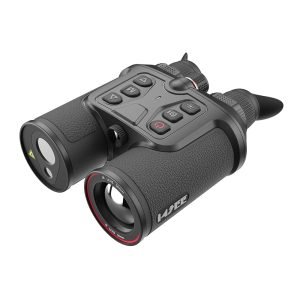
Night vision binoculars use special lenses or infrared technology. This allows clear viewing in low light or total darkness.
Key points about night vision binoculars:
- Use infrared illumination to see in the dark
- Often bulkier and need batteries
- Best for surveillance in dark or nighttime settings

Credit: www.allaboutbirds.org
Tips For Testing And Selecting Binoculars
Choosing the right binocular size is key for good surveillance. You need to test binoculars before buying.
Try different models to find the best fit for your needs. Comfort and performance matter most.
Hands-on Testing
Hold the binoculars and look through them at various distances. Check how clear and sharp the view is.
Test binoculars in low light and bright conditions. This shows how well they work in different situations.
- Focus on objects far away and close up
- Try adjusting the focus quickly
- Check for image brightness and clarity
Checking Ergonomics
Make sure binoculars feel comfortable in your hands. They should not be too heavy or awkward to hold.
Look at the size and placement of buttons and focus wheels. They should be easy to reach and use.
- Check grip texture for a secure hold
- Try using binoculars with one hand
- Consider if they fit well with your face
Budget Considerations
Set a price range before shopping. Good binoculars come in many price levels.
Balance cost with features and quality. Sometimes paying a bit more gives better durability.
- Compare prices of different brands
- Look for warranty or service options
- Check reviews for value and reliability
Credit: www.transientoutdoorsman.com
Frequently Asked Questions
What Binocular Size Is Ideal For Surveillance?
A 7×35 or 8×42 binocular size is ideal for surveillance. It offers a good balance of magnification and light gathering, ensuring clear, stable images without excessive bulk.
How Does Magnification Affect Surveillance Binoculars?
Higher magnification provides closer views but reduces image stability. For surveillance, 7x to 10x magnification offers clear detail while maintaining a steady image.
Are Compact Binoculars Suitable For Surveillance?
Compact binoculars are portable but often have smaller lenses, reducing light intake. For effective surveillance, mid-sized binoculars with larger lenses perform better in various lighting.
Why Is Lens Diameter Important In Surveillance Binoculars?
Lens diameter impacts brightness and clarity. Larger lenses (35mm or more) gather more light, providing clearer images in low-light surveillance conditions.
Conclusion
Choosing the right binocular size depends on your surveillance needs. Smaller binoculars offer easy handling and quick use. Larger ones provide better zoom and clearer views. Balance size with comfort and image quality. Think about where and how long you will watch.
The best binoculars fit your eyes and your task. Keep these points in mind to make a smart choice. Your perfect pair helps you see details clearly and act confidently.