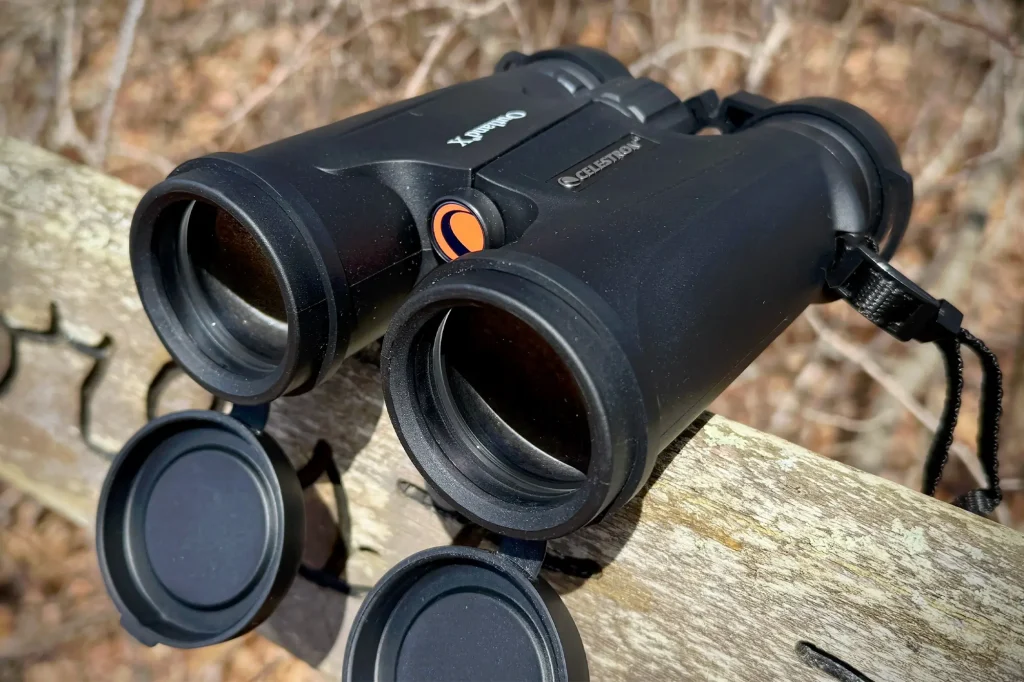
When you’re part of a Search and Rescue (SAR) team, having the right binoculars can make all the difference between success and missing a crucial detail. But with so many sizes and options out there, how do you know which binoculars will serve you best in the field?
Choosing the right size isn’t just about comfort—it affects your vision, mobility, and how quickly you can spot what matters most. You’ll discover exactly what size binoculars match your needs, helping you perform better and keep your team safe. Keep reading to find out which binoculars give you the edge when every second counts.

Credit: gearjunkie.com
Key Factors For Sar Binoculars
Search and Rescue (SAR) teams need binoculars that perform well in tough conditions. The right size and features make spotting easier and faster.
Choosing binoculars for SAR work involves considering many factors. These include how far you can see, how clear the image is, and how easy they are to carry.
Magnification And Field Of View
Magnification shows distant objects closer. A good SAR binocular usually has 7x to 10x magnification.
The field of view is how wide an area you can see. A wide field of view helps find people quickly.
- 7x magnification offers a wide field of view and steady image
- 10x magnification shows more detail but narrows the view
- Look for at least 300 feet field of view at 1000 yards
Lens Diameter And Light Gathering
The lens diameter controls how much light enters the binoculars. Bigger lenses give brighter images, especially in low light.
For SAR teams, lens sizes between 30mm and 50mm work well. They balance brightness and weight.
- 30-42mm lenses are lighter and good for daytime use
- 42-50mm lenses perform better in dawn, dusk, or fog
- Good coatings on lenses improve light transmission
Weight And Portability
SAR teams often carry gear for long periods. Lightweight binoculars reduce fatigue and are easier to use.
Compact binoculars are easier to carry but may have smaller lenses. Choose a balance between size and performance.
- Binoculars under 30 ounces are easier to handle
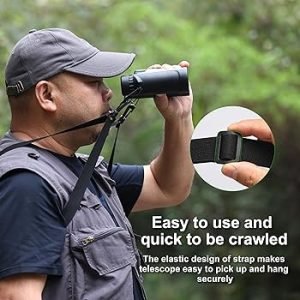
- Use straps or harnesses to carry binoculars comfortably
- Compact models fit better with other SAR gear
Durability And Weather Resistance
SAR work happens in tough environments. Binoculars should resist water, dust, and impacts.
Look for binoculars with waterproof seals and rubber armor. These protect the optics and improve grip.
- Waterproof and fog-proof binoculars work in rain and humidity
- Rubber armor helps prevent damage from drops
- Check for shock resistance and strong build quality
Popular Binocular Sizes For Sar
Search and Rescue (SAR) teams need binoculars that balance power and ease of use. Choosing the right size helps spot details from far away and stay comfortable during long missions.
Binocular sizes are described by two numbers: magnification and lens diameter. The magnification shows how many times closer objects appear. The lens diameter affects how much light the binoculars gather.
7×35 Binoculars
7×35 binoculars offer 7 times magnification and 35mm lenses. They are light and easy to carry. The wide view helps scan large areas quickly.
These binoculars work well in daylight and clear weather. They may struggle in low light or at night. SAR teams use them for fast searches and quick spotting.
8×42 Binoculars
8×42 binoculars give 8 times magnification with 42mm lenses. They balance power and brightness. The larger lenses collect more light for clearer images.
This size is popular for SAR work. They work well in different light conditions and still stay comfortable to hold. Many teams choose 8×42 for versatility and clarity.
10×50 Binoculars
10×50 binoculars have 10 times magnification and 50mm lenses. They show distant objects in great detail. The big lenses gather much light for low-light use.
These binoculars are heavier and harder to hold steady. SAR teams use them for spotting far away or in dim conditions. A tripod may help with longer use.
Advantages Of Compact Binoculars
Compact binoculars are small and easy to carry. They offer many benefits for search and rescue (SAR) teams.
These binoculars balance size and performance well. They help SAR teams work efficiently in the field.
Lightweight And Portable
Compact binoculars are light and fit in a small bag or pocket. SAR team members can carry them without extra strain.
Easy To Handle
These binoculars are easy to hold with one hand. SAR teams can use them quickly in urgent situations.
Good Image Quality
Despite their size, compact binoculars provide clear and bright images. This helps teams spot details from far away.
Durability And Weather Resistance
Many compact binoculars have tough bodies and waterproof features. They work well in rough weather and harsh conditions.
- Shockproof design protects from drops
- Waterproof seals keep moisture out
- Fog-proof lenses prevent internal fogging
Suitable Sizes For Sar Teams
| Binocular Size | Weight | Field Use |
| 25mm to 30mm | Light (under 500g) | Easy to carry for long missions |
| 32mm to 40mm | Medium (500g to 800g) | Better light gathering but less portable |
| 50mm and above | Heavy (above 800g) | High magnification, less portable |
Benefits Of Mid-sized Binoculars
Mid-sized binoculars offer a great balance for search and rescue (SAR) teams. They combine power, size, and ease of use in one tool. Choosing the right size helps SAR teams work more efficiently in the field.
These binoculars are neither too heavy nor too small. This makes them ideal for long hours of observation and quick movement during missions.
Portability And Comfort
Mid-sized binoculars are lighter than full-sized models. They are easier to carry and hold steady for long periods. This reduces fatigue for SAR team members during searches.
Good Magnification And Field Of View
These binoculars provide enough magnification to see details clearly. Their wide field of view helps cover large areas quickly. This is important when scanning wide search zones.
- Magnification typically ranges from 7x to 10x
- Field of view balances detail and breadth
- Helps spot objects at medium to long distances
Durability And Weather Resistance
Mid-sized binoculars are built tough for outdoor use. Many come with waterproof and fog-proof features. This ensures clear views in rain, fog, or dusty conditions.
| Feature | Benefit for SAR Teams |
| Waterproof | Works in wet weather without damage |
| Fog-proof | Prevents lens fogging in cold or humid areas |
| Shock-resistant | Can handle drops and rough handling |
Versatility In Different Environments
Mid-sized binoculars work well in many settings. They perform well in forests, mountains, and urban areas. SAR teams can rely on them for diverse search missions.
Quick Tips for SAR Teams Choosing Mid-Sized Binoculars:
- Pick models with good grip for wet conditions
- Choose binoculars with adjustable eye cups for comfort
- Look for compact designs that fit in gear packs
When To Choose Larger Binoculars
Choosing the right size binoculars is important for search and rescue (SAR) teams. Larger binoculars offer benefits in certain situations. They provide better vision but also have some drawbacks.
This guide explains when larger binoculars are the best choice for SAR work. It covers their advantages and challenges in the field.
Better Light Gathering For Low Visibility
Larger binoculars have bigger lenses. These lenses let in more light. This helps SAR teams see better in dim light or fog. Night searches and early morning missions benefit from larger binoculars.
Higher Magnification For Long Distances
Many large binoculars offer higher magnification. This helps teams spot objects far away. It is useful in open areas like mountains or large fields. The clearer view helps find missing people faster.
When Stability Is Less Of An Issue
Larger binoculars are heavier. Holding them steady can be hard. This is less of a problem if teams use tripods or have steady support. In such cases, larger binoculars show their full potential.
- Use a tripod to reduce shaking
- Hold binoculars with both hands
- Take breaks to avoid fatigue
- Train with larger models before missions
Situations Requiring Detailed Observation
Some SAR missions need close inspection of small details. Larger binoculars with better lenses help. They provide sharper images of distant objects or signs. This is key in dense forests or rough terrain.
| Feature | Benefit of Larger Binoculars |
| Objective Lens Size | More light for better visibility |
| Magnification | See objects farther away |
| Weight | Heavier, needs support |
| Image Clarity | Sharper for detailed observation |
Additional Features For Sar Use
Search and Rescue (SAR) teams need binoculars with special features. These features help in tough conditions. Picking the right extra tools can improve performance.
Below are key features to consider for SAR binoculars. They help with vision, location, and comfort during long missions.
Night Vision And Low Light Capabilities
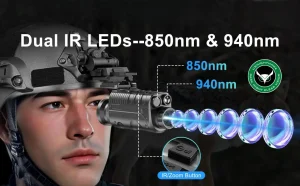
Many SAR operations happen at night or in low light. Binoculars with night vision can show clearer images in darkness. Low light lenses collect more light for better views at dawn or dusk.
- Infrared night vision helps see in complete darkness.
- High-quality lenses improve image brightness.
- Anti-reflective coatings reduce glare.
- Some models use digital enhancements.
Rangefinding And Gps Integration
Rangefinders measure distance to a target. GPS integration helps teams know their exact location. These features aid in planning and communicating during rescues.
| Feature | Benefit |
| Rangefinder | Measures exact distance to objects |
| GPS Integration | Provides location data for navigation |
| Combined Use | Helps coordinate with team members |
Eye Relief And Comfort
Comfort is important during long SAR missions. Eye relief is the distance your eyes can be from the binoculars and still see the full image. Proper eye relief reduces strain and helps users wear glasses.
- Long eye relief suits glasses wearers.
- Soft rubber eyecups add comfort.
- Adjustable focus prevents eye fatigue.
- Lightweight models reduce neck strain.
Expert Recommendations
Choosing the right size binoculars for search and rescue (SAR) teams is critical. The size affects usability, weight, and image clarity.
SAR teams need binoculars that balance power and field of view. This helps spot targets quickly over large areas.
Top Binocular Models For Sar
Many SAR teams prefer binoculars with 8x to 10x magnification. These sizes provide clear images without too much shake.
- 8×42 binoculars offer a wide field of view and bright images.
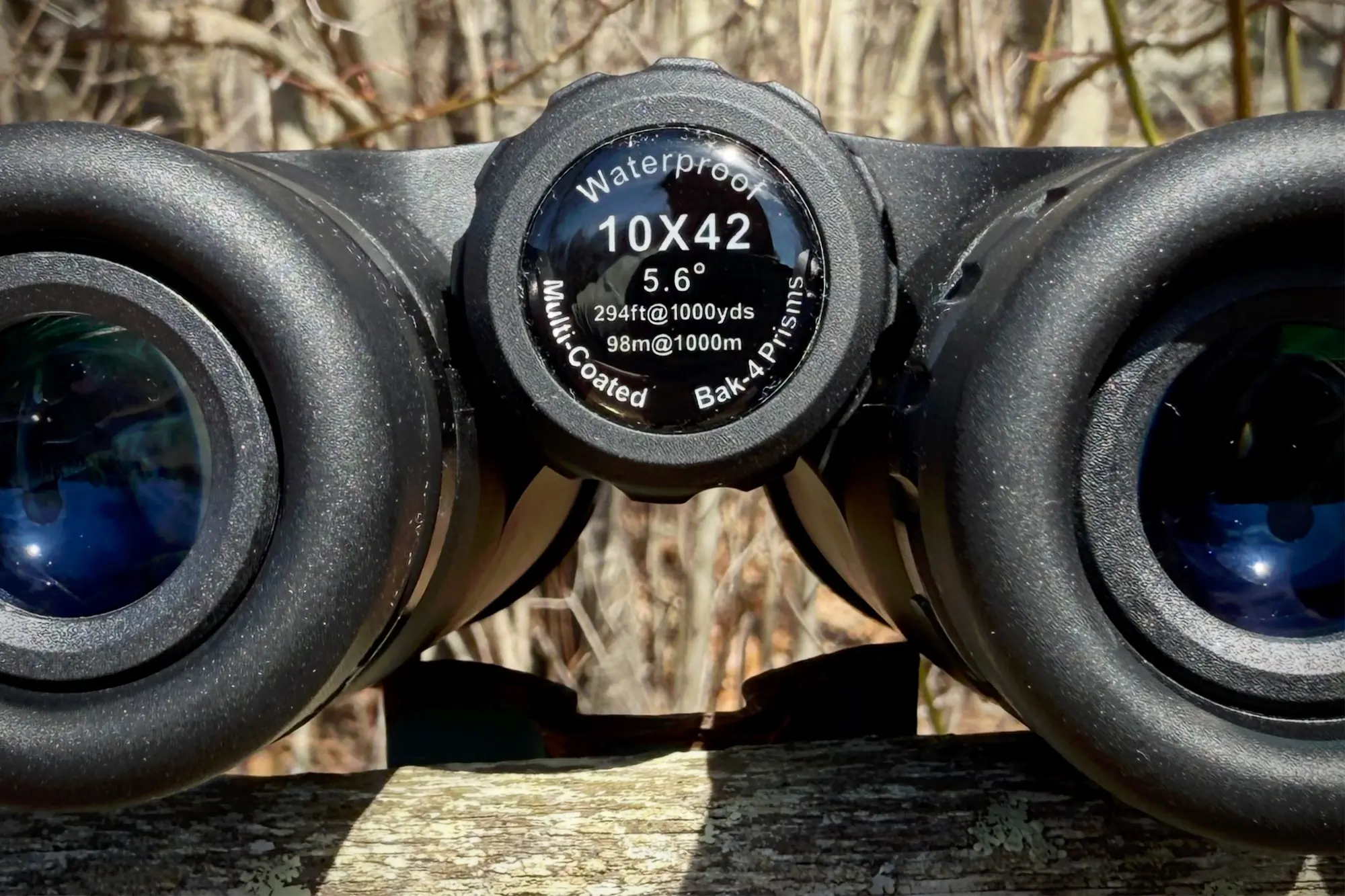
- 10×42 models give more detail but require steadier hands.
- Smaller 7×35 binoculars are lighter but have less zoom.
Balancing Performance And Budget
SAR teams need binoculars that perform well and fit the budget. Durability and lens quality matter most.
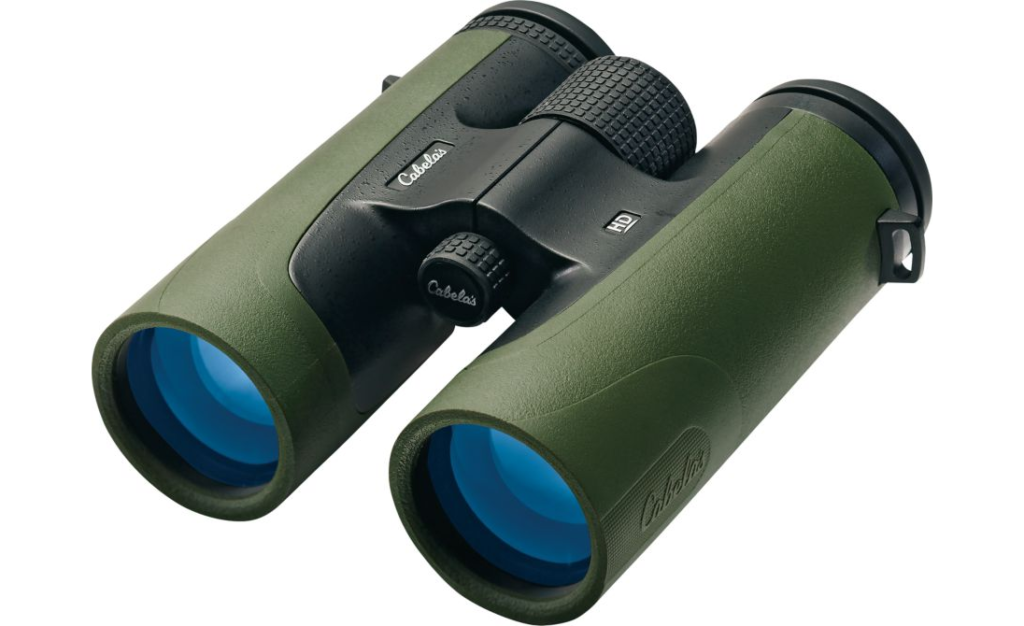
| Model | Magnification | Objective Lens (mm) | Weight (oz) | Price Range |
|---|---|---|---|---|
| Model A | 8x | 42 | 22 | $$ |
| Model B | 10x | 42 | 24 | $$$ |
| Model C | 7x | 35 | 18 | $ |
Credit: www.pewpewtactical.com
Maintenance Tips For Sar Binoculars
Search and Rescue (SAR) teams rely on binoculars to see far and clear. Keeping these tools in good shape is very important. Proper care helps binoculars work well in tough conditions.
Regular maintenance makes binoculars last longer. It also ensures clear vision during critical missions.
Clean The Lenses Carefully
Dirty lenses reduce visibility. Use a soft brush or air blower to remove dust first. Then, clean with a microfiber cloth and lens cleaner. Avoid using rough materials that can scratch the glass.
- Blow off loose dust gently
- Use lens cleaning solution sparingly
- Wipe lenses in a circular motion
Protect Binoculars From Moisture
Water can damage binoculars inside and out. After use in rain or wet areas, dry binoculars with a soft cloth. Store them in a dry place. Use silica gel packs in the case to absorb moisture.
- Wipe off water drops quickly
- Keep binoculars in sealed dry bags
- Replace silica gel packs often
Check And Tighten Moving Parts
Binoculars have focus wheels and hinges. These parts can become loose with use. Check them regularly. Tighten gently if needed. Avoid forcing parts to prevent damage.
- Test focus wheel smoothness
- Check hinge for proper tension
- Tighten screws with correct tools
Store Properly When Not In Use
Store binoculars in a case to protect them from dust and shocks. Keep them away from direct sunlight and heat. This prevents damage to lenses and body.
- Use padded storage cases
- Keep away from extreme temperatures
- Store in a clean, dry place
Avoid Touching Lenses With Fingers
Fingerprints leave oils that blur vision. Always handle binoculars by the body. If lenses get smudged, clean them with a lens cloth right away.
Credit: gearjunkie.com
Frequently Asked Questions
What Size Binoculars Work Best For Sar Teams?
Binoculars with 7×50 or 10×50 sizes are ideal for SAR teams. They provide clear images and good light gathering in low-light conditions. These sizes balance magnification and field of view, crucial for search and rescue operations.
Why Is Magnification Important In Sar Binoculars?
Magnification helps SAR teams see distant objects clearly. Too high magnification reduces the field of view and stability. A moderate magnification like 7x or 10x offers the best balance for effective searching.
How Does Objective Lens Size Affect Sar Binoculars?
Larger objective lenses gather more light, improving visibility in low-light. A 50mm lens is common in SAR binoculars for bright, clear images. This size ensures better performance during dawn, dusk, or night searches.
Are Compact Binoculars Suitable For Sar Operations?
Compact binoculars are lighter and easier to carry but may lack brightness. For SAR, durability and light-gathering ability are more critical. Full-size 7×50 or 10×50 binoculars are generally preferred for reliability.
Conclusion
Choosing the right binocular size helps SAR teams work better. Small binoculars are light and easy to carry. Larger ones give clearer and brighter views. A balance between size and power is key. Comfort and durability matter during long missions.
Pick binoculars that fit your team’s needs well. Good gear supports fast and safe rescues. The right binoculars make a big difference.