High humidity and fog pose serious challenges for monocular users, leading to fogged lenses, reduced visibility, and potential long-term damage. Understanding these issues helps you choose the right gear and take preventive steps to maintain performance in wet or misty conditions.
Key Takeaways
- Lens fogging is common in high humidity: Moisture condenses on cool lens surfaces, blocking your view and reducing image clarity.
- Internal fogging can damage monoculars: If moisture gets inside the housing, it can corrode internal components and ruin optics permanently.
- Image quality suffers in foggy conditions: Light scatters in dense air, making distant objects appear blurry or washed out.
- Sealed and nitrogen-purged monoculars resist moisture: Look for waterproof and fog-proof features when buying optics for humid environments.
- Proper storage prevents long-term damage: Always dry and store monoculars in a dry place to avoid mold and corrosion.
- Anti-fog coatings help but aren’t foolproof: They reduce fogging but work best when combined with good handling habits.
- Regular maintenance extends monocular life: Clean lenses gently and check seals to ensure lasting performance in tough weather.
📑 Table of Contents
- Introduction: Why Humidity and Fog Matter for Monocular Users
- How High Humidity Affects Monocular Performance
- Fog: A Double Threat to Visibility and Optics
- Internal Fogging: The Hidden Danger
- Choosing the Right Monocular for Humid or Foggy Conditions
- Tips for Using and Maintaining Monoculars in High Humidity
- Conclusion: Stay Clear in Any Weather
Introduction: Why Humidity and Fog Matter for Monocular Users
If you’ve ever stepped outside on a foggy morning with your monocular only to find the lens covered in a fine mist, you know how frustrating high humidity can be. Whether you’re birdwatching in a coastal forest, hiking through mountain fog, or scouting game in a damp field, moisture in the air can quickly turn a promising outing into a blurry disappointment. High humidity and fog don’t just affect visibility—they can seriously impact the performance and lifespan of your monocular.
Monoculars, like all optical devices, are sensitive to environmental conditions. While they’re built to handle some exposure to the elements, prolonged or repeated exposure to moisture can lead to problems that go beyond temporary fogging. From internal corrosion to permanent lens damage, the risks are real. Understanding how humidity and fog affect your monocular is the first step in protecting your investment and ensuring clear, reliable views no matter the weather.
How High Humidity Affects Monocular Performance
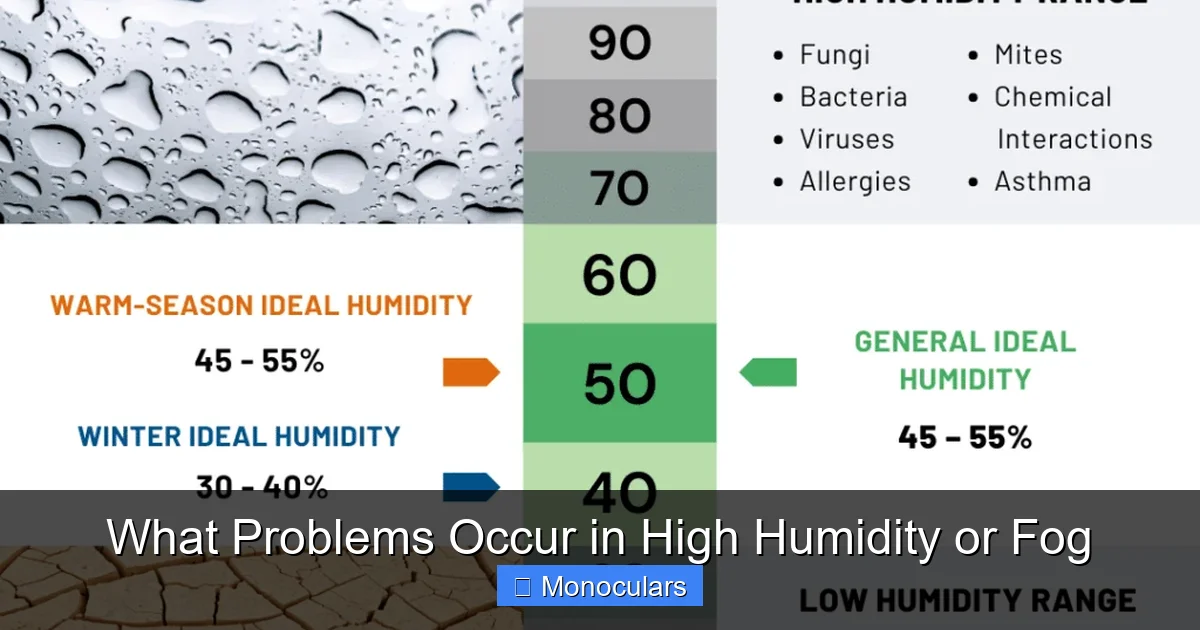
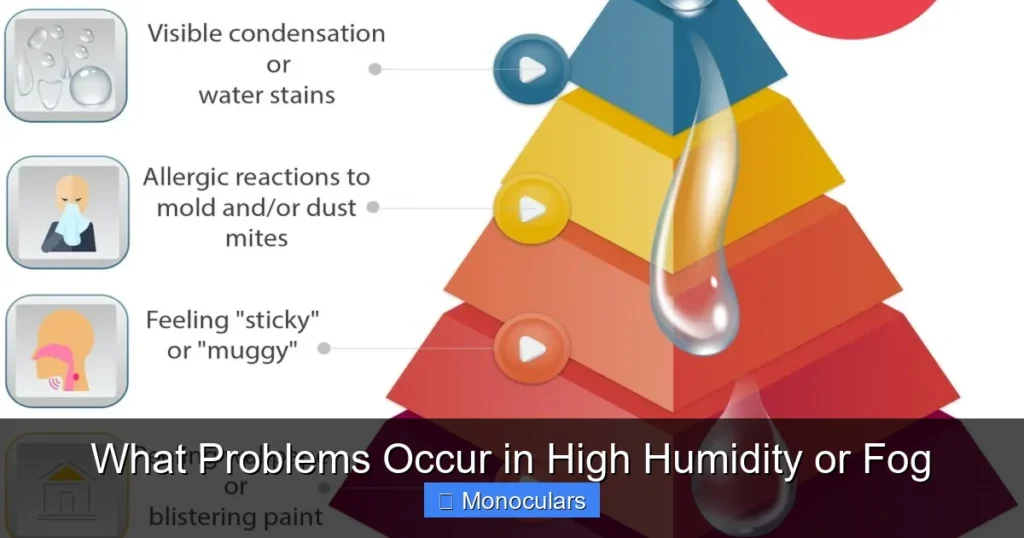
Visual guide about What Problems Occur in High Humidity or Fog
Image source: watkinsheating.com
High humidity means there’s a lot of water vapor in the air. When that warm, moist air meets the cooler surface of your monocular—especially after being stored indoors—condensation forms. This is the same process that causes your bathroom mirror to fog up after a hot shower. On a monocular, this fogging blocks light and distorts images, making it nearly impossible to see clearly.
Even if the lens doesn’t fog up immediately, high humidity can still degrade performance. Water vapor can scatter light, reducing contrast and sharpness. You might notice that distant objects appear hazy or lack detail, even when the lens looks clean. This effect is especially noticeable in dense forests or near bodies of water, where humidity levels stay high for long periods.
The Science Behind Condensation
Condensation happens when the temperature of a surface drops below the dew point—the point at which air can no longer hold all its moisture. For example, if you take a monocular from an air-conditioned car into a humid forest, the sudden temperature change can cause moisture to form on the lenses almost instantly. This isn’t just annoying—it can also lead to water droplets seeping into tiny gaps in the housing if the seals aren’t perfect.
Impact on Image Clarity
Even a thin layer of moisture on the lens can scatter light, reducing brightness and contrast. You might see a “halo” effect around bright objects or notice that colors appear dull. In extreme cases, the entire field of view can look like it’s behind a veil. This makes it hard to identify birds, track animals, or spot landmarks—exactly when you need your monocular the most.
Fog: A Double Threat to Visibility and Optics
Fog is essentially a cloud at ground level, made up of tiny water droplets suspended in the air. While it creates a moody, atmospheric scene, it’s a nightmare for optical clarity. When you’re using a monocular in foggy conditions, you’re not just dealing with moisture on the lens—you’re also fighting reduced visibility due to light scattering.
Fog scatters light in all directions, which means less light reaches your eye through the monocular. This reduces brightness and makes distant objects harder to see. Even high-quality optics can’t fully overcome this physical limitation. The result? Blurry, low-contrast images that leave you guessing.
Why Fog Reduces Effective Range
In clear conditions, a monocular might let you see clearly up to 500 yards. But in dense fog, that range can drop to just 50 yards or less. This is because the water droplets in fog absorb and scatter light, acting like a natural filter. No amount of magnification can compensate for this loss of clarity. You might zoom in on what looks like a deer, only to realize it’s a tree stump.
Fog and Lens Coatings
Many monoculars come with anti-reflective and water-repellent coatings to improve performance. While these help, they aren’t magic. In heavy fog, even the best coatings can’t prevent moisture from clinging to the lens. And if the coating is worn or damaged—from improper cleaning or rough handling—it becomes even less effective.
Internal Fogging: The Hidden Danger
One of the most serious problems caused by high humidity is internal fogging. This happens when moisture gets inside the monocular’s housing and condenses on the internal lenses or prisms. Unlike external fogging, which you can wipe off, internal fogging is much harder to fix—and can be permanent.
Internal fogging usually occurs when there’s a temperature change or a breach in the seals. For example, if you take your monocular from a cold car into a warm, humid room, moisture can enter through tiny gaps and condense inside. Over time, this can lead to mold growth, corrosion of metal parts, and fogging that never clears up—even when the outside is dry.
Signs of Internal Fogging
If you notice a persistent haze inside your monocular, even after cleaning the exterior lenses, it’s likely internal fogging. You might also see water droplets or mineral deposits when you tilt the device. In severe cases, the image may appear distorted or dim, no matter how much you adjust the focus.
Preventing Internal Damage
The best defense against internal fogging is choosing a monocular that’s truly fog-proof. Look for models that are nitrogen-purged or filled with dry inert gas like argon. This process removes moisture and oxygen from inside the housing, preventing condensation. Always check the product description for terms like “nitrogen-filled” or “fog-proof” to ensure you’re getting a sealed optic.
Choosing the Right Monocular for Humid or Foggy Conditions
Not all monoculars are created equal when it comes to handling moisture. If you plan to use your monocular in humid or foggy environments, it’s worth investing in a model designed to resist these challenges. Here’s what to look for:
Waterproof and Fog-Proof Construction
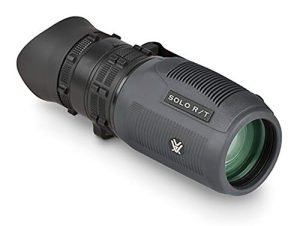
A truly waterproof monocular can withstand submersion in water for short periods. This level of protection usually means O-ring seals and robust housing. Combined with nitrogen purging, these features prevent both water ingress and internal fogging. Brands like Vortex, Bushnell, and Leupold offer high-quality options with these specs.
Anti-Fog Coatings
Some monoculars come with special lens coatings that repel water and reduce fogging. These coatings cause water to bead up and roll off rather than spread into a film. While not a complete solution, they can significantly reduce the frequency and severity of fogging, especially during quick temperature changes.
Build Quality and Materials
Monoculars made from magnesium alloy or high-grade polymers are more resistant to corrosion and temperature changes. Rubber armor can also help by providing insulation and grip, reducing the chance of dropping the device in wet conditions. Avoid cheap plastic models—they’re more likely to warp or crack, creating entry points for moisture.
Tips for Using and Maintaining Monoculars in High Humidity
Even the best monocular needs proper care to perform well in tough conditions. Here are some practical tips to keep your optics clear and functional:
Allow for Temperature Acclimation
When moving between environments with big temperature differences—like from a cold car to a warm, humid forest—give your monocular time to adjust. Leave it in the bag for 10–15 minutes before using it. This reduces the chance of sudden condensation.
Use Lens Caps and a Protective Case
Always use the lens caps that come with your monocular. They protect the lenses from moisture, dust, and scratches. Store the monocular in a padded case when not in use, preferably with a desiccant pack to absorb any trapped moisture.
Clean Lenses Properly
Use a microfiber cloth designed for optics—never paper towels or clothing, which can scratch the lens. For stubborn moisture, use a lens cleaning solution made for optics. Blow away dust with a air blower before wiping to avoid grinding particles into the glass.
Inspect Seals Regularly
Check the O-rings and seals around the eyepiece and objective lens for cracks or wear. If you notice damage, have the monocular serviced or consider replacing it. A compromised seal is an open invitation for moisture.
Store in a Dry Place
After use in humid conditions, wipe down the monocular and store it in a dry, temperature-stable environment. Avoid leaving it in a car, garage, or basement where humidity can build up. A closet with a dehumidifier is ideal.
Conclusion: Stay Clear in Any Weather
High humidity and fog are more than just weather inconveniences—they’re real threats to your monocular’s performance and longevity. From lens fogging to internal damage, the problems can range from annoying to irreversible. But with the right knowledge and gear, you can minimize these risks and enjoy clear, reliable views no matter the conditions.
Choosing a fog-proof, waterproof monocular with quality seals and coatings is your first line of defense. Pair that with smart habits—like allowing acclimation, proper cleaning, and careful storage—and you’ll keep your optics in top shape for years. Whether you’re exploring misty coastlines or trekking through mountain fog, your monocular can be a trusted companion—as long as you treat it right.
Frequently Asked Questions
Can high humidity permanently damage my monocular?
Yes, if moisture gets inside the housing and causes internal fogging, it can lead to mold, corrosion, and permanent image distortion. Proper sealing and storage help prevent this.
How do I know if my monocular is truly fog-proof?
Look for terms like “99999-proof” or “nitrogen-purged” in the product description. These indicate the device is sealed and filled with dry gas to prevent internal condensation.
Can I fix internal fogging in my monocular?
In most cases, no. Internal fogging usually means the seals have failed, and the device needs professional repair or replacement. Prevention is key.
Do anti-fog sprays work on monocular lenses?
Some sprays can help reduce external fogging, but avoid applying them directly to coated lenses. Always test on a small area first and use products designed for optics.
Should I leave my monocular in the car on humid days?
No. Cars can get very hot and humid, increasing the risk of condensation and seal damage. Store your monocular in a cool, dry place instead.
Can I use a hair dryer to dry a fogged monocular?
No. High heat can damage lens coatings and warp plastic parts. Let the monocular acclimate naturally or use a soft, dry cloth for external moisture.