If you love birdwatching, you know how important your binoculars are. They bring every feather and color into sharp focus, making each sighting unforgettable.
But have you ever thought about what your binoculars need to stay in top shape? Proper maintenance can make a big difference in how well your binoculars perform and how long they last. You’ll discover simple, effective ways to care for your birding binoculars.
Keep reading to learn easy tips that will help you enjoy clearer views and protect your gear for years to come.
Cleaning Techniques
Keep lenses cleanby using a soft brush or air blower. This removes dust without scratching.
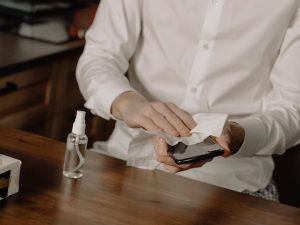
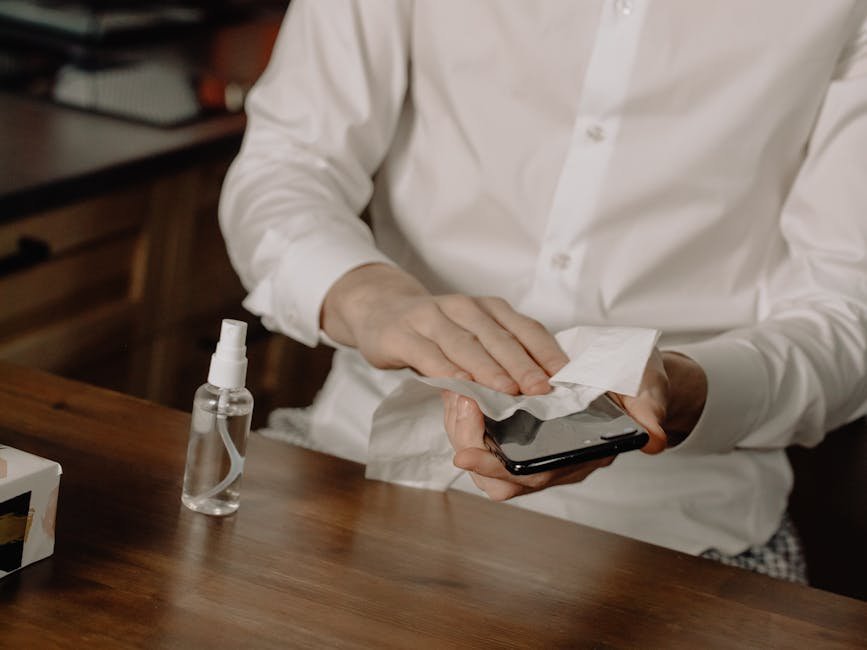
Use a lens cleaning clothmade of microfiber to gently wipe the surface. Avoid tissues or rough fabrics.
For stubborn smudges, apply a small amount of lens cleaning solutionto the cloth, not directly on the lens.
Clean the outer body with a damp cloth. Avoid water near moving parts or inside the binoculars.
Remove dirt and sweat to keep the binoculars in good shape and prevent damage.
- Store binoculars in a dry place after cleaning.
- Always use lens covers when not in use.
- Handle with clean hands to reduce oil transfer.
Storage Tips
Birding binoculars need dry and cool placesfor storage. Keeping them in a humid areacan cause mold and damage lenses. A dehumidifier packinside the case helps absorb moisture.
Use a hard or padded protective caseto shield binoculars from dust and shocks. The case stops scratches and keeps the binoculars clean. Always close lens caps before storing.
- Store binoculars in a dry room.
- Use silica gel packs for moisture control.
- Choose a case with soft lining.
- Keep lens covers on when not in use.
- Check for mold or dirt regularly.
Regular Inspection
Regularly examine your binoculars for any visible damage. Look for cracks, scratches, or loose parts. Check the lenses carefully to ensure they are free from chips or deep scratches. Small damage can affect the view and may get worse over time.
Test the binoculars’ functionalityby focusing on objects at different distances. Make sure the focus wheel moves smoothly without sticking. Check if both eyepieces give a clear, sharp image. If images look blurry or uneven, adjustments may be needed.
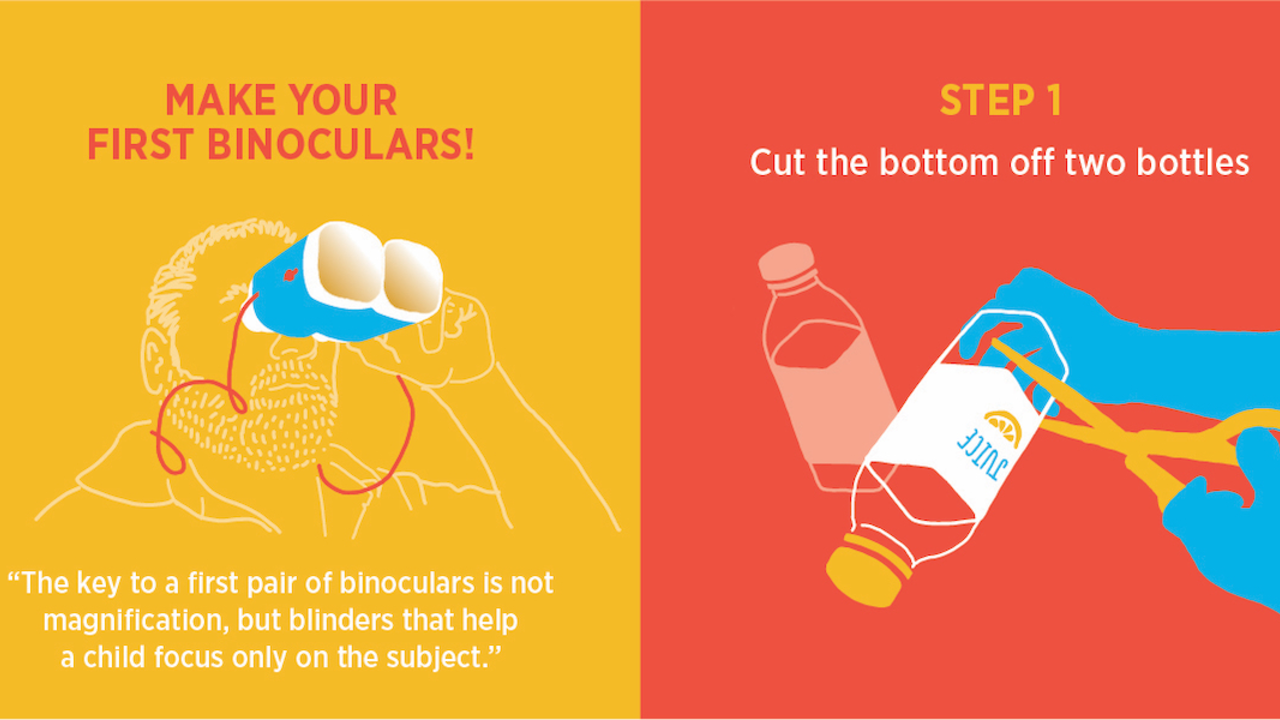
Credit: www.parksconservancy.org
Handling Practices
Birding binoculars need careful handling to last long. Always hold them firmly to avoid accidental drops. Drops can cause lens misalignmentor damageto internal parts.
A proper grip is key. Use both hands to hold binoculars steadily. Wrap your fingers around the body and place thumbs underneath for support. This helps keep binoculars steady and safeduring use.
- Hold binoculars close to your body for extra stability.
- Avoid holding them by the eyepieces or lenses.
- Use a neck strap or harness to prevent falls.
Environmental Considerations
Birding binoculars need weather protectionto last long. Rain and moisture can harm lenses and metal parts. Use a waterproof coveror case when outside. Wipe off any water drops quickly with a soft cloth. Avoid leaving binoculars in wet places.
Temperature extremescan also cause problems. Very cold weather can make lenses fog up inside. Heat can damage lenses and rubber parts. Store binoculars at room temperature when not in use. Sudden temperature changes may cause condensation, so let them adjust slowly.

Credit: www.bushnell.com
Professional Servicing
Professional servicing is needed if binoculars show signs of damage. Cracks, fogging inside lenses, or loose parts require expert care. Experts have special tools to fix and clean binoculars deeply.
Benefits of professional care include longer binocular life and clearer vision. Experts can adjust lenses for sharp focus. They also check seals to keep moisture out. This helps maintain the binoculars’ quality and performance over time.
:max_bytes(150000):strip_icc()/tal-athlon-optics-8x42-midas-uhd-binoculars-signe-bamsey-ben-wanamaker-09-1-8caa644274c046f78e4cc47a08bb9750.jpeg)
Credit: www.travelandleisure.com
Frequently Asked Questions
How Often Should I Clean Birding Binoculars?
Clean your binoculars after every use or when visibly dirty. Use a soft brush or microfiber cloth to remove dust. Avoid harsh chemicals to protect lenses and coatings. Regular cleaning maintains clear vision and extends binocular lifespan.
What Is The Best Way To Store Binoculars?
Store binoculars in a dry, cool place away from direct sunlight. Use a protective case to prevent dust and damage. Avoid extreme temperatures and humidity to preserve lens coatings and internal parts. Proper storage keeps binoculars in optimal condition.
Can I Use Water To Clean Binocular Lenses?
Use distilled water sparingly to clean lenses if needed. Avoid tap water, as it may contain minerals that can damage coatings. Always dry lenses with a clean microfiber cloth to avoid scratches. Gentle cleaning ensures clear and sharp views.
How Do I Protect Binoculars From Fogging?
Use anti-fog lens coatings or apply anti-fog solutions for protection. Store binoculars in a dry environment and avoid sudden temperature changes. Keeping lenses dry and clean reduces fogging during birding trips.
Conclusion
Regular cleaning and careful storage keep birding binoculars sharp and ready. Avoid harsh chemicals and use soft cloths to protect lenses. Check for loose parts and tighten them gently. Dry binoculars thoroughly after outdoor use. Small steps prevent damage and extend their life.
Enjoy clear views and better birdwatching every time. Maintenance is simple but important for long-term use. Take care, and your binoculars will serve you well.