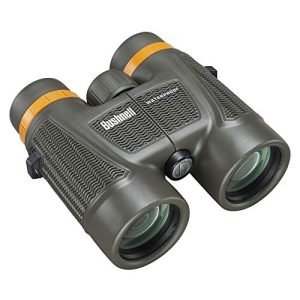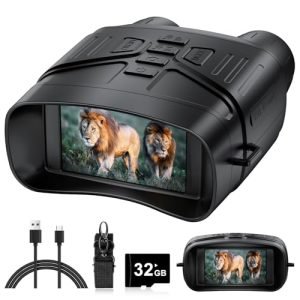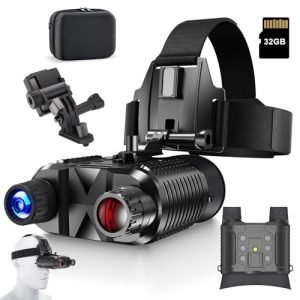
When it comes to choosing surveillance binoculars, one question often stops you in your tracks: what magnification is best? Picking the wrong magnification can leave you frustrated with blurry images or a shaky view.
But get it right, and you’ll have a clear, steady look at what matters most—whether it’s for security, wildlife watching, or keeping an eye on distant events. You’ll discover exactly how to find the perfect magnification that fits your needs and makes your surveillance sharper and easier than ever before.
Keep reading, because the right choice can change everything.
Credit: www.popsci.com
Choosing The Right Magnification
Magnification is a key feature in surveillance binoculars. It helps you see distant objects clearly. Choosing the right magnification is important for effective observation.
Too much magnification can make the image shaky. Too little may not show enough detail. This guide explains common magnification levels and how to balance zoom and stability.
Common Magnification Levels
Surveillance binoculars usually have magnifications between 6x and 20x. Lower magnifications give a wider view. Higher magnifications bring objects closer but narrow the view.
Here are common magnification levels and their uses:
- 6x to 8x: Good for wide-area scanning and easier to hold steady.
- 10x to 12x: Offers a good balance of detail and stability.
- 15x to 20x: Best for distant viewing but can be hard to keep steady.
Balancing Zoom And Stability
Higher magnification zooms in more but also increases shaking. This makes images blurry unless you use a tripod or have very steady hands.
Lower magnification binoculars are easier to hold and give a stable image. They work better for long surveillance sessions without extra support.
- Use 6x to 8x for quick, stable viewing without a tripod.
- Choose 10x to 12x for a good mix of detail and ease of use.
- Pick 15x or higher only if you have a tripod or steady mounting.
Factors Affecting Magnification Choice
Choosing the right magnification for surveillance binoculars is important. It helps you see the details you need clearly.
Several factors affect which magnification works best. Understanding these can improve your viewing experience.
Distance To Target
The distance between you and the target matters a lot. Higher magnification helps when the target is far away.
For close targets, lower magnification gives a clearer and steadier image. For very far targets, higher power shows more detail but can be shakier.
- Short distance: 6x to 8x magnification
- Medium distance: 8x to 12x magnification
- Long distance: 12x or higher magnification
Lighting Conditions
Light levels affect how well you see through binoculars. Higher magnification needs more light to work well.
In low light, lower magnification is better. It lets more light in, making the image brighter and clearer.
- Bright daylight: higher magnification works fine
- Dusk or dawn: medium magnification is better
- Night or low light: low magnification is best
Field Of View
Field of view means how wide the area you can see is. Higher magnification usually means a smaller field of view.
A wider field of view helps you find and follow moving targets easier. Lower magnification gives a wider view.
- Low magnification: wide field of view, easier tracking
- High magnification: narrow field of view, more detail
- Balance field of view with detail you need
Advantages Of Low Magnification
Low magnification binoculars are often better for surveillance. They help you see a larger area at once. This makes it easier to watch moving targets.
Using low magnification also means less shaking. This helps keep your view steady and clear for longer periods.
Wider Field Of View
Low magnification binoculars show more space in one glance. This means you can spot things faster. A wide view helps you track objects without moving the binoculars too much.
With a wider field of view, you miss fewer details. This is important during surveillance to keep track of all activities.
- See more area without moving your head
- Track fast-moving objects easily
- Spot changes in surroundings quickly
Easier Image Stabilization
Low magnification reduces the effect of hand shake. This keeps your image steady and clear. You do not need extra equipment to stabilize the view.
When magnification is high, small movements become large on the image. This makes it hard to focus and follow targets.
- Less image shake with natural hand holding
- Clearer view for longer times
- Better for long observation sessions
Benefits Of High Magnification
High magnification binoculars help you see small details far away. They make distant objects clear and easy to study. This is important for surveillance tasks that need sharp focus.
Using binoculars with strong zoom lets you watch without getting too close. It keeps you safe and hidden while observing your target.
Detailed Observation
High magnification binoculars allow for clear views of tiny details. You can see facial features, license plates, or small movements. This accuracy helps in identifying people or objects from a distance.
- See fine details clearly
- Identify objects or people
- Monitor subtle movements
- Improve decision making with sharp images
Long-range Surveillance
Strong magnification makes watching over long distances easier. It helps you stay far away from the area you watch. This reduces the risk of being noticed.
| Magnification Level | Effective Range (meters) | Use Case |
| 10x | 100-300 | Short to medium distance |
| 15x | 300-600 | Medium to long distance |
| 20x and above | 600+ | Long distance surveillance |
Optimal Magnification For Different Scenarios
Choosing the right magnification for surveillance binoculars depends on the setting. Different scenarios need different power levels to see clearly.
This guide covers urban surveillance, wildlife monitoring, and security patrols. Each has its own ideal magnification range.
Urban Surveillance
In cities, you need binoculars that balance power and ease of use. Too much magnification makes it hard to keep the image steady.
- 5x to 8x magnification is best for clear views without shaking.
- Wide field of view helps to see more area at once.
- Compact size aids quick movement and handling.
Wildlife Monitoring
Watching animals needs more power to see details from a distance. Stability and brightness also matter outdoors.
| Magnification | Use Case | Benefit |
| 8x to 12x | General wildlife viewing | Good detail and steady image |
| 12x to 16x | Distant or small animals | Clear close-up view |
| Above 16x | Long-distance spotting | Requires tripod or support |
Security Patrols
Security needs binoculars that work well in various lighting and distances. Quick focus and durability are key.
- 7x to 10x magnification for clear identification
- Waterproof and fog-proof for all weather
- Night vision or low-light support if needed

Credit: www.yahoo.com
Additional Features To Enhance Surveillance
Choosing the right magnification for surveillance binoculars is important. Additional features can improve your viewing experience. These features help with clarity and comfort.
This section covers three key features: image stabilization, night vision compatibility, and durability. Each feature adds value to surveillance tasks.
Image Stabilization Technology
Image stabilization reduces shake and blur in binoculars. This is useful at higher magnifications. It helps keep the image steady for long periods.
- Minimizes hand tremor effects
- Improves clarity on moving targets
- Makes long surveillance easier
- Works well in low light conditions
Night Vision Compatibility
Night vision allows you to see in low light or darkness. Some binoculars support night vision attachments. This feature extends surveillance time beyond daylight.
| Type | Feature | Benefit |
| Digital Night Vision | Uses sensors and screens | Clear images in dark areas |
| Infrared Night Vision | Detects heat signatures | See living targets at night |
| Compatible Binoculars | Can attach night vision modules | Versatile for day and night use |
Durability And Weather Resistance
Durable binoculars last longer in tough conditions. Weather resistance protects against rain and dust. These features are essential for outdoor surveillance.
- Waterproof sealing to prevent moisture entry
- Shockproof design to handle drops and bumps
- Fog-proof lenses to maintain clear vision
- Rubber armor coating for better grip
Tips For Using Surveillance Binoculars Effectively
Choosing the right magnification for surveillance binoculars is important for clear viewing. Using binoculars properly helps you see details from far away. This guide shares tips to handle and care for your binoculars well.
Good habits protect your binoculars and improve your viewing experience. Follow these tips to get the best results during surveillance.
Proper Handling Techniques
Hold your binoculars steady to avoid blurry images. Use both hands and support your elbows on a stable surface if possible. Avoid shaking or sudden movements while looking through them.
- Use a neck strap to reduce hand fatigue
- Adjust the focus slowly and carefully
- Keep the lenses pointed away from direct sunlight
- Do not touch the lenses with your fingers
- Store binoculars in a padded case when not in use
Maintenance And Care
Regular cleaning and proper storage extend the life of your binoculars. Dirt and moisture can damage the lenses and mechanics inside.
| Task | How Often | Tips |
| Clean lenses | After each use | Use a soft microfiber cloth |
| Check for dust inside | Monthly | Send to a professional if needed |
| Store in dry place | Always | Use silica gel packs to reduce moisture |
| Inspect straps and casing | Monthly | Replace if worn out |
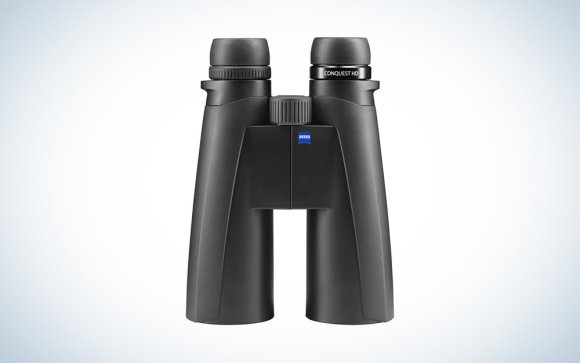
Credit: www.popsci.com
Frequently Asked Questions
What Magnification Is Ideal For Surveillance Binoculars?
The ideal magnification for surveillance binoculars is typically between 7x and 10x. This range offers a balanced view, providing clear images without excessive shakiness or narrow field of view, which is crucial for effective monitoring and observation.
Why Not Use Higher Magnification For Surveillance?
Higher magnification can cause image shakiness and reduce the field of view. It makes tracking moving objects harder and can strain the eyes, making it less practical for long surveillance sessions.
How Does Magnification Affect Image Stability?
Increased magnification amplifies hand movements, causing image instability. Lower magnification provides a steadier image, which is essential for accurate and comfortable surveillance over extended periods.
Can Magnification Impact Night Surveillance Quality?
Yes, higher magnification often reduces brightness and clarity in low light. Moderate magnification helps maintain a brighter, clearer image during night surveillance tasks.
Conclusion
Choosing the right magnification for surveillance binoculars is crucial. It balances clarity and field of view. Higher magnification gives more detail but narrows the view. Lower magnification offers a broader field but less detail. Consider your specific needs and environment.
For wide areas, lower magnification is often better. For distant details, higher magnification works well. Always test different options before deciding. The right choice enhances your surveillance experience. Remember, comfort and ease of use matter too. Happy viewing!